Cramer backs Palo Alto Networks and CrowdStrike over SentinelOne on scale
The Mad Money host favours the larger cybersecurity firms, citing superior scale and financial momentum compared with SentinelOne.
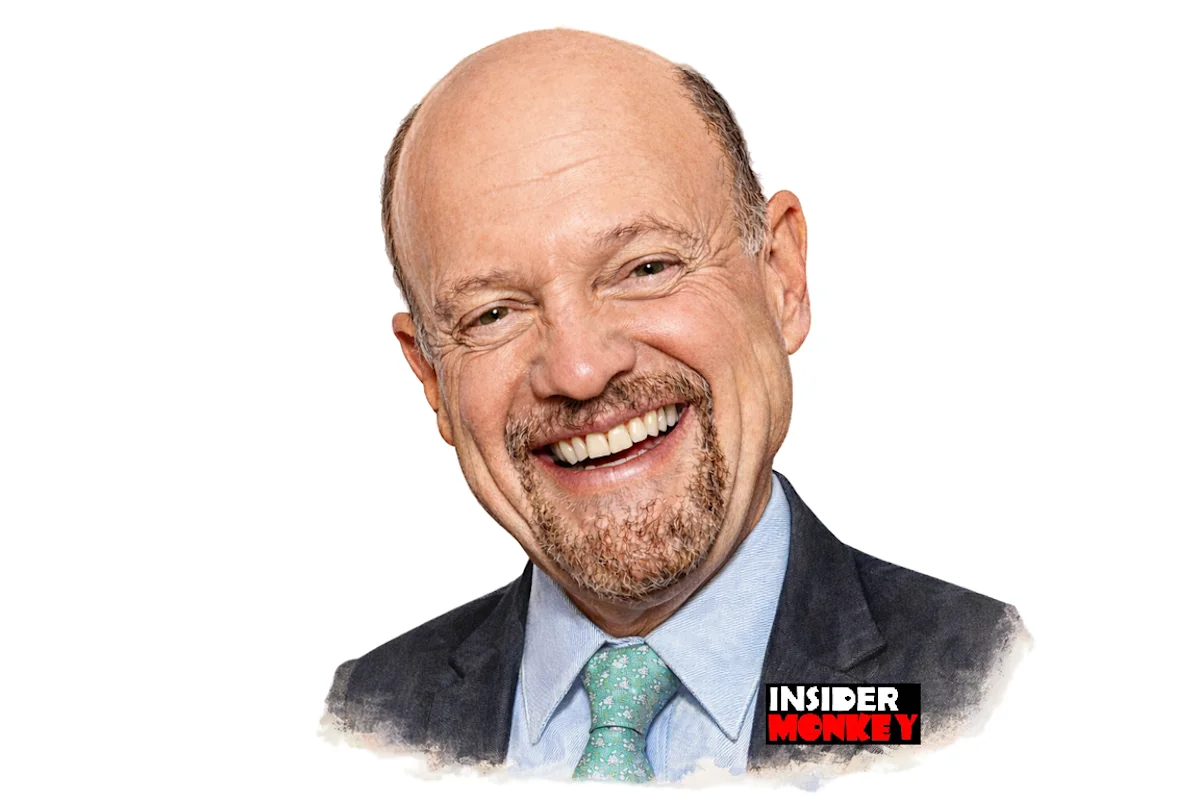
Jim Cramer, host of the financial television programme Mad Money, has expressed a clear preference for Palo Alto Networks and CrowdStrike over SentinelOne. Speaking during a lightning round on 14 September, Cramer noted that his charitable trust holds shares in both Palo Alto Networks and CrowdStrike, stating that either company is superior to SentinelOne. His assessment centres on the significant disparity in scale between the market leaders and the smaller competitor.
The recent financial results underscore this difference in magnitude. Palo Alto Networks reported revenue of $3.41 billion for its fiscal fourth quarter of 2026, a 34 per cent increase year over year. In contrast, SentinelOne reported revenue of $292 million for its fiscal second quarter of 2027, representing a 21 per cent rise. While both companies are growing, the gap in absolute revenue highlights the structural advantage of the larger platforms.
Profitability metrics reveal distinct challenges for each firm. SentinelOne’s non-GAAP operating margin improved to 10 per cent in the latest quarter, up from 2 per cent a year earlier. However, the company continues to struggle with GAAP profitability, with its operating margin remaining negative at 31 per cent. The primary bear case for SentinelOne is the difficulty in converting non-GAAP improvements into positive GAAP results amidst a fragmented and competitive market.
Palo Alto Networks faces a different set of pressures, primarily related to margin compression as it expands its platform. The company reported approximately $1 billion in non-GAAP operating income for its fiscal fourth quarter of 2026, up from $768 million in the same period last year. Despite this growth, total gross margin fell to 70.4 per cent from 73.4 per cent, driven by higher amortisation of intangible assets from acquisitions and increased costs associated with cloud-based offerings.
Institutional interest in both stocks remains robust, according to tracking data from Insider Monkey. In the second quarter of 2026, 41 hedge funds held SentinelOne shares, an increase from 37 in the previous quarter. Palo Alto Networks was held by 89 hedge funds, up from 87. Short interest levels are relatively low, standing at 5.5 per cent of the public float for SentinelOne and approximately 2.7 per cent for Palo Alto Networks.
The divergence in financial trajectories suggests that while SentinelOne is working to stabilise its GAAP margins, Palo Alto Networks is managing the costs of operating a broader, more complex platform. For investors, the choice between the two appears to hinge on a preference for scale and established market position versus the potential for growth in a smaller, rapidly evolving player.