Coyote vs. Acme release highlights Warner Bros. Discovery’s tax write-off controversy
As the movie hits cinemas on August 28, its success and critical reception will primarily benefit Ketchup Entertainment, while the drama surrounding its development underscores ongoing tensions at Warner Bros. Discovery.
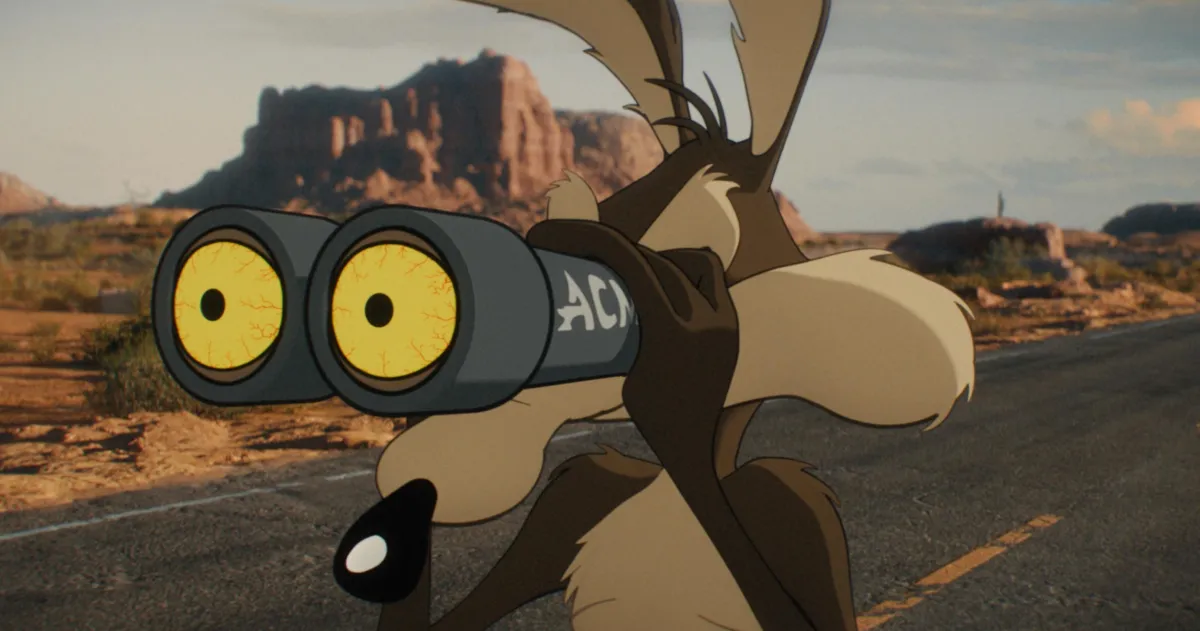
The live-action and animated film Coyote vs. Acme is scheduled for theatrical release on August 28, marking a significant shift in the distribution landscape for Warner Bros. Discovery (WBD). Distributed by Ketchup Entertainment, the film follows Wile E. Coyote as he sues the Acme Corporation for faulty products in a world where cartoon characters and humans coexist. Its release coincides with heightened criticism of WBD CEO David Zaslav, who previously attempted to shelve the project to utilise tax write-offs.
The drama surrounding the film’s path to release has contributed to its current popularity and audience interest. According to The Verge, the controversy surrounding the film’s fraught journey is part of what makes it an enjoyable watch. By trying to shelve the project, WBD drew attention to its habit of disappearing nearly completed movies to cash in on tax write-offs, a practice that has drawn scrutiny from investors and critics alike.
Coyote vs. Acme features a script by James Gunn, Jeremy Slater, and Samy Burch, and stars Will Forte, John Cena, and Lana Condor. The movie includes meta-commentary on corporate behaviour, with Acme Corporation portrayed as a cross between WBD, Apple, Tesla, and Lockheed Martin. Eric Bauza voices Foghorn Leghorn as the leader of Acme, a role interpreted as a jab at WBD executives.
Ketchup Entertainment holds the distribution rights, meaning any box office success or streaming placement will be attributed to them rather than WBD. The film is described as leaning into absurdity and traditional Looney Tunes gags rather than offering a riveting narrative. Its generally positive reviews suggest it is one of the best Looney Tunes movies in years, though previous WBD Looney Tunes projects have shown modest box office performance.
The film is loosely based on Ian Frazier’s Coyote v. Acme piece published in The New Yorker. It blends traditional animation with live-action footage, creating a world where ordinary drudgery meets cartoonish antics. As WBD navigates a potential merger with Paramount, the release of Coyote vs. Acme serves as a reminder of the studio’s previous reluctance to bring the project to market, highlighting the disconnect between executive decision-making and creative output.