Coral record points to stronger El Niño events in modern era
A study of Galápagos corals indicates El Niño events have been markedly stronger than during the pre-industrial period, while scientists caution that the evidence is incomplete and regionally limited.
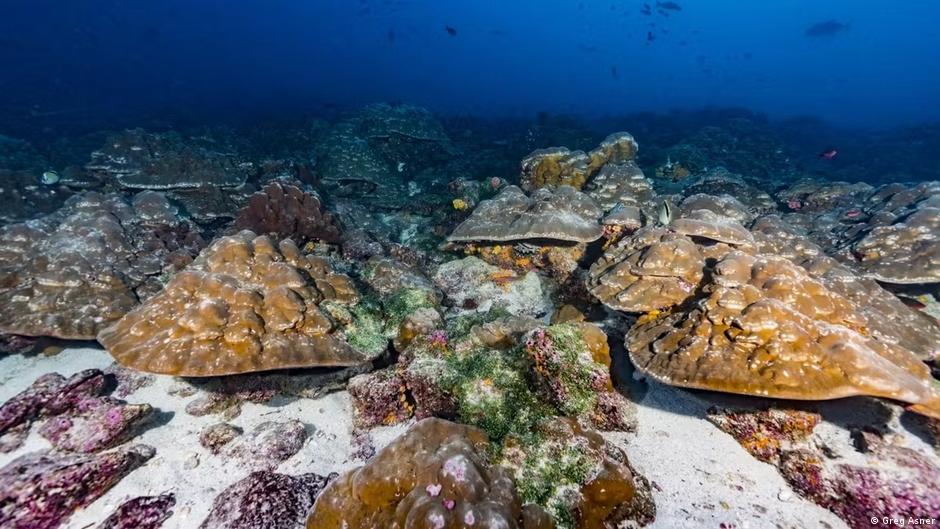
Researchers from the University of Michigan reconstructed roughly 1,000 years of ocean temperatures using fossilised and living corals around the Galápagos Islands. Their findings indicate that recent El Niño events were markedly stronger than those recorded before industrialisation.
The study, published in Science, uses chemical signals preserved in coral skeletons to track changes in ocean temperature. Direct ocean-temperature records are considered reliable mainly from the 1980s, leaving limited evidence for comparing modern El Niño events with the pre-industrial era.
The findings are consistent with climate-model projections of a higher likelihood of extreme eastern Pacific El Niño events in the 2030s, according to the Max Planck Institute for Meteorology. But the study does not establish that climate change has caused stronger El Niño events, an issue scientists say remains under active research.
The coral record covers slightly less than half of the years in the past millennium and is concentrated in the eastern Pacific. Scientists have cautioned that local conditions can complicate comparisons with modern instrumental measurements.
El Niño typically occurs every two to seven years and can temporarily lift global temperatures. It can bring heavy rain and flooding to Ecuador and Peru, while contributing to drought and fire conditions in Australia and Indonesia. Prolonged ocean warming associated with the pattern can also trigger coral bleaching and coral death.