Coordinated Israeli airstrike campaign kills 361 in Lebanon's deadliest day
Lebanese authorities confirm at least 361 deaths and over 1,000 injuries as Israel claims to have neutralised 250 operatives
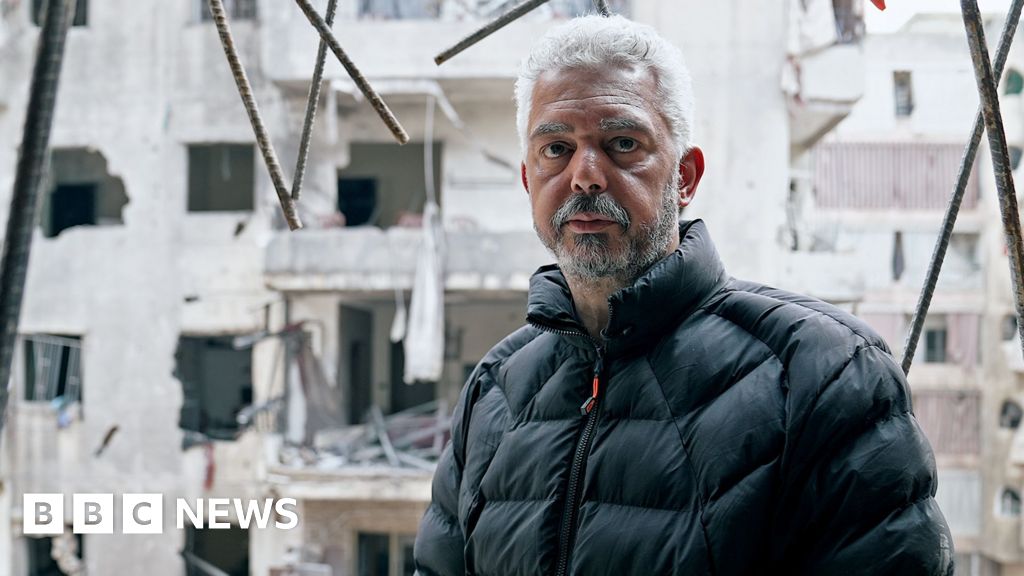
Israel launched a coordinated airstrike campaign across Lebanon on 8 April, hitting approximately 100 targets within a ten-minute window. Dubbed 'Eternal Darkness' by Israeli officials and 'Black Wednesday' by Lebanese residents, the operation resulted in at least 361 deaths and over 1,000 injuries according to Lebanese authorities. The scale of destruction surpassed any previous day in the conflict, with strikes concentrated in the southern suburb of Hay el Sellom, central Beirut's Corniche al Mazraa, and the city of Sidon.
Analysis of verified footage and satellite imagery indicates that a wave of strikes began at 14:15 local time, targeting sites in quick succession. In Hay el Sellom, residents reported that the neighbourhood remained relatively calm until the afternoon of 8 April, despite previous evacuation orders. The Lebanese Health Ministry confirmed that more than 80 people were killed in this area alone, with at least 15 of the victims being children.
In central Beirut, the Corniche al Mazraa area was struck while a gym class and a restaurant were in progress. Two bombs hit a confectionary company's warehouse, killing 16 people. While the Israel Defense Forces stated it targeted 250 Hezbollah operatives that day, no Hezbollah target was identified in this specific area. The IDF has not provided a full list of names for the claimed targets.
Further south in Sidon, the Hezbollah-affiliated al Zahraa religious complex was flattened by the bombardment. The attack killed two young women, the cleric Sheikh Sadiq Naboulsi, and Mohammed Ma'ani, a senior Hezbollah official. Although the IDF declined to confirm whether these individuals were intended targets, all available evidence suggests they were civilians. The group has been proscribed as a terrorist organisation by the UK, US and some gulf Arab states.
The IDF stated that most of the targeted sites were located within the heart of the civilian population, citing Hezbollah's exploitation of civilians as human shields. Conversely, Hezbollah denies this assertion, stating that Israel targets civilians as a pressure tactic and that the group is acting in self-defence. A temporary ceasefire between the United States and Iran had been announced earlier on 8 April, but the assault proceeded regardless.
Lebanese residents have expressed deep anguish over the loss of life, with many questioning the necessity of striking civilian areas. The operation has intensified the regional conflict, with Israel claiming the strikes were necessary to degrade military capabilities while Lebanon disputes the proportionality and accuracy of the campaign.