Coordinated assaults kill Mali Defence Minister as junta security apparatus fractures
The operation, which combined suicide tactics with ground assaults, marks a significant blow to the Malian security establishment as fighting continues more than 24 hours after it began.
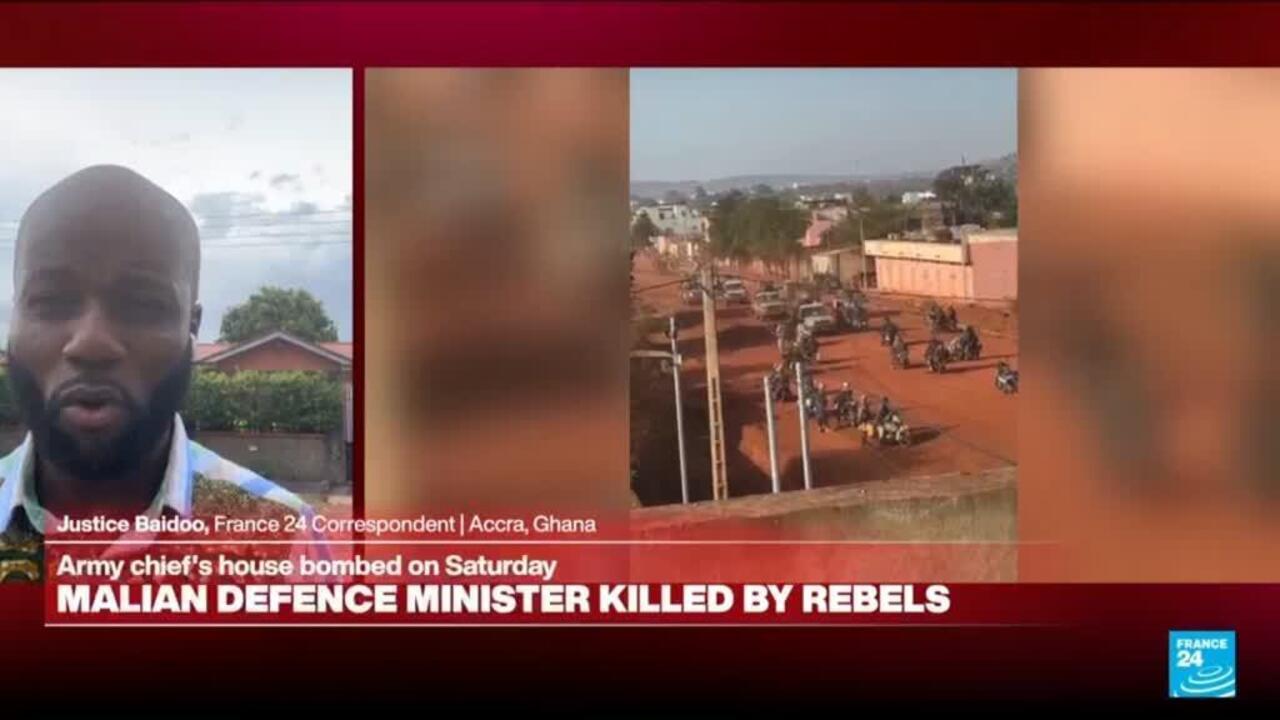
France 24 has reported the confirmed death of General Sadio Camara, Mali's Defence Minister, following coordinated assaults launched by unidentified armed groups on Saturday, 25 April 2026. The attacks targeted the Minister's residence in the garrison town of Kati, alongside military locations in Bamako, Gao, Kidal, and Sevare. This incident represents a severe escalation in the conflict, with the Malian army describing the perpetrators as terrorist organisations.
The operation demonstrated a significant evolution in the capacity of the rebel coalition against established army positions. Reports indicate that the assaults utilised a combination of suicide tactics and ground attacks across multiple provinces. The coordinated nature of the violence suggests a level of planning and resource mobilisation that challenges the current security posture of the regime.
The attacks specifically struck near Modibo Keïta International Airport in Bamako, a site where Russian mercenaries are based. This targeting of foreign-linked assets alongside domestic military infrastructure highlights the strategic intent of the insurgents. The assault on the airport area underscores the vulnerability of key logistical hubs within the capital.
General Camara was a pivotal figure in the military junta that seized power following back-to-back coups in 2020 and 2021. His death is viewed as a critical fracture within the ruling military leadership, which has struggled to maintain stability since taking control of the state. The loss of such a high-ranking official is expected to have immediate repercussions for the governance and command structure of the junta.
Fighting remained ongoing more than 24 hours after the initial attacks commenced. Residents in Kidal reported hearing heavy gunfire and loud explosions, indicating that the conflict has not yet de-escalated. The sustained violence suggests that the rebel groups are prepared to maintain pressure on government positions rather than engaging in a brief skirmish.
While the specific identity of the rebel coalition responsible for the coordinated attacks remains unconfirmed in available reports, the scale of the operation points to a growing threat to the Malian state. The full extent of casualties beyond the Defence Minister and the damage to military infrastructure, including the airport, have not yet been fully quantified.