Constitutional debate intensifies in Diet as ruling party pushes for emergency clause reform
Opposition factions remain divided on the issue while the Supreme Court President emphasises that the Constitution's nature is a matter for the people to decide
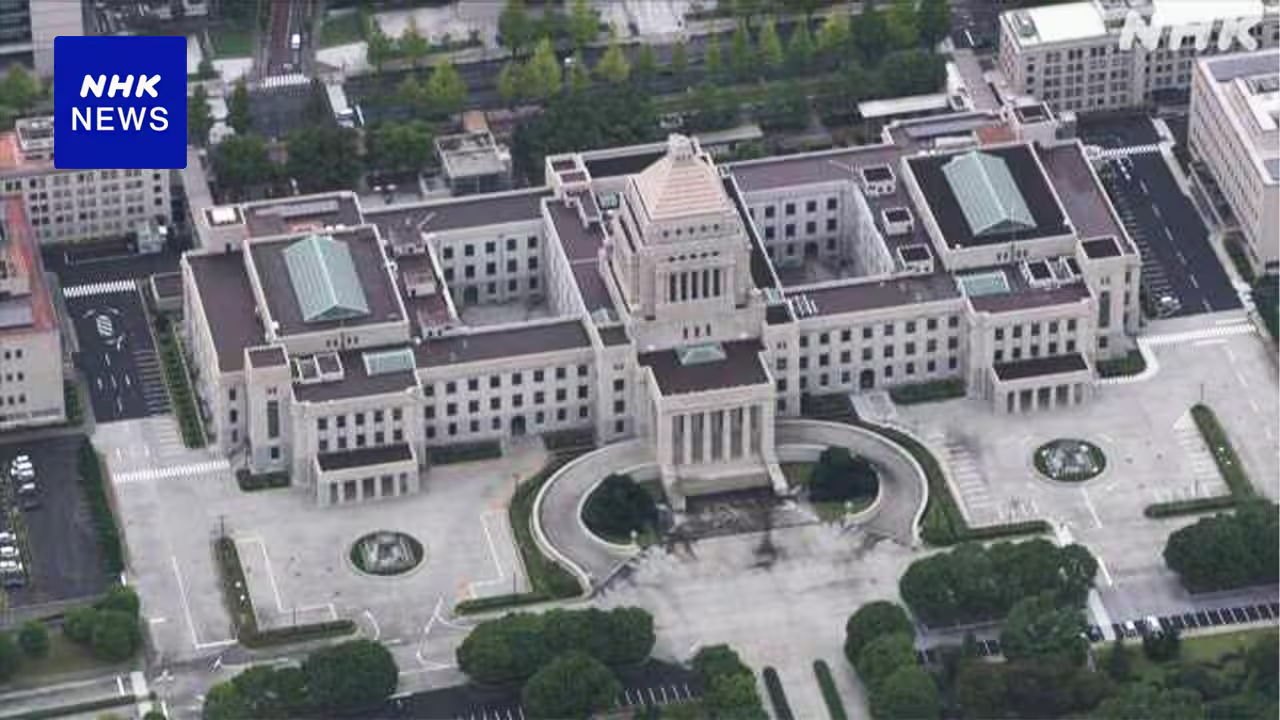
On the 79th anniversary of the promulgation of the Japanese Constitution, the ruling party has indicated an intention to expedite concrete deliberations regarding the establishment of an emergency clause. This move forms part of broader efforts to achieve constitutional revision, marking a significant moment in the legislative calendar as the nation commemorates the document enacted 79 years prior.
The push to accelerate discussions has occurred amidst a backdrop of heightened public interest in constitutional themes, evidenced by increased sales of related literature. Concurrently, the Supreme Court President, Yukihiko Imazaki, has offered a judicial perspective on the matter, stating that the nature of the Constitution remains a decision for the people to make. These comments have added a layer of judicial weight to the ongoing political discourse.
Within the Diet, the prospect of revising the framework has sparked intensified debate. While the ruling party seeks to move forward with specific discussions on the emergency clause, opposition parties remain divided on the issue. This lack of consensus among the opposition has prevented a unified stance, ensuring that the legislative arena remains a focal point for contention.
Various political parties have released statements and speeches to mark the occasion of Constitution Memorial Day, highlighting the divergent views held across the political spectrum. The ruling party's desire to speed up the deliberation process contrasts sharply with the fragmented response from the opposition, which complicates the path toward any potential legislative outcome.
The source material notes that while the ruling party aims to accelerate concrete deliberations, it does not confirm that formal legislative procedures have officially commenced or that a specific bill has been tabled. The phrase used to describe the ruling party's intent suggests a shift in pace rather than the immediate quantification of parliamentary actions or the tabling of new legislation.
As the anniversary concludes, the focus remains on whether the ruling party's intention to expedite discussions will translate into tangible legislative progress or if the division within the opposition will continue to stall the constitutional revision agenda. The interplay between the executive's ambitions and the judiciary's and opposition's caution defines the current political landscape.