Congo Ebola outbreak tops 6,000 cases as containment efforts lag
The Democratic Republic of Congo’s Ebola epidemic has surpassed 6,000 confirmed cases, with the United Nations warning that the Bundibugyo strain is spreading faster than international response mechanisms can cope.
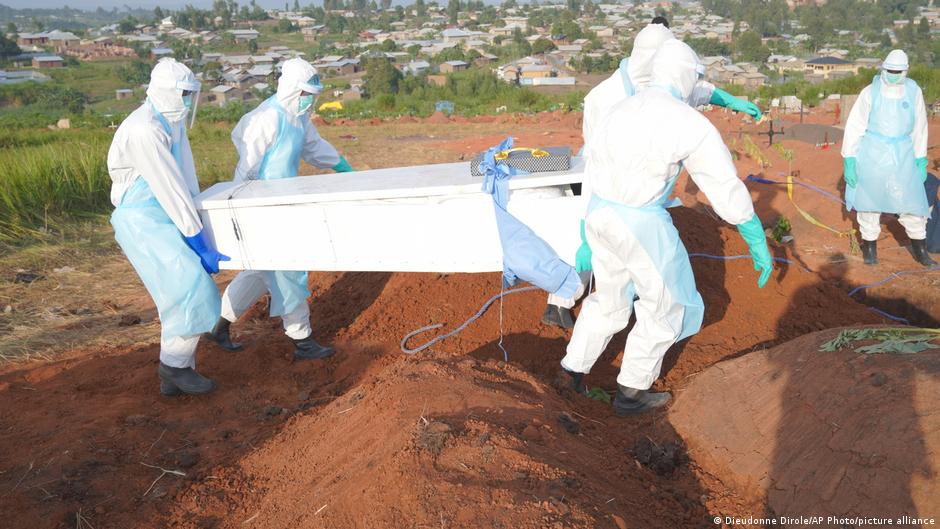
The Ebola outbreak in the Democratic Republic of Congo has exceeded 6,000 confirmed cases, with the death toll reaching 2,911, according to government figures. The epidemic, caused by the Bundibugyo strain, has now spread to approximately 60 health zones across six provinces. Ituri province, where the outbreak is centred, remains the epicentre of the crisis, with new zones being added to the affected list weekly.
UN Secretary-General Antonio Guterres described the situation as the fastest-growing Ebola epidemic on record. He warned that the virus is growing faster and wider than the response to contain it, urging the international community to provide more funding and political focus. Guterres stated that humanitarian agencies are struggling to keep pace with the increasing number of cases, calling for an end to what he termed the "virus of indifference."
Containment efforts are further complicated by ongoing conflict and insecurity in eastern Congo. Health experts note that violence makes it difficult for response teams to reach affected communities. An Ebola response team was recently assaulted near Mambasa in Ituri province while responding to a call to secure a body. Team members have demanded greater security to operate in the field without endangering their lives.
Authorities have deployed more than 50,000 vaccine doses, primarily targeting front-line health workers in a ring around Ituri province. Health Minister Samuel Roger Kamba stated that the current vaccine was originally developed for the Zaire variant, though officials hope it will provide some protection against the Bundibugyo strain. Researchers are continuing trials aimed at developing a licensed vaccine specifically for the current strain.
The outbreak has also strained the local economy and education system. Schools have reopened in towns such as Bukavu and Bunia, but many parents are struggling to afford basic supplies. To reduce disruption, the government has proposed radio-based learning for children unable to attend school. However, teachers argue that many areas lack the necessary infrastructure, such as reliable radio frequencies and computers, to make distance learning effective.
Despite the challenges, health authorities point to a positive sign: more than 1,360 people have recovered from the virus so far. For many Congolese, these recoveries offer hope that with stronger support, increased vaccination rates and improved security, the outbreak can still be brought under control.