Colombian drone attacks surge 146 per cent in first five months of 2026
Data from the Ombudsman’s Office reveals a sharp rise in aerial strikes by armed groups, prompting a $1.68bn government response to develop an anti-drone shield.
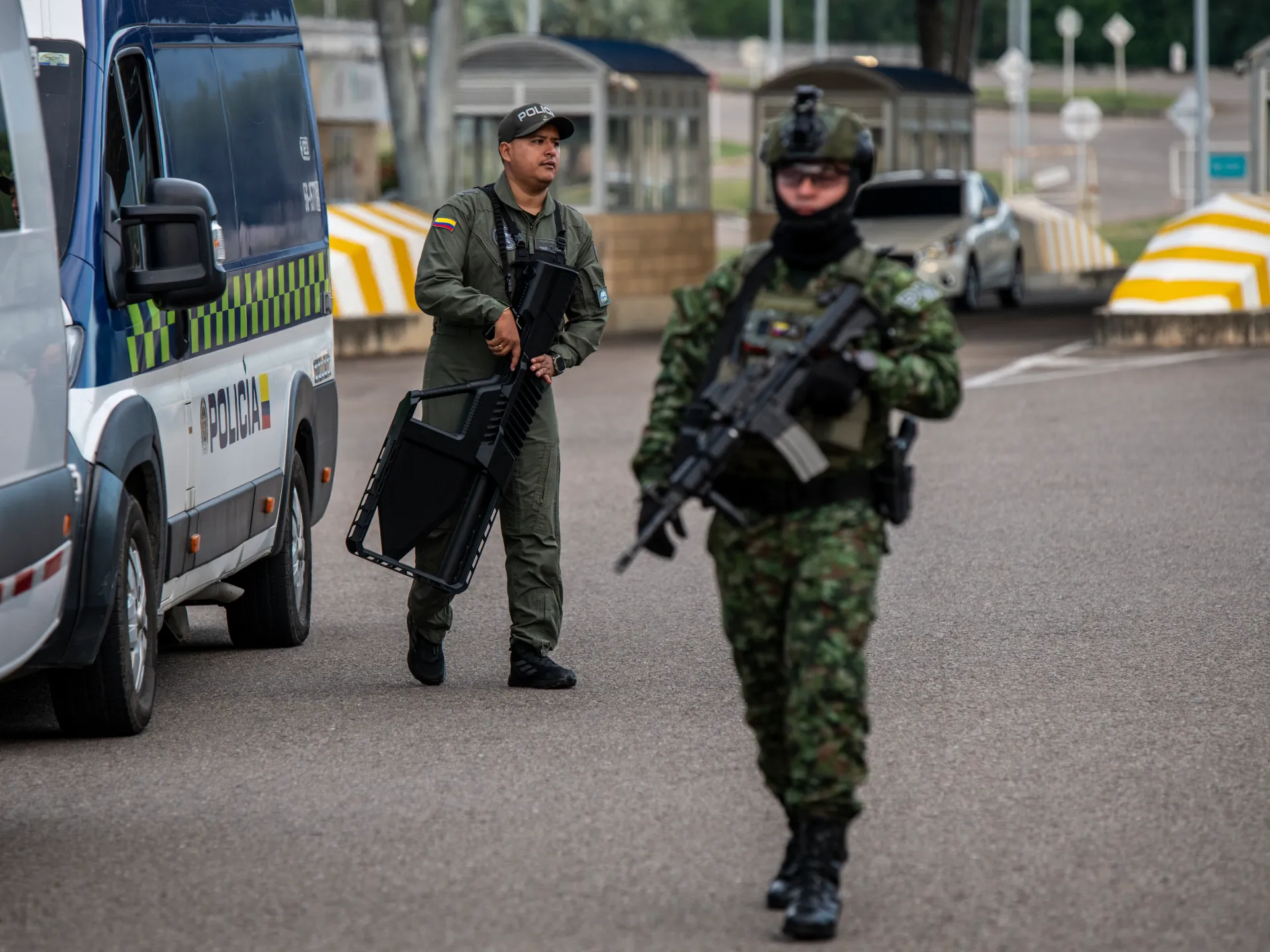
Drone attacks by armed groups in Colombia have surged by 146 per cent in the first five months of 2026 compared with the same period last year, according to data released by the country’s Ombudsman’s Office. The report, published on Thursday, indicates that the increase in aerial strikes has resulted in 21 deaths and 145 injuries, with civilians accounting for nearly a third of the total casualties.
Ombudsman Iris Marin stated that the recurring buzz of drones is terrorising communities in conflict-affected areas, creating a climate of fear that extends well beyond the immediate physical damage. The attacks have targeted homes, schools, petrol stations, and critical infrastructure, while also hindering humanitarian missions and restricting the ability of displaced populations to return to their territories.
Analysts note that armed groups are utilising these devices for two primary purposes: direct attacks on rival factions and state forces, and surveillance of illegal coca fields. The use of makeshift drones rigged with explosives has become a common tactic for these groups to demonstrate strength, while the rugged terrain of Colombia makes neutralising the unmanned aircraft particularly difficult for military forces.
The surge in drone warfare has also drawn attention to the recruitment of young people. A recent report by Human Rights Watch indicated that children are being trained in drone warfare and recruited via social media platforms, including Meta and TikTok. This development suggests a shifting dynamic in the conflict, where technology is lowering the barrier to entry for armed combatants.
In response to the escalating threat, the Colombian government announced a $1.68bn project in January 2026 to develop an anti-drone shield. President Abelardo de la Espriella, who governs from a military stronghold in Barranquilla, continues a frontal offensive against armed groups with support from the United States.
Recent military operations have reflected this technological shift, with Colombian troops utilising US-made drones and grenade-launching drones to counter armed fighters. The integration of these assets highlights the government’s strategy to match the aerial capabilities of non-state actors in a conflict increasingly defined by technological asymmetry.