Colombia integrates traditional midwives into rural health infrastructure
As hospitals remain inaccessible in remote Pacific regions, Colombia is formalising the role of traditional midwives through training, certification, and equipment provision to bridge critical healthcare gaps.
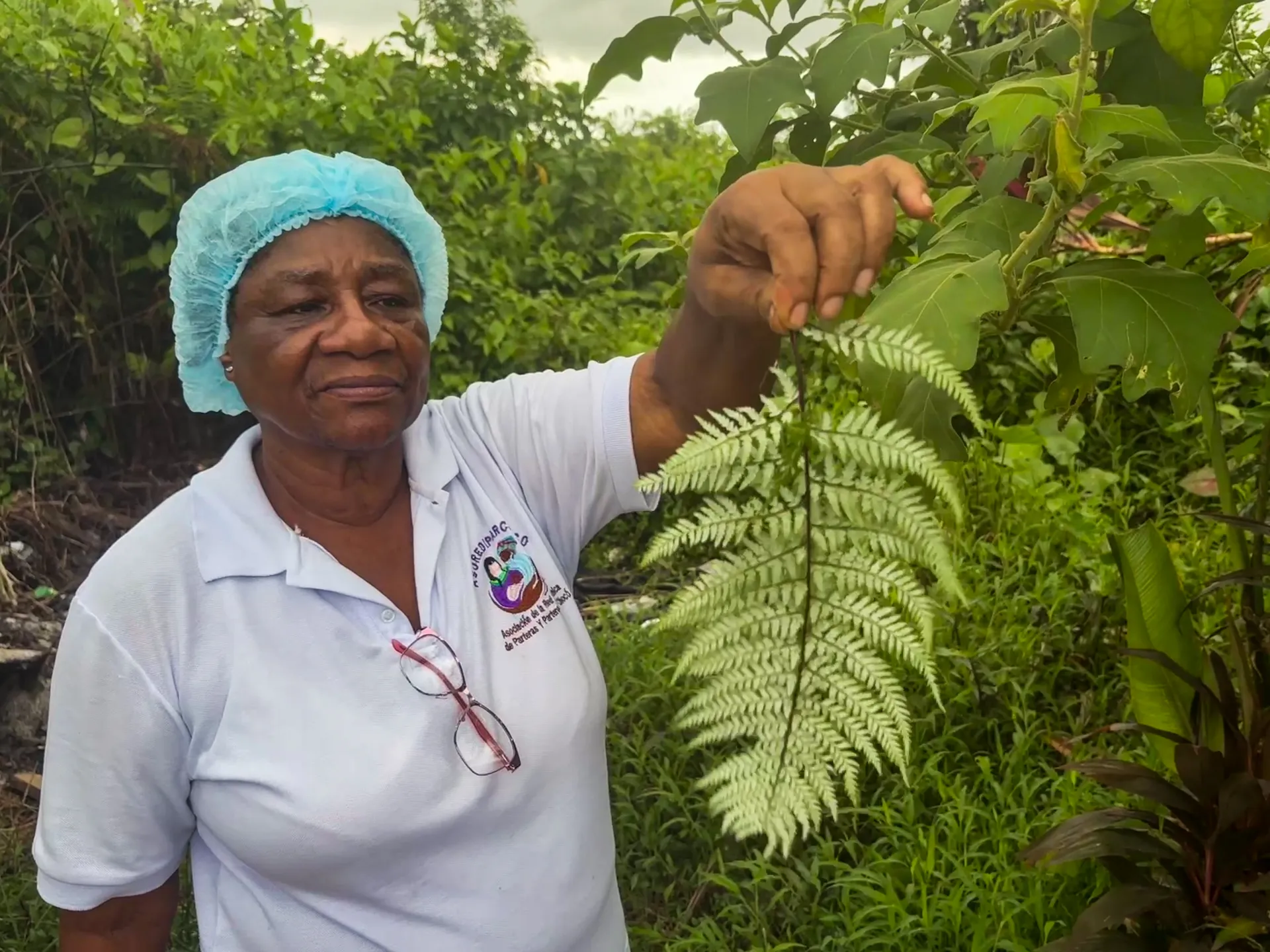
Colombia’s government and international bodies are increasingly collaborating with traditional midwives to address systemic healthcare failures in the country’s most isolated regions. In the Choco department, where hospitals are often inaccessible and maternal mortality rates significantly exceed the national average, these midwives serve as the primary point of care for expectant mothers. The initiative, supported by the UN Population Fund (UNFPA) and the Agency for Territorial Renewal (ART), aims to integrate traditional practices with modern medical protocols to improve outcomes for rural women.
A survey published in May indicated that at least 1,742 traditional midwives are active across the Pacific flank region, with 11 percent being men. The demographic is notably ageing, with nearly half of practitioners over the age of 60 and 40 percent illiterate. Despite these challenges, they provide essential services ranging from prenatal monitoring to postpartum care in areas where armed actors and lack of transport infrastructure frequently hinder access to formal medical facilities.
To formalise this partnership, health authorities have introduced joint training workshops where midwives train alongside doctors and nurses. Participants, such as Nohemí Manco, who estimates she has delivered approximately 1,200 babies, have been trained to recognise symptoms of pre-eclampsia and other complications. The programme also includes the provision of medical equipment, including thermometers and blood pressure monitors, and certification for birth notifications, allowing midwives to formally record births that previously went unregistered.
Alina Bravo, the health secretary for Choco, described trained midwives as critical “first responders” in a department where specialist doctors are concentrated solely in the capital, Quibdo. Bravo noted that the collaboration has facilitated a two-way exchange of knowledge, with medical staff learning about herbal treatments and baby positioning techniques from midwives, while midwives gain access to diagnostic tools and emergency referral pathways.
However, advocates caution that midwives cannot fully substitute for a robust healthcare system. Martha Lucia Rubio, an assistant representative for UNFPA Colombia, emphasised that while midwives replace services the state fails to provide, they require sustained support and close coordination with health institutions. The role remains largely unpaid, with practitioners like Maria Ignacia Espinosa Sala, who has delivered over 1,500 babies, continuing their work out of cultural duty rather than financial incentive.