Colombia enters final rescue phase as quake death toll hits 265
Rescue crews in Pereira and Cali work through a third night to locate survivors beneath collapsed structures, while over 11,000 dwellings are left destroyed.
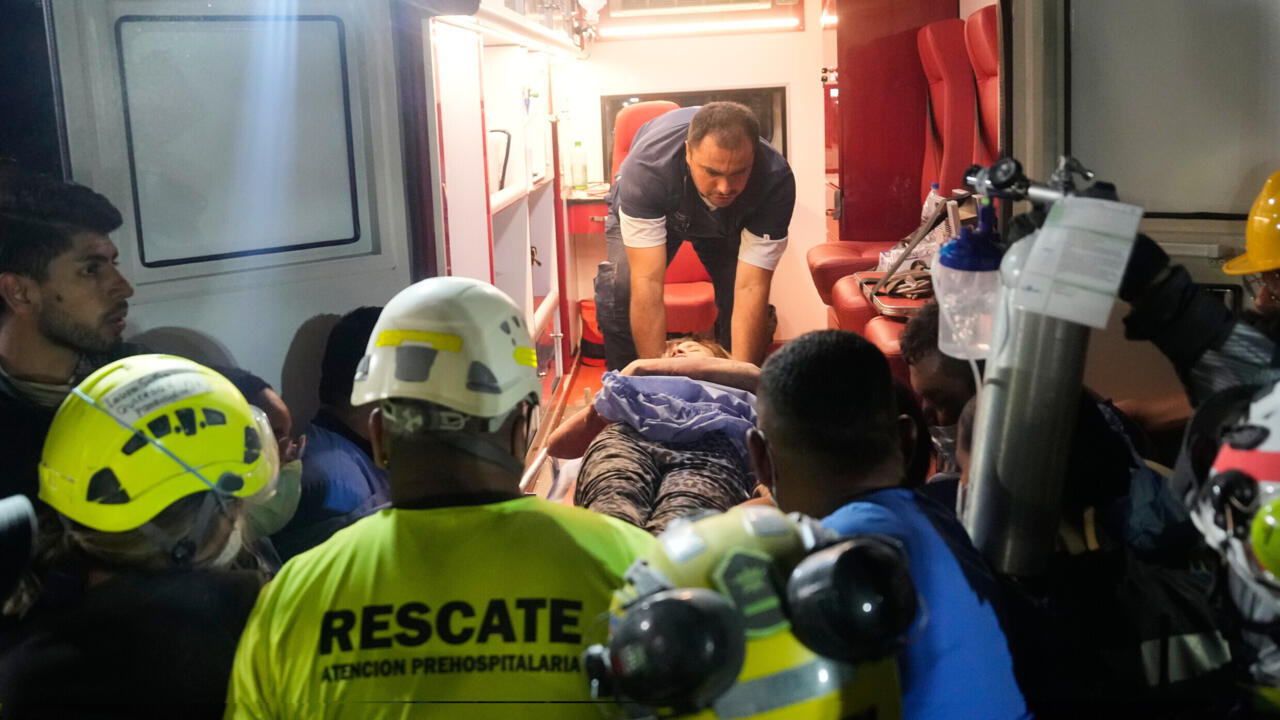
Rescue operations in Colombia have entered what officials describe as the 'final phase' following a magnitude 7.4 earthquake, the strongest seismic event to strike the country this century. As the critical 72-hour window for locating survivors beneath collapsed buildings closes, authorities have confirmed that 265 people have died, more than 3,500 have been injured, and nearly 500 remain missing.
In the city of Pereira, emergency crews focused their efforts on a collapsed bakery where they detected possible signs of life from Pablo Loaiza, a street vendor trapped since Monday. Using vibration-detecting equipment, rescuers reported that Loaiza appeared to respond to instructions to knock from beneath the rubble, prompting anxious relatives to gather at the scene. However, the survival of Loaiza remains unconfirmed as crews continue to search the wreckage.
Cali Mayor Alejandro Eder stated that while the entry into the final phase makes finding survivors more difficult, it does not rule out future recoveries. In both Cali and Pereira, emergency teams prepared to work through a third night using bare hands, cranes, and sniffer dogs. Volunteer rescuer Johana Sanchez noted that crews pause every half hour to listen for signs of life, having already pulled three people out alive and three dead from the debris.
The disaster has caused widespread infrastructure damage, with official figures showing that more than 11,000 dwellings have been destroyed. Thousands of families have been rendered homeless, with many spending consecutive nights outdoors due to structural damage or fear of aftershocks. In the mountain town of El Cairo, residents gathered at community kitchens as power outages persisted, while in Roldanillo, business owners began assessing the damage to their properties.
Colombia’s newly installed President, Abelardo de la Espriella, has declared a three-day national mourning period and an economic emergency. In a statement, he vowed to take necessary measures to help the country emerge from the crisis as a unified society. Meanwhile, citizens have mobilised to support affected communities, with long lines forming outside blood donation centres and residents distributing water and food supplies to damaged neighbourhoods.