Colombia declares national disaster as earthquake toll rises to 132
President Abelardo de la Espriella invokes emergency powers as international partners mobilise support following one of the country’s most significant seismic events in recent years.
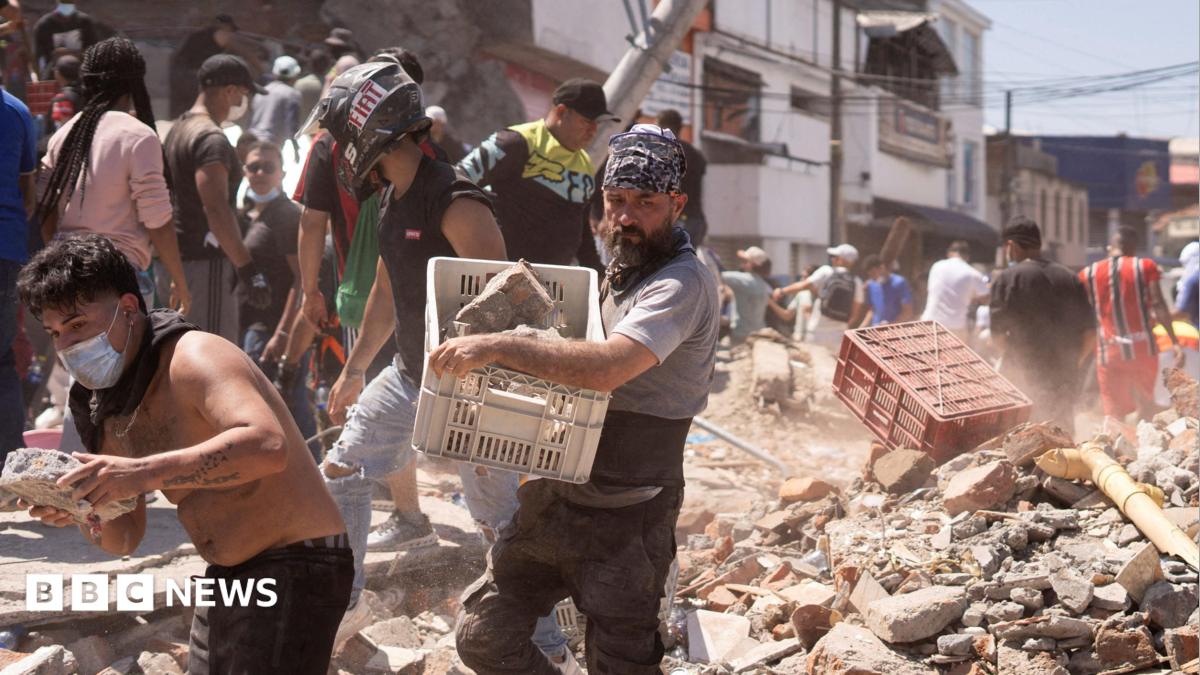
Colombia has declared a national disaster situation following a magnitude 7.4 earthquake that struck on 11 August 2026, killing at least 132 people and injuring more than 480. The seismic event, centred near San José del Palmar in Chocó province, has triggered a significant governance response from the new administration, with President Abelardo de la Espriella invoking special powers to reallocate budgets and coordinate the emergency relief effort.
The death toll has risen from initial reports of 111 fatalities, with authorities warning that the number is likely to increase as rescue teams access areas where dozens of people remain trapped under collapsed structures. The geological service confirmed the quake occurred at a depth of 103km, an event that, while deep, released energy patterns particularly damaging to building infrastructure across western Colombia.
Structural failure has been most acute in Pereira, located approximately 55km from the epicentre. Local authorities report 40 deaths in the metropolitan area, with 65 buildings collapsed and 15 containing trapped individuals. A curfew has been imposed in parts of the city until 05:00 local time on Tuesday to facilitate rescue operations. Similar devastation was recorded in Cali, where 32 buildings collapsed, and Manizales, where at least two fatalities were confirmed.
President de la Espriella, who assumed office on Friday, faces immediate pressure to manage the crisis, which has damaged more than 1,500 homes. The scope of the disaster extends beyond the immediate impact zone, with tremors felt in Bogotá and neighbouring countries including Venezuela, Ecuador, and Panama. Regional airports in Pereira, Manizales, Quibdó, Armenia, Cartago, and Buenaventura have sustained damage, complicating logistical response efforts.
International support has been rapidly mobilised by key global partners. US Secretary of State Marco Rubio stated that Washington is closely monitoring the situation and is ready to provide support. The European Union confirmed the deployment of Copernicus satellite imagery to assist rescue operations, while El Salvador’s President Nayib Bukele offered personnel and equipment. The US Geological Survey noted that while deep earthquakes are typically less dangerous, this event produced fewer but potentially stronger aftershocks.