US clears $414m uranium deal in Niger as strategic pivot deepens
The US Development Finance Corp has approved financing for a Canadian-led uranium project in Niger, a move designed to secure critical mineral supplies and rebuild diplomatic ties two years after Washington’s military withdrawal.
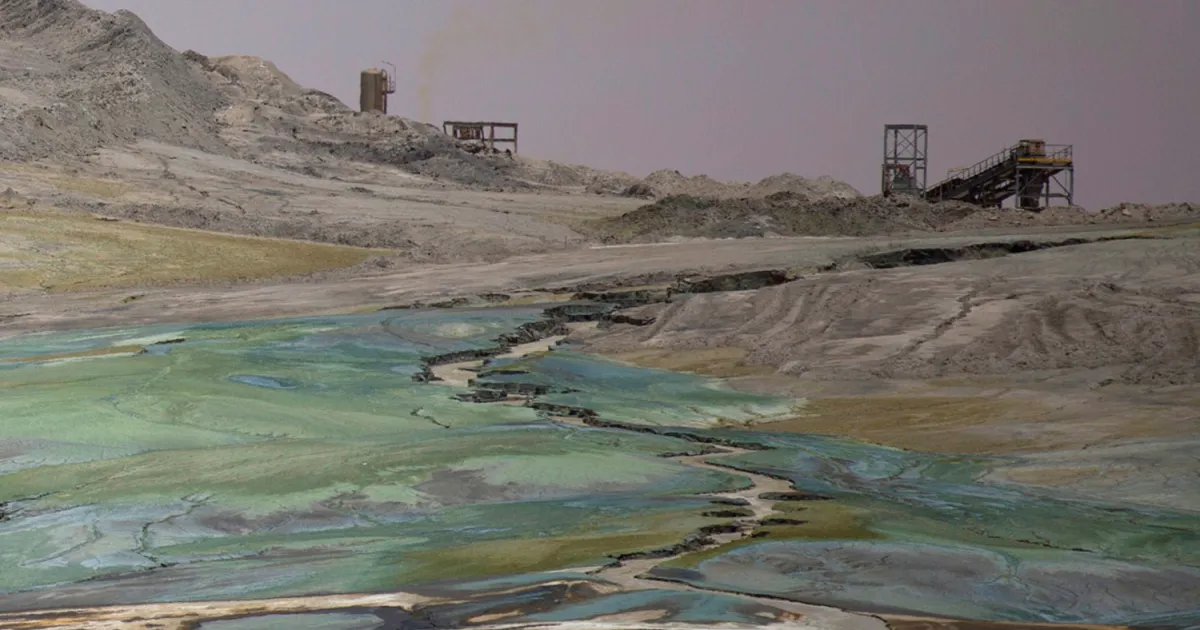
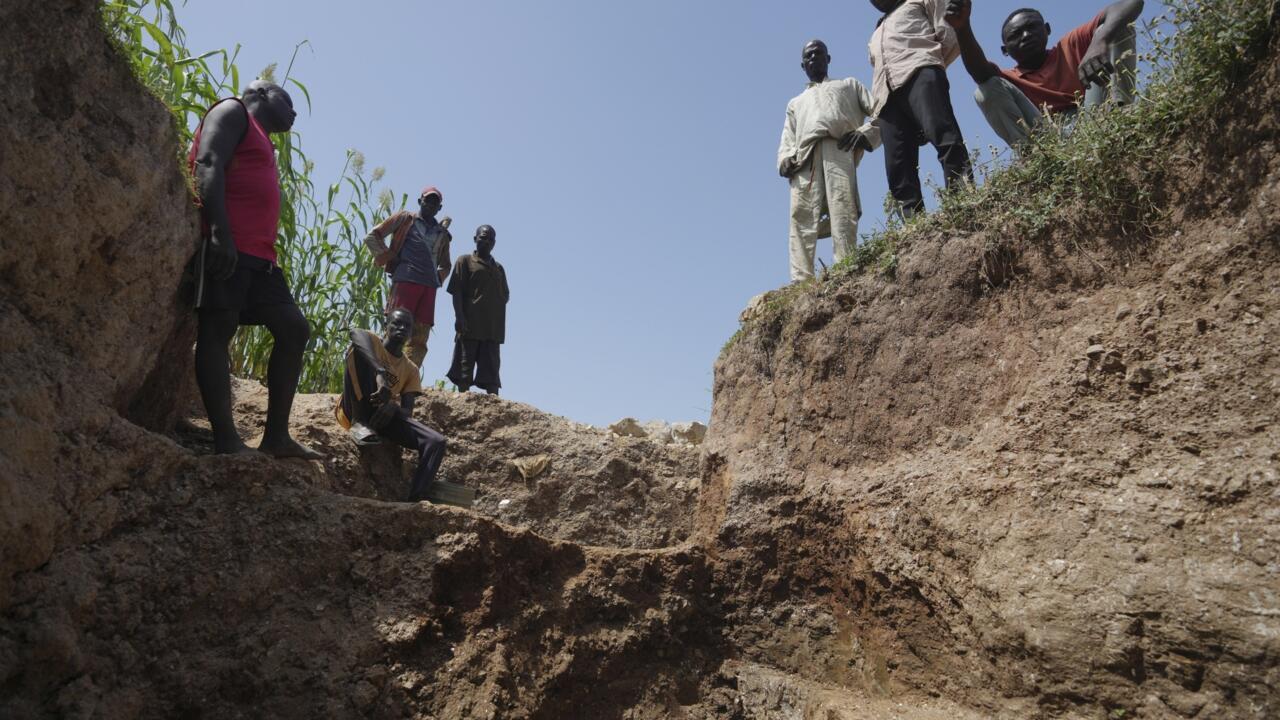
The United States government has approved up to $414 million in financing for a uranium project in Niger, marking a significant institutional shift in Washington’s engagement with the African nation. The US Development Finance Corp signed off on the debt facility for the Dasa project, developed by Canadian miner Global Atomic. The company describes the site as the highest-grade uranium deposit in Africa, a claim that underpins the strategic value of the investment.
This approval arrives two years after the United States agreed to withdraw approximately 1,000 troops from Niger. The military government, which seized control in a 2023 coup, had deemed the US presence illegal and subsequently turned to Russia for security support. French forces were also ordered to leave the country in 2023, leaving a vacuum that this financial instrument aims to fill through economic and strategic leverage.
The deal is intended to bolster US access to strategic uranium supplies at a time when Niger, the world’s seventh-largest producer, is locked in a dispute with French state-backed miner Orano. Orano has long dominated the country’s uranium sector, making the new US-backed project a potential alternative to French influence. Uranium was added to the US critical minerals list last year, further heightening the geopolitical stakes surrounding Niger’s reserves.
Diplomatic sources indicate that US Ambassador Kathleen FitzGibbon urged the administration to rebuild ties with Niger and support the project following the change in government in Washington. A breakthrough in approval discussions reportedly occurred this summer when Global Atomic chief executive Stephen Roman travelled to Washington to resolve outstanding issues. The investment is also viewed as a potential stabiliser for US-Canada relations, which have experienced strain amid a broader trade war between the two neighbours.
However, the project faces considerable security and political risks. Last month, a group of soldiers launched an attempted mutiny in the capital, Niamey, attacking a key military airbase, the presidential palace, and other sensitive sites. Niger later accused France of orchestrating the offensive, a claim Paris denied. These events have prompted Global Atomic to explore alternative export routes for uranium from the landlocked country.
One proposed solution involves investing in a route north through Algeria and across the Sahara Desert. This potential corridor is supported by recent diplomatic warming, as Algeria sent aircraft to Niger last month to assist the government in responding to the attempted coup. While the financing amount is capped at $414 million, the final figure may vary, and the export route remains in the exploration phase.