Coal profits surge as Iran conflict disrupts global energy supplies
The US-Israel war on Iran has triggered a global energy crisis, forcing nations to revert to coal as oil and gas supplies from the Gulf are severed.
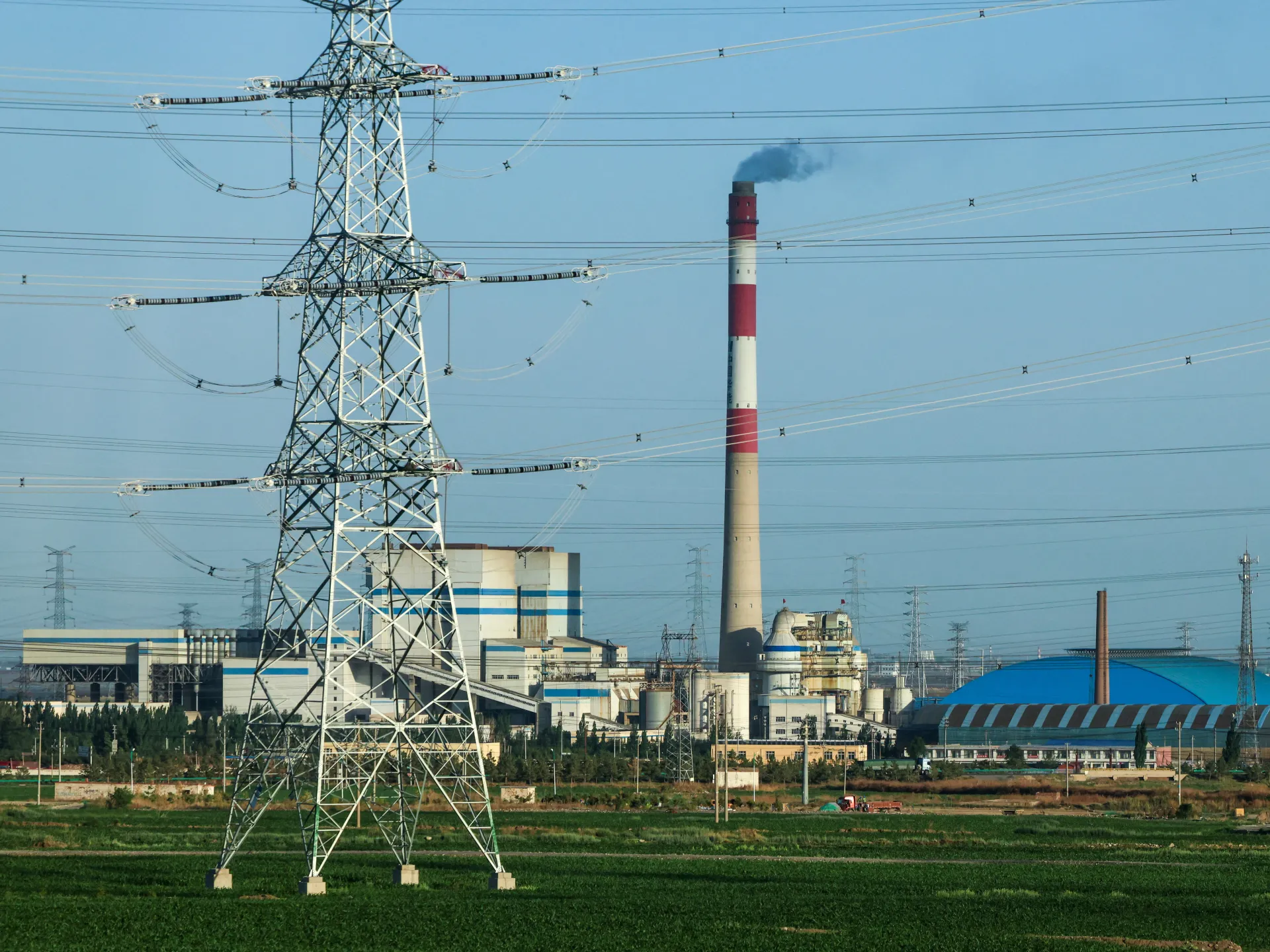
Coal producers are reporting significant profit increases as the conflict between the United States and Israel against Iran disrupts global oil and gas supplies. South Africa’s Thungela Resources, which holds substantial assets in Australia, has doubled its half-year profits, driven by higher production and demand resulting from the energy crisis. The disruption stems from Iran’s closure of the Strait of Hormuz and attacks on Gulf energy infrastructure, which have forced Asian and European nations to revert to coal as a cheaper, readily available alternative.
Thungela Resources reported that production at its Ensham mines in Queensland rose by 38 per cent in the first half of 2026 to 2.2 million tonnes, compared to 1.6 million tonnes in the same period the previous year. The company recorded headline earnings per share of 4.80 South African rand, up from 1.92 rand in June 2025. Thungela stated that prices are likely to remain high as European and Asian markets prepare for winter, citing the ongoing supply constraints in the Middle East.
The closure of the Strait of Hormuz, through which approximately one-fifth of the world’s oil and liquefied natural gas supplies were shipped during peacetime, has severely impacted energy availability. Gulf countries have been particularly hard hit by Iranian strikes. Qatar declared force majeure on delivery contracts in March after Iranian drones hit its Ras Laffan LNG facility, knocking out 17 per cent of its LNG exports. Similar attacks have targeted facilities in the United Arab Emirates, Saudi Arabia, and Oman, further constricting global gas supplies.
In response to the energy shock, several countries have delayed or reversed coal phase-out plans. Japan has lifted restrictions on older, high-emission coal plants, while South Korea has delayed the shutdown of coal-powered plants it had promised to wind down by 2040. Indonesia reversed previous plans to curb coal production in March to benefit from rising prices, with coal prices reaching $131.85 per tonne in July. India plans to launch new coal-mining projects that could increase global supplies by 2.5 billion tonnes a year, partly due to increasing electricity demand from intense heatwaves.
Despite the short-term spike in coal consumption, analysts maintain that the long-term global transition to clean energy remains on track. Nick Hedley, an energy transition analyst at Zero Carbon Analytics, noted that while coal becomes cheaper than imported gas when prices surge, it still cannot compete with renewables on cost. He emphasised that Asian countries need to speed up their shift to clean energy and electrification to safeguard themselves against future global crises, as the breakdown of fossil energy supply chains could make clean alternatives more competitive.