Climate hazards disrupted schooling for 171 million students in 2025: UNICEF
UNICEF says storms, floods, heatwaves, droughts and wildfires interrupted learning across 106 countries and territories, with girls and poorer communities disproportionately affected.
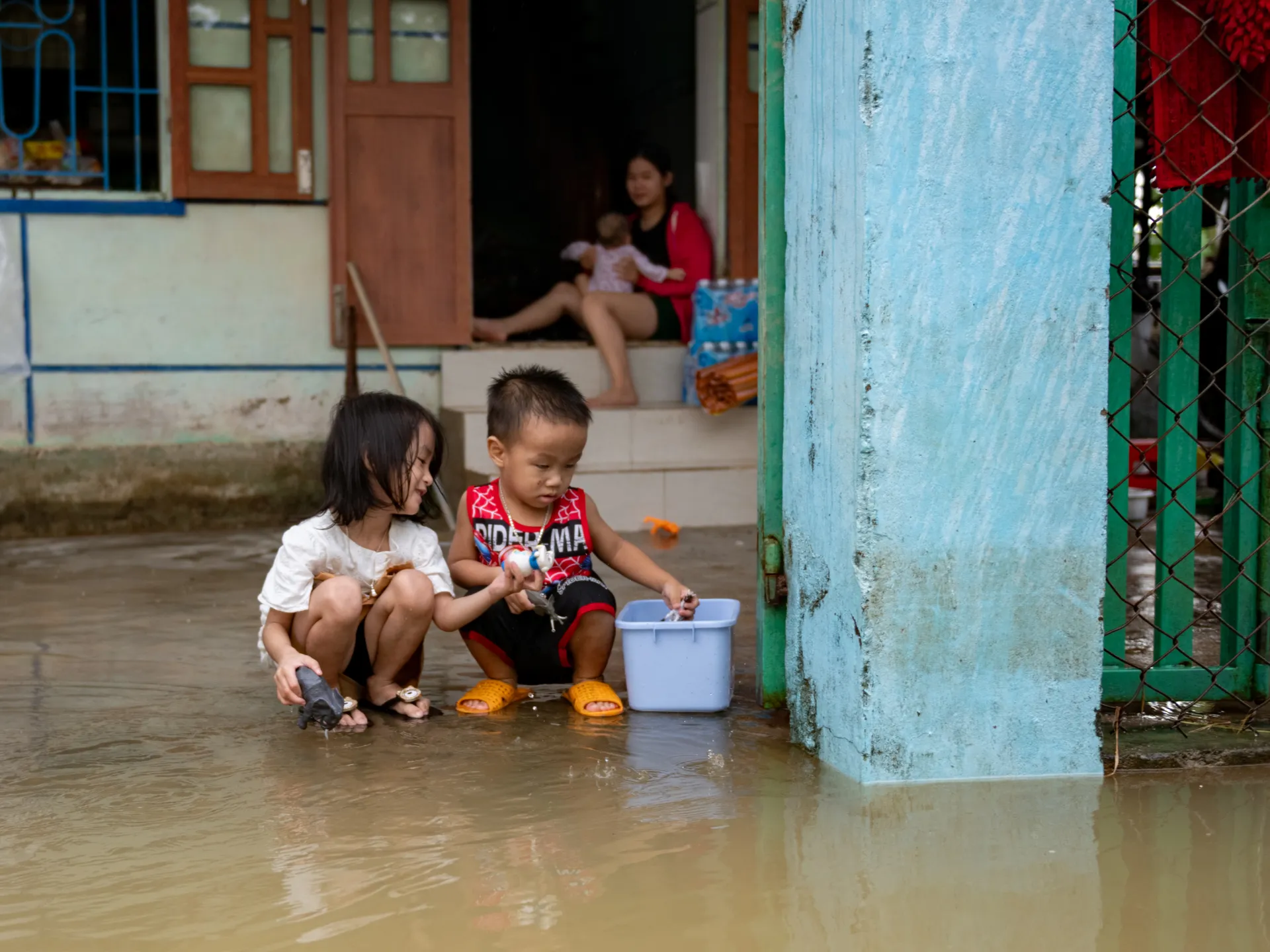
Climate hazards disrupted the education of more than 171 million students in 2025, or about one in 10 from pre-primary to upper secondary level, according to UNICEF.
The United Nations children’s agency said storms, floods, heatwaves, droughts and wildfires contributed to school closures, damaged facilities, reduced teaching time, lower attendance and increased dropout risks.
Storms affected 109 million students, while floods disrupted the schooling of at least 70 million and heatwaves affected approximately 50 million, UNICEF reported. The figures describe separate hazard impacts and should not be combined.
About 75 per cent of affected students lived in low- and lower-middle-income countries. UNICEF said girls faced heightened risks linked to unsafe learning environments, displacement, caregiving and water-collection responsibilities, as well as child marriage.
UNICEF’s estimate for 2025 was lower than its previous figure of nearly 250 million children affected in 2024. The agency said the figures were not directly comparable because it had changed its methodology.
The agency estimated that inaction could lead to at least US$200 billion in lost lifetime earnings among students whose schooling was disrupted in 2025. It urged governments and partners to invest in education facilities designed to withstand climate and environmental hazards.