Climate change amplifies pesticide risks for US farmworkers, report finds
New research indicates that heat stress increases skin absorption of toxins, degrades protective gear, and accelerates pesticide evaporation, leaving millions of workers vulnerable to acute poisoning and chronic disease.
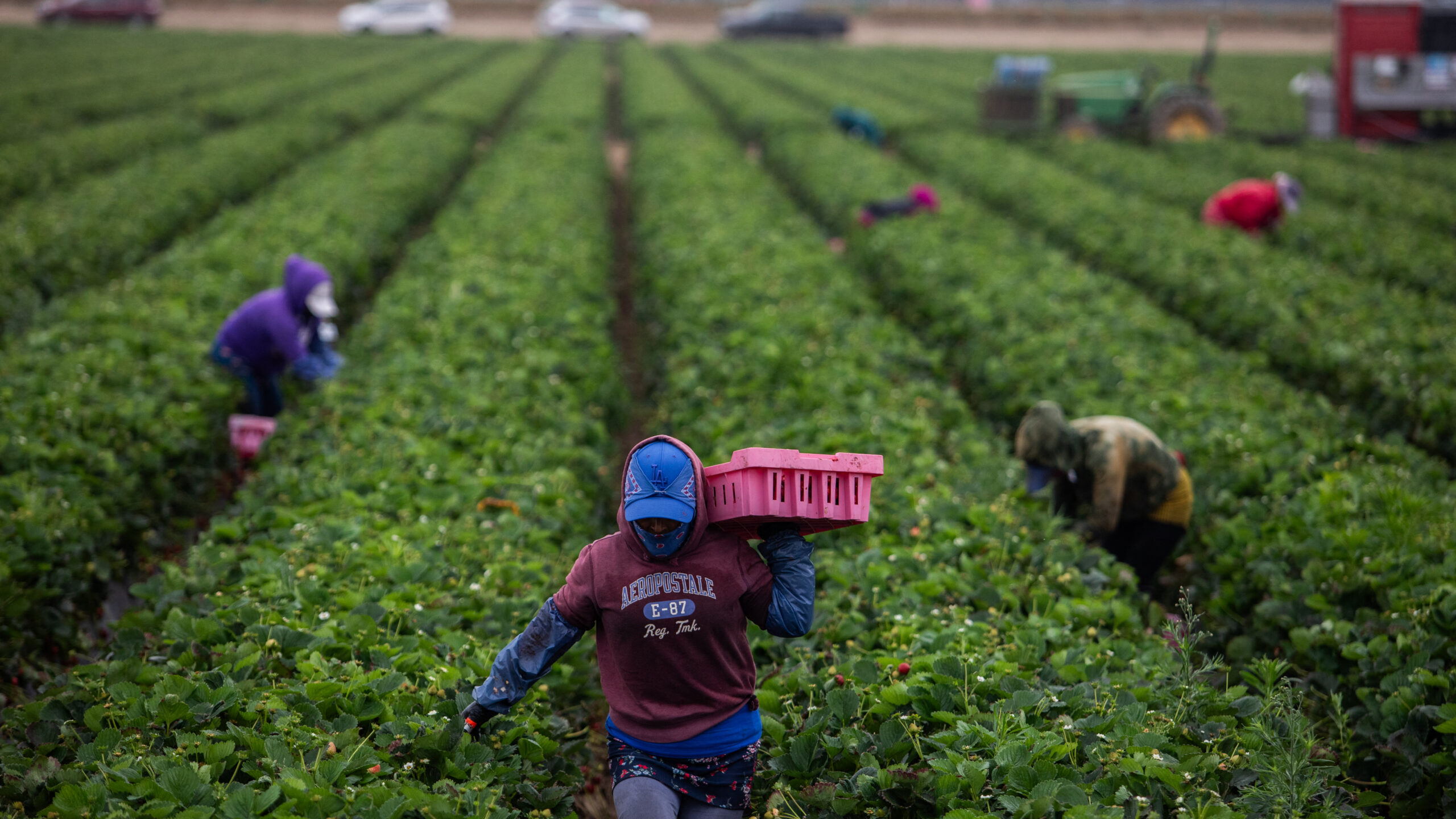
A report by the Union for Concerned Scientists reveals that climate change is significantly intensifying the health risks associated with pesticide exposure for the United States’ 2.4 million farmworkers. The analysis indicates that rising temperatures do not merely create uncomfortable working conditions but actively alter the chemical and biological dynamics of pesticide application, leading to higher rates of acute poisoning and long-term health complications.
Heat stress compromises the body’s ability to regulate toxins, while simultaneously increasing skin pore size through sweating, which enhances the absorption of pesticides. Higher temperatures also accelerate the evaporation of chemicals, increasing airborne exposure, and can boost the transformation of pesticides into more toxic compounds. Furthermore, research cited in the report shows that protective equipment, such as PVC gloves, can break down at elevated temperatures, reducing their effectiveness against chemical exposure.
The report highlights that thousands of US farmworkers suffer from acute pesticide poisoning annually, though data remains limited and many cases go unreported due to varying state practices. The Occupational Safety and Health Administration has noted that field workers who do not directly handle chemicals account for the majority of reported poisonings, often because employers fail to post adequate warnings or provide proper training and protective gear. Chronic exposure is linked to cancer, depression, diabetes, neurodegenerative diseases, and reproductive issues, with family members also at risk of secondary exposure through residue on workers’ skin and clothing.
Farmworkers, who are predominantly immigrants and people of colour, face what advocates describe as significant environmental injustice. Jeannie Economos of the Farmworker Association of Florida characterised these workers as “landless farmers” who are relegated to agricultural labour due to a lack of capital, land ownership, and legal status, rather than choice. She noted that without access to nondiscriminatory regulations or financial assistance, these workers remain vulnerable to the very systems that rely on their labour.
Regulatory protections remain fragmented across the United States. While the Occupational Safety and Health Administration proposed a new heat standard in 2024, it is still moving forward slowly, with agencies currently relying on the general duty clause of the 1970 Occupational Safety and Health Act. Several states, including California, Colorado, Maryland, Minnesota, Nevada, Oregon, and Washington, have implemented state-level heat protections. Conversely, Florida banned local governments from establishing heat protections for outdoor workers in 2024, following a rejected proposal in Miami-Dade County that would have mandated water and rest breaks during extreme heat.