Claims linking Iran's recent rainfall to a destroyed UAE research centre are scientifically unfounded
Experts state cloud seeding operates on a micro scale and cannot alter regional weather patterns or generate rain from clear skies
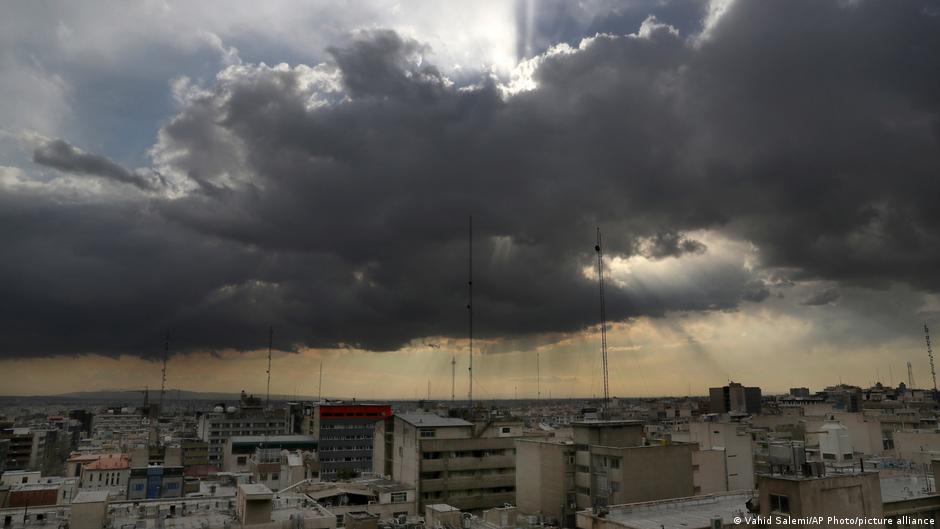
Social media platforms have circulated a viral narrative suggesting that heavy rainfall and snowfall across Iran were the direct result of an alleged strike on a United Arab Emirates climate research facility. This claim, which has garnered millions of views, posits that the destruction of the centre caused a five-degree temperature drop and triggered a sudden shift in regional weather patterns. However, these assertions have been thoroughly debunked by meteorological experts and independent fact-checkers.
The origin of this conspiracy theory appears to be a deleted post from the Iranian embassy in Afghanistan, which alleged that Tehran had bombed a "secret climate change center" in the UAE. Despite the lack of any evidence regarding an attack on the facility, the narrative gained traction by linking the timing of the precipitation to the alleged destruction. No wire services or major news outlets have reported any Iranian strikes targeting the UAE infrastructure, and the facility in question remains operational.
The research centre referenced is the Research Program for Rain Enhancement Science (UAEREP), which has been active since 1990 and is not a secret installation. The programme's official social media feed continues to post updates celebrating global events, contradicting the claim of its destruction. Furthermore, a search of international news archives reveals no reports of Iranian forces targeting this specific site, making the premise of the conspiracy theory factually incorrect.
Scientific analysis confirms that the observed weather events in Iran align with existing meteorological forecasts rather than any artificial intervention. The World Meteorological Organization had predicted moderate to locally heavy rain and thunderstorms in north-western and western Iran between 18 and 21 April. Videos showing overflowing dams and elevated rivers are consistent with these official forecasts, indicating that the precipitation was a natural occurrence driven by seasonal variability.
Regarding the snow footage attributed to Tehran, experts note that the video was actually filmed in Mashhad, a high-elevation city situated between mountain ranges. Snow in April is historically common in Mashhad, which sits at nearly 1,000 meters above sea level. This geographical context, combined with the known history of drought-stricken Iran experiencing periods of intense precipitation, explains the weather patterns without requiring any explanation of foreign interference.
Cloud seeding technology, which dates back to the mid-20th century, functions by releasing agents like silver iodide into clouds that are already on the verge of precipitation. Leading researchers from Imperial College London and the University of Arizona have stated that the technology cannot create rain from clear skies and is limited to small-scale environments. It may enhance rainfall in specific localised areas by 5 to 20 per cent, but it lacks the capacity to alter regional atmospheric flow patterns or generate precipitation across an entire country.
The claim that a single facility could shift weather patterns across borders represents a significant mismatch between the capabilities of the technology and the scale of the alleged effect. While climate change is exacerbating droughts and extreme rainfall events in the region, the recent precipitation in Iran is a natural phenomenon consistent with established meteorological science.