Civilians in occupied Oleshky face severe supply shortages amid blocked access routes
The Ukrainian Parliament Commissioner for Human Rights has warned of a humanitarian crisis while Russian officials attribute the difficulties to strikes by Ukrainian forces
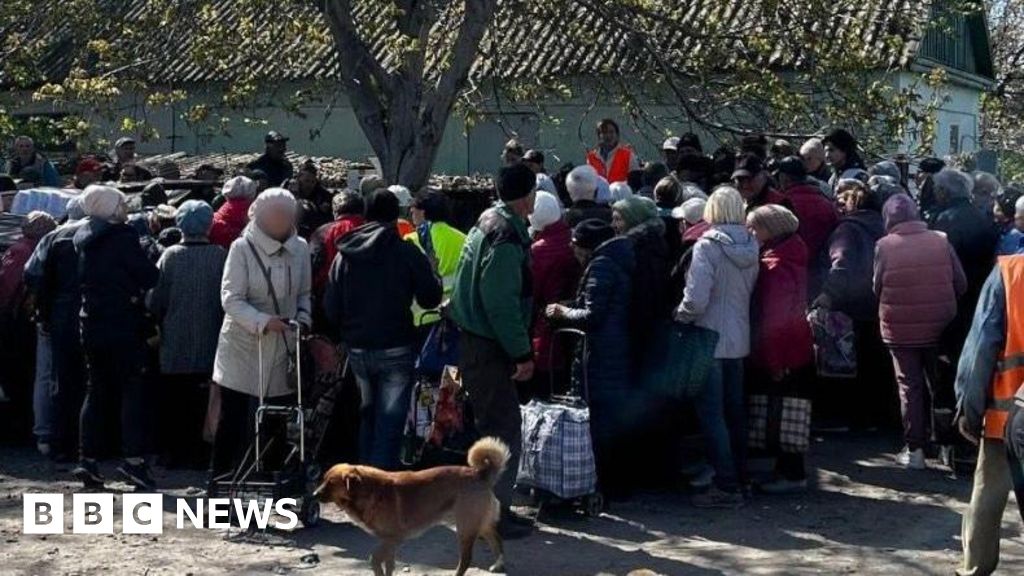
Residents of Oleshky, a city on the Dnipro river under Russian occupation since 2022, report being cut off from fresh supplies of food and medicine for months. The local population describes a situation where access is blocked by wrecked bridges to the north and dangerous, heavily mined roads inland known as the "Road of Death".
While some recent evacuations have occurred via this hazardous route, locals describe severe shortages that force reliance on tinned goods and foraging in abandoned homes. The Ukrainian Parliament Commissioner for Human Rights has issued a warning of a humanitarian crisis and called for the establishment of safe corridors to allow safe evacuations.
In contrast, Russian officials attribute the difficulties to systematic strikes by Ukrainian forces. The Russian-appointed governor of the Kherson region, Vladimir Saldo, has accused Ukraine of destroying the city's schools and kindergartens, though he has not specifically addressed the humanitarian situation in recent communications.
Evidence of the perilous conditions on the evacuation route includes recent satellite imagery from November showing at least eight damaged vehicles on a one-kilometre stretch of the road heading out of Oleshky towards Kardashynka. Verified footage from late January further corroborates claims that ambulances and other vehicles have been blown up or strayed onto mines, with a large scorch mark visible on the road between Kardashynka and Hola Prystan'.
Small trench networks are visible at intersections on approaches to the city, indicating the area is militarised. Inside the city, residents report that Russian soldiers are believed to be holed up in buildings hiding from roving Ukrainian drones, and that bodies, both civilian and military, can lie uncollected for days.
The International Red Cross has stated it is talking to authorities on both sides as it seeks further information about the situation. It remains difficult to assess the degree to which Russian troops or Ukrainian drones have left mines that pose a risk to civilians, with conflicting accounts regarding the origin of the explosives.