Civilian infrastructure attacks surge as Russia-Ukraine war enters fifth year
ACLED figures cited by Al Jazeera show a sharp rise in reported attacks on civilian infrastructure, with drones and air strikes replacing artillery as the dominant form of attack.
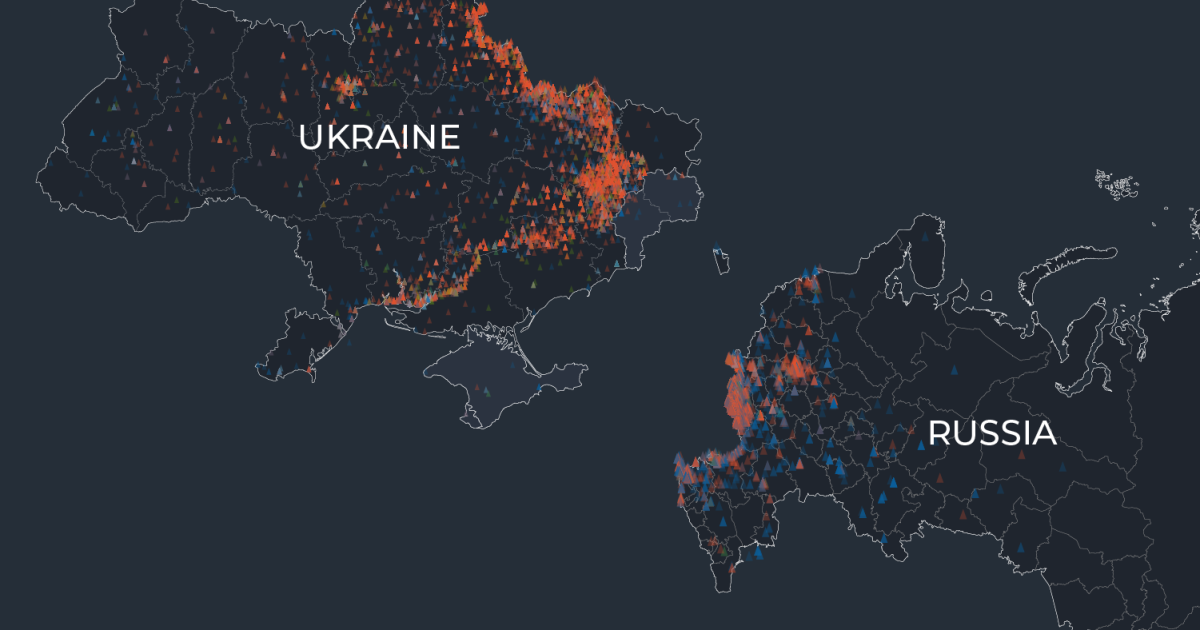
Reported attacks on civilian infrastructure in the Russia-Ukraine war have risen substantially since Russia’s invasion in February 2022, according to an Al Jazeera analysis of data from the Armed Conflict Location and Event Data project (ACLED).
By August 2026, ACLED had recorded 7,170 Russian attacks on civilian infrastructure in Ukraine, up from 1,635 in 2022. Ukrainian attacks on civilian infrastructure in Russia had reached 3,560, compared with 24 in 2022.
Residential and energy facilities were the main reported targets on both sides. In Ukraine, about 68 per cent of Russian attacks on civilian infrastructure struck residential structures and more than 19 per cent hit energy facilities. In Russia, about 69 per cent of Ukrainian attacks hit residential infrastructure and almost 30 per cent targeted energy infrastructure.
The geography of the attacks has also extended beyond the front line. Russian attacks have been concentrated in Donetsk, Kharkiv and Sumy, while Ukrainian attacks in Russia have been centred on Belgorod, followed by Kursk and other western or southern regions.
Al Jazeera reported that air and drone strikes, which accounted for a smaller share of attacks early in the war, have now overtaken shelling and artillery. Ukraine has used long-range drones against Russian oil and gas facilities, logistics hubs and warehouses, while Russia has repeatedly targeted Ukraine’s energy grid.
The shift has increased pressure on Ukraine’s air-defence capacity. Citing CSIS, Al Jazeera reported that Russia is on track to launch 840 ballistic missiles at Ukraine in 2026, while Ukrainian missile-interception rates have fallen to 10.2 per cent from 24 per cent in 2025. The figures concern recorded attacks on infrastructure and do not independently establish the scale of damage or civilian casualties.