Civilian casualties mount as Russia and Ukraine exchange overnight strikes
Reciprocal attacks on residential areas and border regions have left multiple dead and injured across both nations, highlighting the continued targeting of civilian infrastructure amid the ongoing conflict.
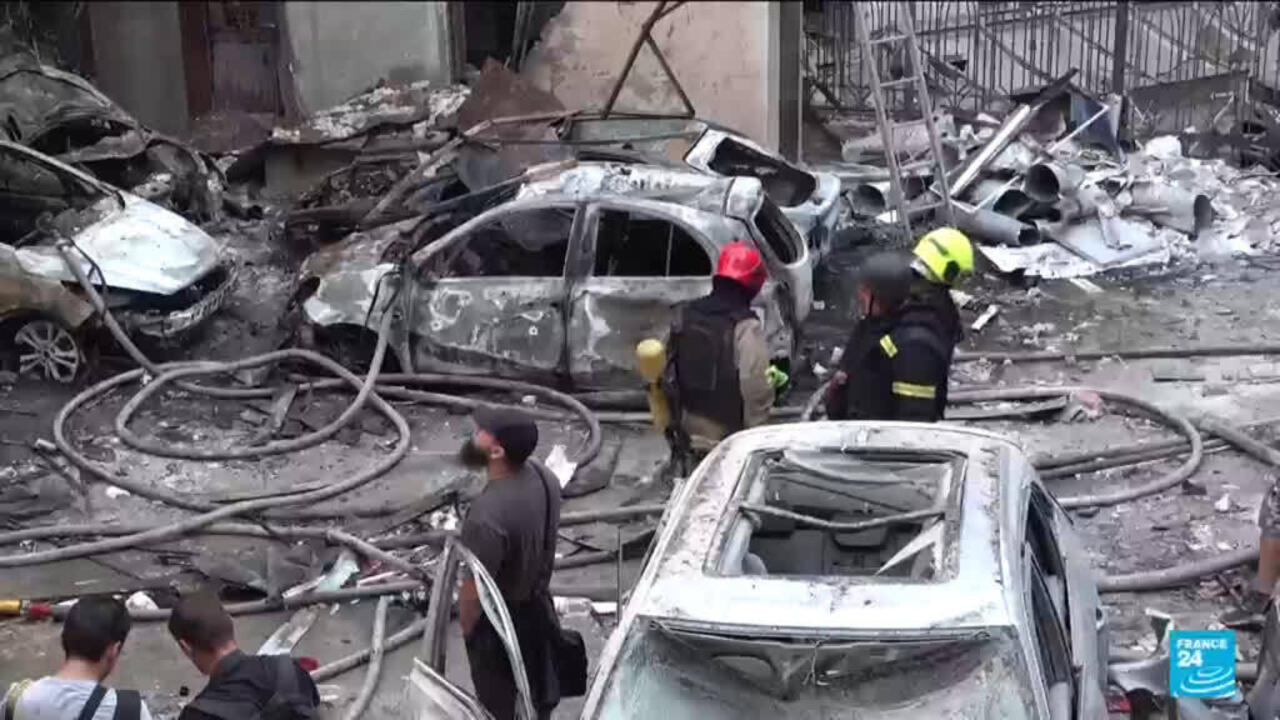
Russia and Ukraine have engaged in another round of overnight strikes, resulting in significant civilian casualties on both sides of the border. The latest exchange of fire underscores the persistent volatility of the conflict, with both nations continuing to target residential and strategic infrastructure in a reciprocal pattern of escalation.
In Russia’s border region of Belgorod, Ukrainian drone attacks killed five people and wounded approximately two dozen others. The incident highlights the continued reach of Ukrainian long-range operations into Russian territory, a tactic employed to disrupt supply lines and pressure Moscow’s energy sector.
Conversely, Russian forces launched missile strikes that struck a high-rise apartment building in Kharkiv, killing two people. The targeting of a residential block in Ukraine’s second-largest city illustrates the ongoing threat to civilian populations in major urban centres, despite international calls for the protection of non-combatants.
Further damage was reported in the Black Sea port of Odesa, where Russian strikes injured several people. While the specific weapon systems used in Odesa were not detailed in initial reports, the attack contributes to a broader pattern of Russian pressure on Ukraine’s coastal infrastructure and economic hubs.
These events follow a coordinated series of Russian attacks launched on 9 August 2026 across multiple Ukrainian regions, including Zhytomyr, Mykolaiv, Kyiv, Kherson, Sumy, Dnipro, Zaporizhia, and Donetsk. President Volodymyr Zelenskyy confirmed the widespread nature of these strikes, which have resulted in fatalities and significant damage to both residential and energy infrastructure.
The conflict has seen Ukraine conduct near-daily long-range strikes on Russian oil facilities in an effort to deepen pressure on Moscow’s fuel supplies. In response, Moscow has reportedly increased the frequency of attacks on Kyiv, exploiting what it perceives as Ukraine’s depleted air defence capabilities.
Casualty figures from the most recent overnight exchanges remain subject to verification, with initial reports indicating five deaths in Belgorod, two in Kharkiv, and multiple injuries in Odesa. The reciprocal nature of these strikes continues to define the operational landscape, with both sides leveraging air and drone assets to inflict damage on the other’s domestic infrastructure.