CivilGrid raises $26 million to map the US underground utility network
The startup, founded by a former Pacific Gas and Electric engineer, has secured Series A funding to expand its data platform and reduce administrative delays in infrastructure projects.
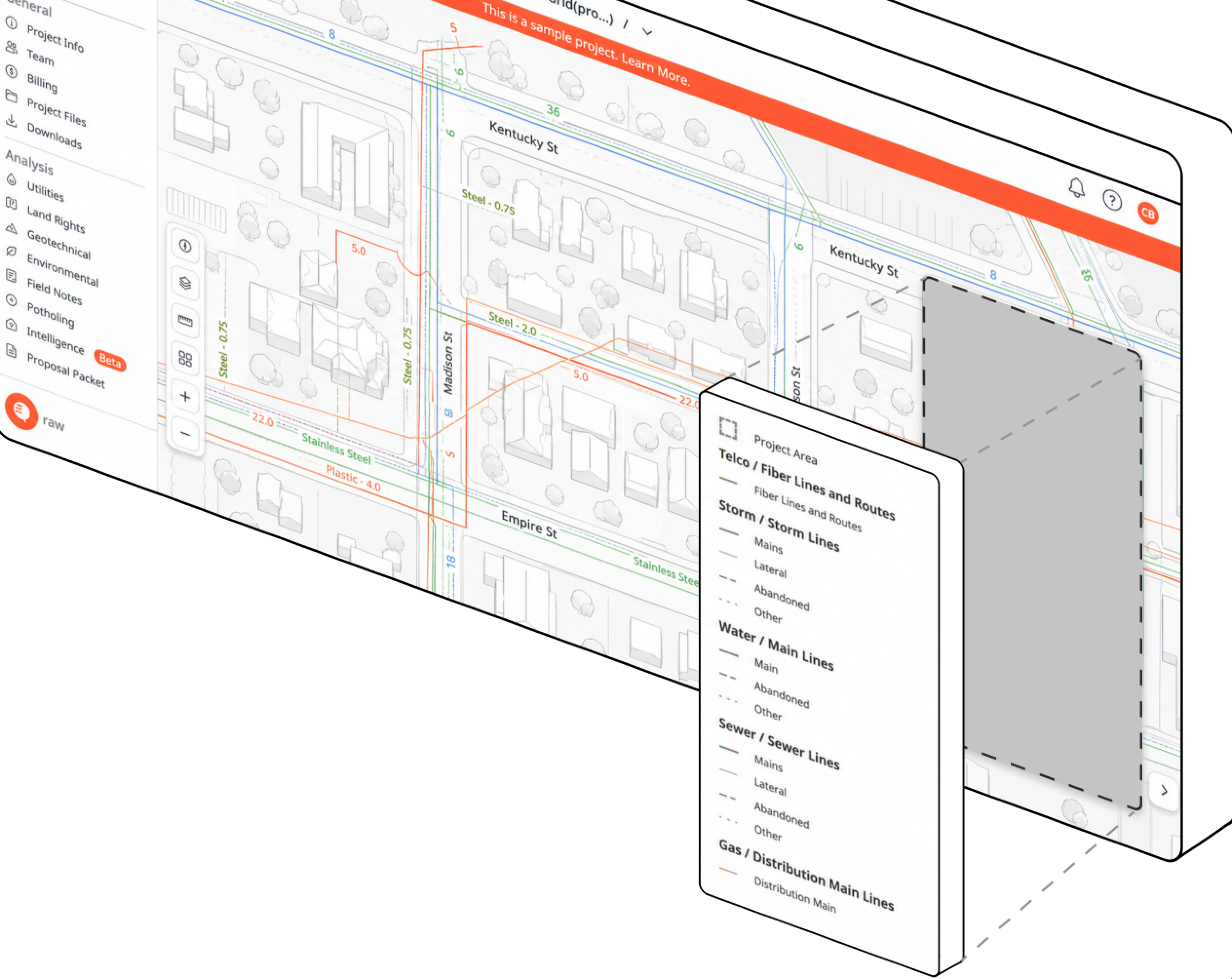
CivilGrid, a startup founded in 2020 by former Pacific Gas and Electric (PG&E) engineer Josh Mackanic, has raised a $26 million Series A funding round. The investment was led by Spark Capital, with additional participation from early-stage funds Afore, A*, Ford Street Ventures, and SNR. The company also attracted investment from Energy Impact Partners, a fund with several utility companies serving as limited partners, which Mackanic described as a vote of confidence from the industry.
The platform aggregates disparate data on underground utility assets, property ownership, and environmental regulations. Mackanic, who spent 10 years as an engineer at PG&E, founded the company to address the lack of visibility regarding buried infrastructure. He described the platform as “Google Maps for the underground,” a tool designed to help governments, civil engineering firms, and utilities navigate complex subterranean networks.
The funding will be used to expand CivilGrid’s customer base and streamline administrative processes for utility and construction projects. Currently, the company provides engineers with data to make decisions about infrastructure placement. Mackanic stated that the next phase involves automating permit filing and providing specific recommendations for where to place infrastructure, thereby reducing the red tape that often slows down construction in the United States.
The need for better underground visibility is significant, with approximately 200,000 “utility strikes” occurring annually in the United States due to a lack of information about buried pipes and lines. These strikes can cause costly delays, as Mackanic experienced during his time at PG&E, where a single unknown pipe caused a three-day ordeal that cost $60,000.
PG&E, which remains a key customer of CivilGrid, has reported that using the platform identified $60 million in avoidable paving costs across 1,600 planned gas distribution projects. This figure is based on an internal case study performed by the utility. Christine Cowsert, senior vice president of enterprise business and technology modernisation at PG&E, stated that the tool helps teams identify risks earlier and build more efficiently while keeping safety front and centre.
Mackanic noted that while creating visibility into subterranean infrastructure is not a novel idea, CivilGrid has found a way to collect, sort, and secure the data while establishing relationships with partners willing to pay for it. He believes the problem is better solved from the outside than from within utility companies, which often operate with lean budgets and limited resources for data management.