CIEL campaigner frames Middle East instability as a systemic reckoning, not an opportunity
Speaking at a high-level summit in Colombia, the Petrochemicals Campaign Manager at the Centre for International Environmental Law (CIEL) urges a decoupling of economies from fossil fuels to secure food sovereignty
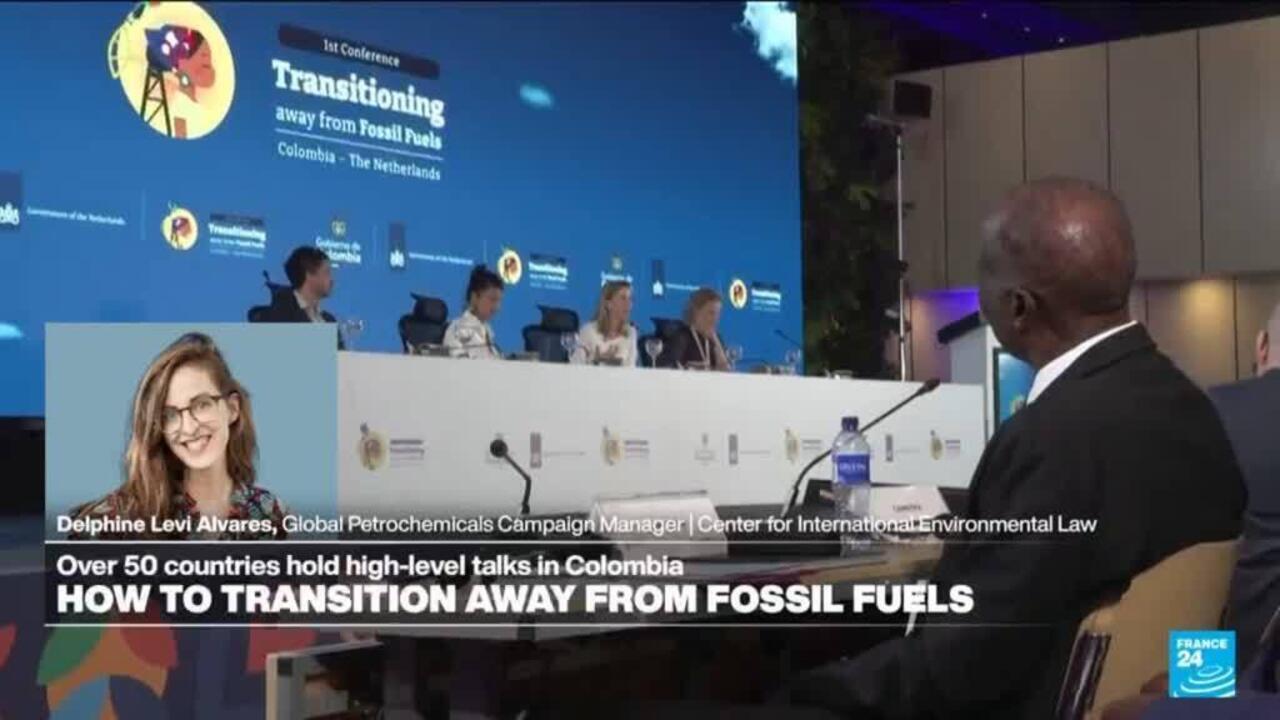
Geopolitical instability in the Middle East has been characterised by Delphine Lévi Alvarès, Petrochemicals Campaign Manager at the Centre for International Environmental Law (CIEL), as a moral and systemic reckoning rather than a strategic opportunity. Addressing a high-level summit in Colombia, Ms Alvarès warned that the ongoing conflict serves as a stark reminder of the deep entanglement between energy systems, food production, and global security.
In her address, the campaigner argued that the current situation demands a fundamental shift in how nations approach their economic foundations. She stated that the interconnection between these vital sectors necessitates a decisive move to decouple economies from fossil fuels. This structural change, she contends, is essential to ensure food sovereignty and secure food access for every person globally.
Ms Alvarès emphasised that the world deserves guaranteed food sovereignty, a goal that cannot be achieved while remaining dependent on volatile energy markets. Her comments underscore the view that reliance on fossil fuels during times of regional instability directly threatens the ability of populations to access secure food supplies.
The Centre for International Environmental Law (CIEL) has long focused on the regulatory and environmental implications of the petrochemical industry. By linking the Middle East conflict to broader food security issues, Ms Alvarès highlighted how geopolitical tensions expose the fragility of current supply chains. She suggested that the crisis represents a critical juncture requiring steadfast action from international bodies and national governments alike.
Oliver Farry, who welcomed Ms Alvarès to the summit, noted that the discussion reflects a broader discourse on the risks posed by fossil fuel dependence in an era of increasing global uncertainty. The argument presented by CIEL suggests that without a transition away from these energy sources, the link between energy security and food stability will remain precarious.
Ultimately, the call to decouple from fossil fuels is presented not merely as an environmental imperative but as a prerequisite for maintaining global order. Ms Alvarès' assessment at the Colombia summit suggests that the path forward requires a reevaluation of how energy policy intersects with the fundamental right to food.