CIA releases declassified briefings on bin Laden and al-Qaeda
The documents detail intelligence on threats to US targets, hijacking preparations, al-Qaeda financing and efforts to obtain radioactive materials before and after the 11 September 2001 attacks.
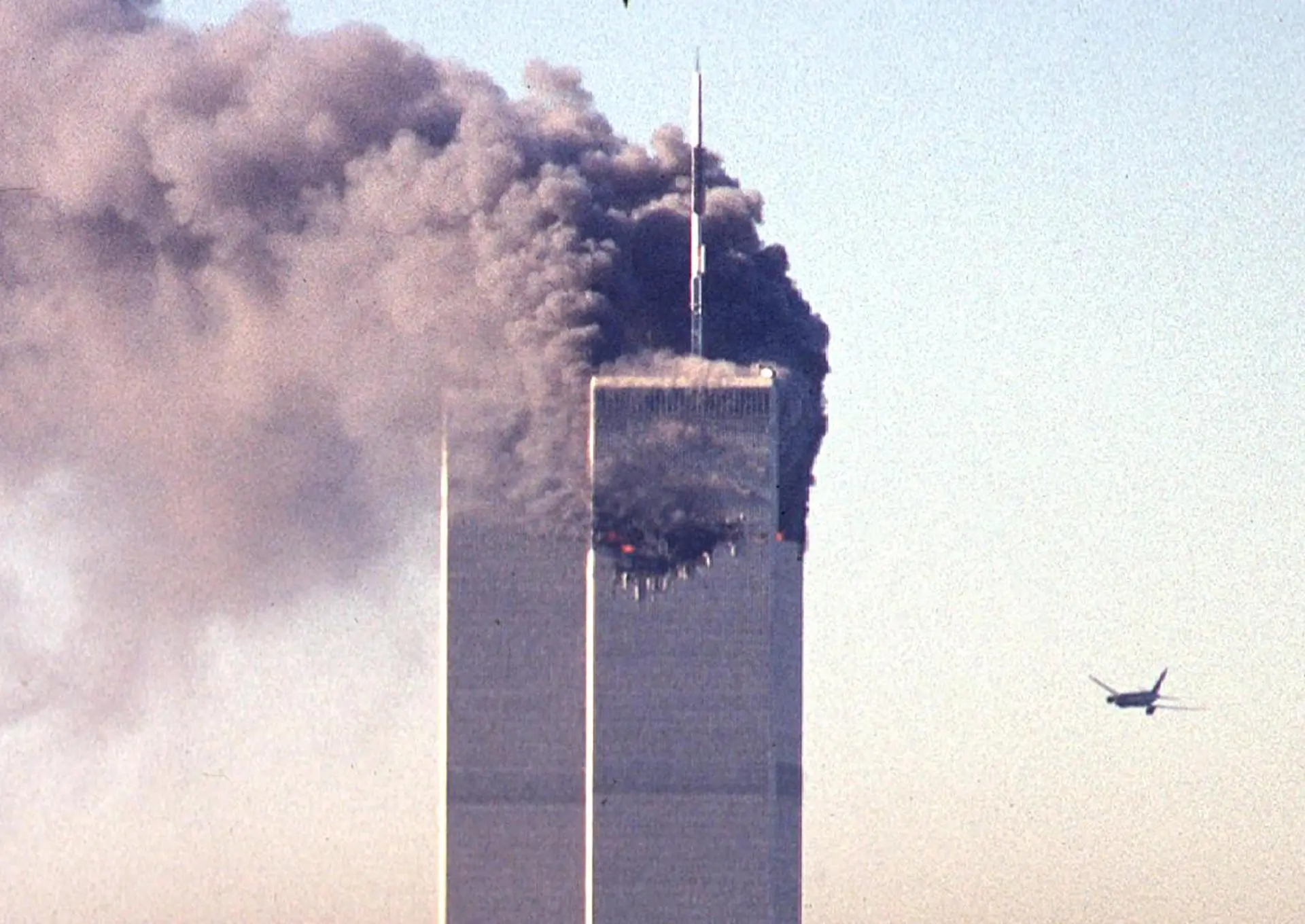
The CIA has released several dozen declassified presidential daily briefs covering intelligence on Osama bin Laden and al-Qaeda from February 1998 to 12 September 2001, along with material relating to the period immediately after the attacks that killed nearly 3,000 people.
The briefings describe threats to US targets, bin Laden’s movements and support network, the financing of al-Qaeda operations, and concerns about possible hijackings. CIA Director John Ratcliffe called the release the agency’s largest publication of declassified presidential daily briefs.
An April 1998 briefing said the Taliban was reluctant to hand bin Laden over, viewing him as a guest and valuing his support during the Soviet occupation. A September briefing told then-president Bill Clinton that bin Laden preferred striking the US mainland, potentially Washington, and that al-Qaeda might use an explosive-laden aircraft.
A December 1998 document reportedly referred to an airport security trial run and hijacking training among members of bin Laden’s network. Other briefings described efforts to obtain radioactive materials and experiments with explosives in pursuit of “dirty bomb” capabilities.
The release includes substantial redactions, including the names and identifying details of sources. The material does not appear to substantially alter the existing understanding of the attacks or establish that US officials had complete or specific foreknowledge of their planning.