Kenya suspends transport strike following deadly fuel price protests
Deadly unrest over 20 per cent petrol and 40 per cent diesel hikes forces temporary halt to nationwide matatu boycott, with over 700 arrests made and rights groups condemning lethal force.
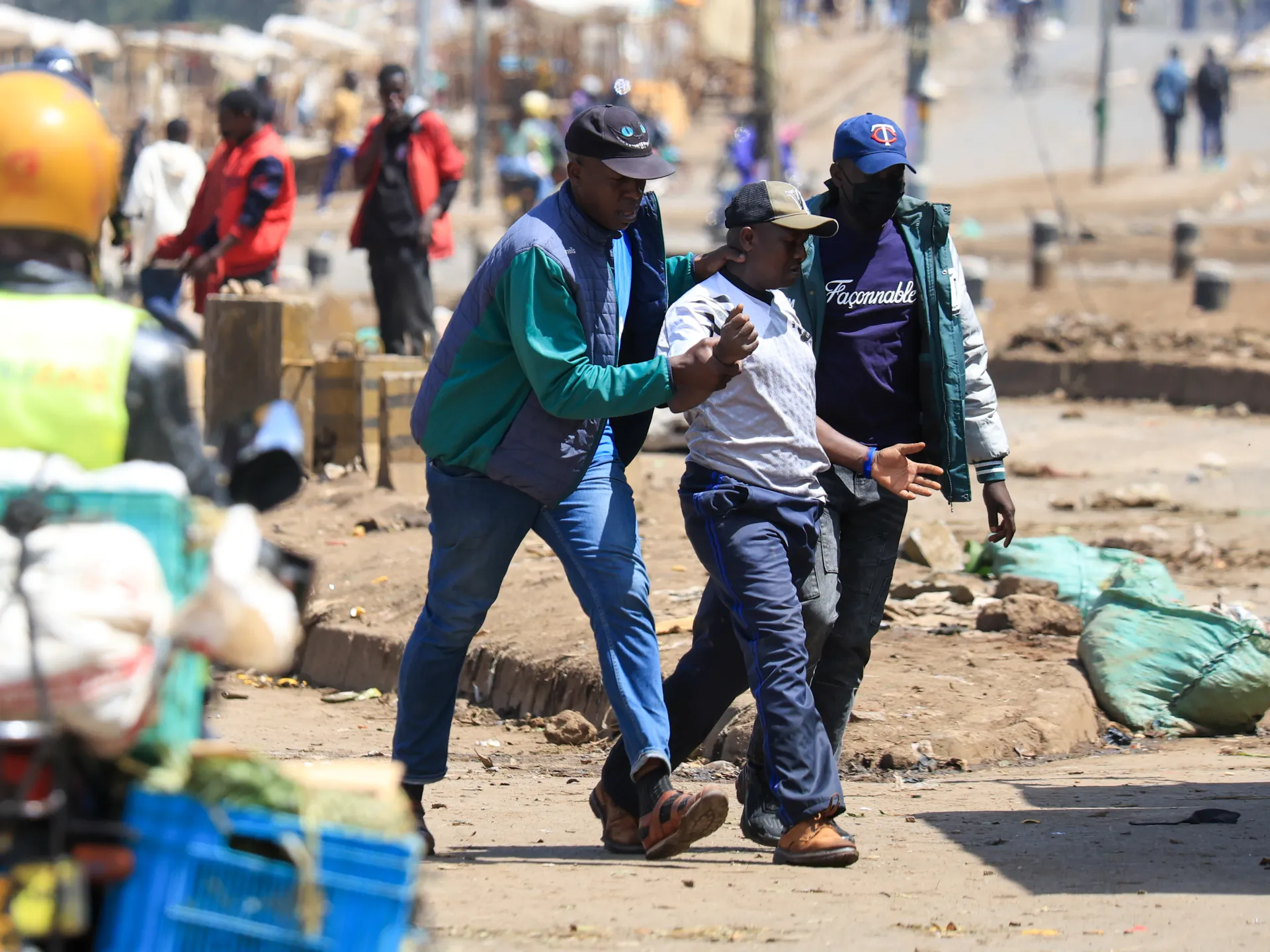
A nationwide transport strike in Kenya has been suspended for one week following deadly protests triggered by sharp increases in fuel prices. Interior Minister Kipchumba Murkomen announced the pause on Tuesday to facilitate consultations between the government and stakeholders, including matatu bus operators who provide the majority of public transport in the country.
The unrest, which resulted in four deaths and more than 30 injuries, was sparked by petrol price rises of 20 per cent and diesel hikes of nearly 40 per cent. Authorities have attributed these cost increases to the impact of the United States-Israeli war on Iran, which has effectively blocked traffic through the Strait of Hormuz, a critical chokepoint handling approximately a fifth of the world’s oil supply.
Albert Karakacha, president of the Matatu Owners Association, confirmed the suspension of the strike. The national energy regulator noted that the government spent $38.5 million last week to cushion consumers from rising diesel and kerosene costs. In a further emergency measure to maintain supplies amid growing shortages, Kenyan authorities temporarily suspended fuel quality standards last month.
Police reported that over 700 people had been arrested in connection with the protests. The unrest also disrupted Kenya’s main trade corridor, with local media reporting that truck drivers refused to move cargo due to fears that their vehicles could be attacked and set alight by demonstrators.
Rights groups have condemned the response by security forces. Amnesty International called for "maximum restraint" after reports emerged of lethal force being used against protesters. Despite being one of East Africa’s most dynamic economies, Kenya faces deep structural inequalities, with approximately one-third of its 50 million people living in poverty and unemployment rates remaining high.