Chinese regulators order Tesla to fix nearly 3 million vehicles
Tesla must install physical warning labels and push software updates to address safety concerns in Model 3 and Model Y vehicles across China.
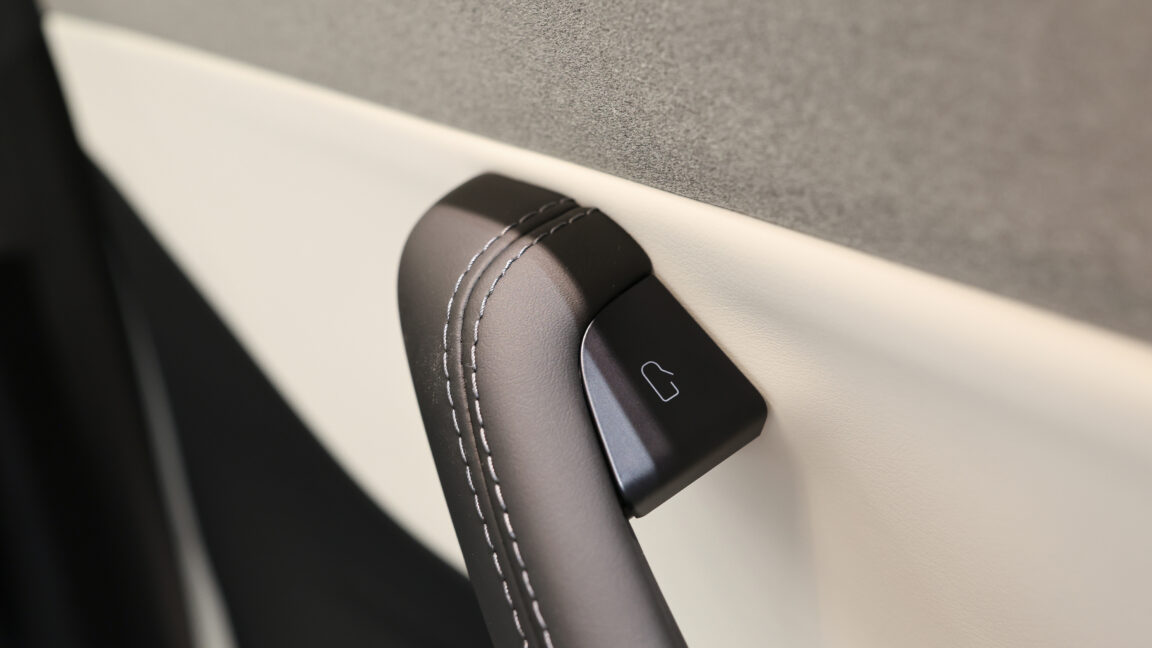
Chinese regulators have ordered Tesla to address safety concerns in 2.98 million Model 3 and Model Y electric vehicles in the country. The mandate requires the automaker to add warning labels to the vehicle interiors, clarifying how to open rear doors in emergencies where power is lost. This physical modification necessitates direct access to the vehicles, marking a significant operational task for Tesla in the region.
The regulatory action reflects a stricter approach to electronically controlled car doors in China. This shift follows a growing number of crashes with fatal consequences, where occupants were trapped in burning vehicles. A notable incident involved a Xiaomi sedan where bystanders were unable to open the doors to rescue the driver, intensifying scrutiny on electronic mechanisms.
In addition to the physical labels, Tesla is required to push a software update that automatically lowers all windows in the event of a collision. This measure aims to provide an additional escape route for occupants if the primary door mechanisms fail during a crash.
The regulatory environment is tightening further, with new rules taking effect next year that specify dimensions for door handles on newly approved vehicles. However, existing models such as the Model 3 and Model Y are currently grandfathered in regarding these specific handle dimensions until the end of 2028.
Tesla faces a second, separate recall affecting 2.74 million vehicles in China. This recall requires a software update to the driver monitoring system. The current system relies solely on a torque sensor on the steering wheel to determine if the driver is holding the wheel and remains engaged in driving.
The updated system will leverage the interior camera in the Model 3 and Model Y to track the driver’s gaze. This change addresses previous reports that Chinese Tesla owners could defeat the existing monitoring system by mounting a doll’s head in front of the camera, a workaround that had been possible with the more advanced partially automated driving system.