Chinese courts block AI-driven dismissals as US lawmakers propose worker protections
While China’s judiciary affirms employee rights against artificial intelligence displacement, American legislators are introducing legislation to fund a new administration aimed at mitigating job losses, even as data shows limited immediate impact on broader employment figures.
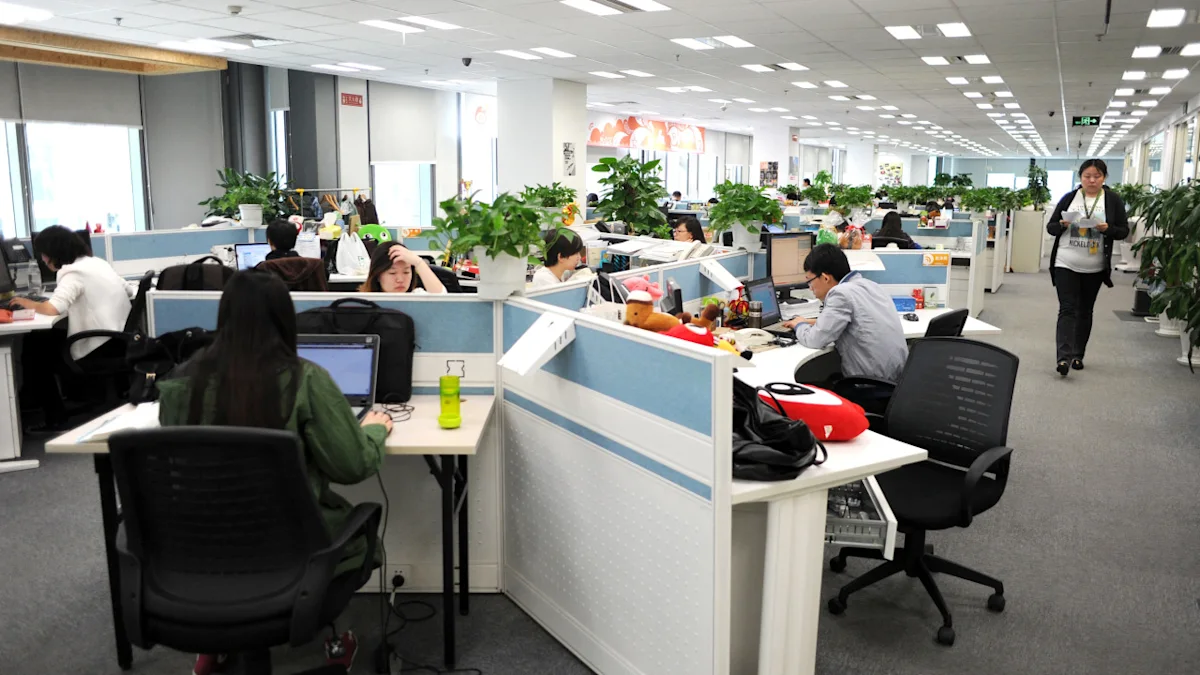
Chinese courts have established a legal precedent preventing employers from terminating staff solely on the grounds that their roles have been automated by artificial intelligence. In a significant ruling from a Hangzhou district court, the judiciary determined that the adoption of AI does not constitute a "major change in objective circumstances" under China’s Labor Contract Law, thereby shielding workers from unilateral dismissal.
The decision followed a case involving a worker in Hangzhou, identified only by the surname Zhou, who was employed verifying the accuracy of large language models. After Zhou declined a reassignment to a lower-level position with a 40% pay reduction, his contract was terminated. An arbitration panel initially ruled the dismissal illegal, and the Hangzhou court upheld this stance in August 2025, rejecting the tech firm’s appeal in April 2026. The court awarded Zhou additional severance, with Judge Chen Shiyuan noting that employers cannot shift the risks associated with technological updates onto employees.
Similar protections were reinforced by the Guangzhou Intermediate People's Court, which upheld a lower court’s finding that a tech company illegally dismissed a graphic designer when AI assumed his duties. The court observed that the company’s attempt to reassign the designer at a reduced salary demonstrated that his skills remained necessary, further invalidating the claim that the role had become obsolete.
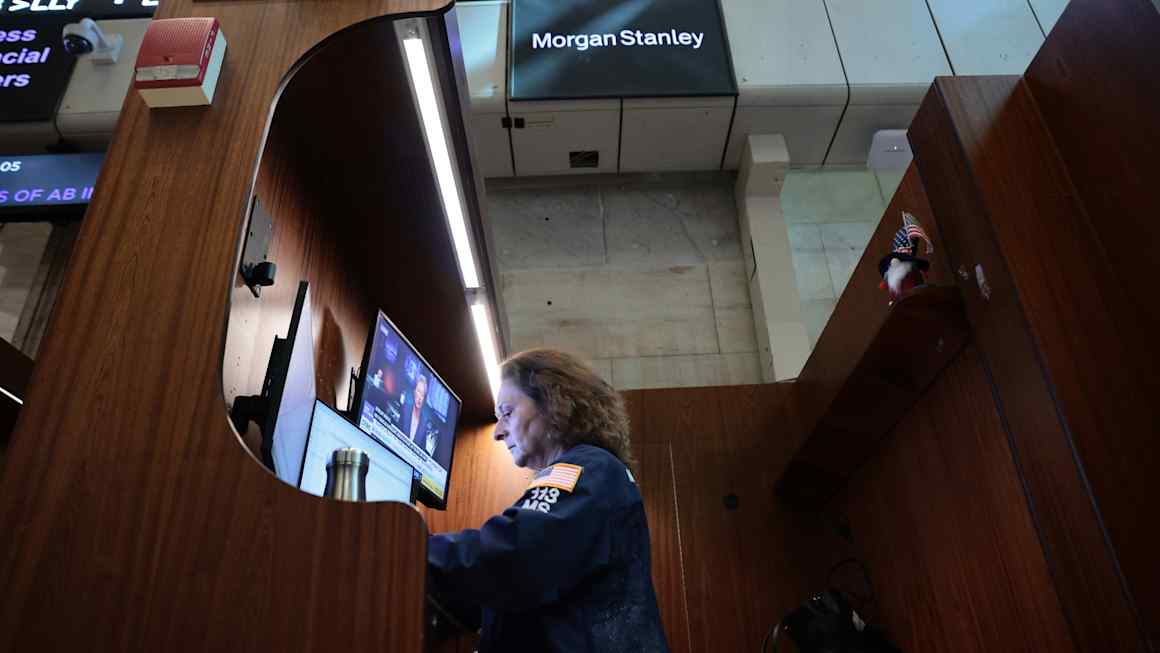
In contrast to China’s judicial interventions, the United States currently lacks comprehensive federal legislation specifically protecting workers from AI displacement. However, a bill introduced in the House of Representatives in early August by Representatives Greg Casar, Valerie Foushee, and Sara Jacobs seeks to address this gap. The AI Tax and Work Protection Act proposes the creation of a Work Protection Administration, funded by taxes on AI companies that would increase with unemployment rates, to create jobs that offset AI-related layoffs.
Despite warnings from industry leaders regarding potential mass displacement, empirical data suggests the labour market remains relatively stable. A July 2026 study by the Stanford Institute for Economic Policy Research found that unemployment among the top 20% of AI-exposed workers has risen by only 0.77% since 2022. While young workers have seen unemployment rates climb to 5.6% in early 2026 from 4% three years prior, the study concluded that AI has not yet caused significant job losses on a broad scale.