China shows no sign of pressure on Iran after Trump summit, France 24 reports
France 24 correspondent Reza Sayah notes Beijing has not demonstrated willingness to influence Tehran’s stance, despite US President Donald Trump’s recent visit.
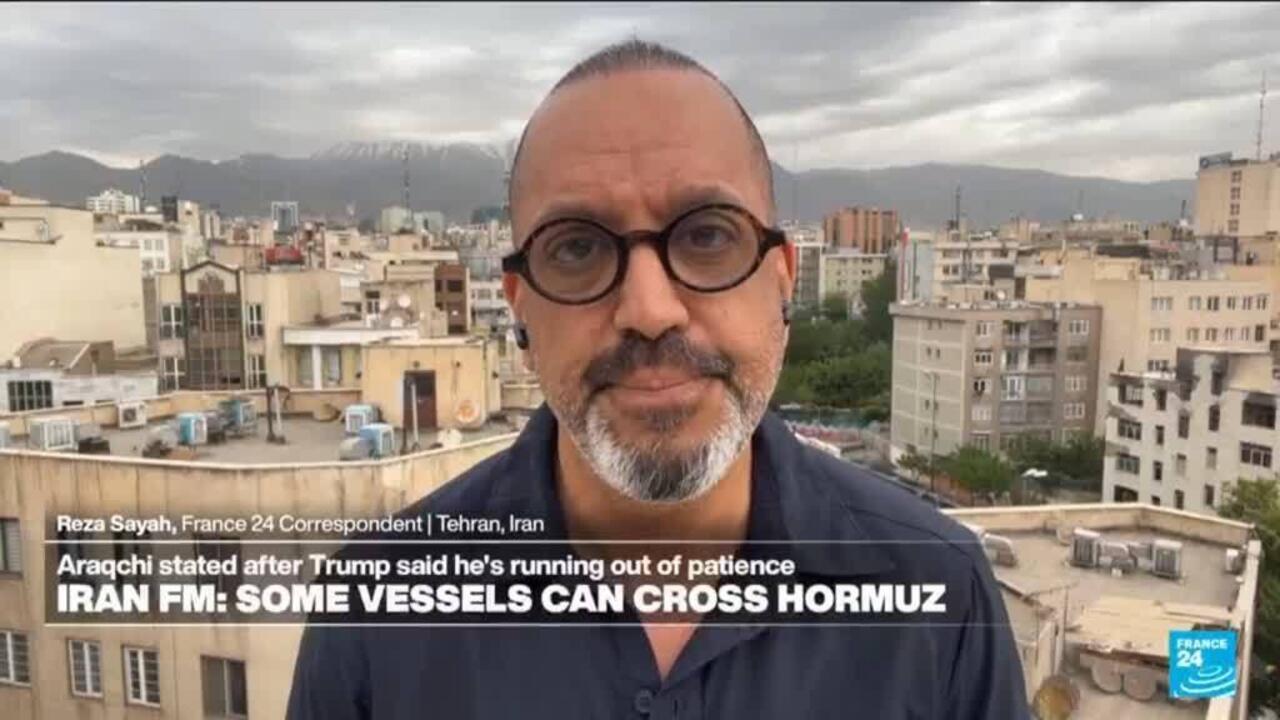
China has displayed no indication of a willingness to pressure Iran following US President Donald Trump’s recent visit to Beijing, according to reporting by France 24. The assessment, attributed to France 24 correspondent Reza Sayah, suggests that Beijing has not altered its strategic posture towards Tehran in the immediate aftermath of the high-level diplomatic engagement.
The report comes in the wake of a summit between Trump and Chinese President Xi Jinping, which focused on trade relations, artificial intelligence, and regional security concerns regarding the Strait of Hormuz. During the talks, Trump stated that Xi had offered assistance in opening the Strait and vowed not to arm Iran. However, the subsequent lack of visible diplomatic pressure from China on Iranian policy indicates a divergence between the stated outcomes of the summit and Beijing’s practical actions.
The diplomatic developments occur against a backdrop of heightened regional instability. The United States State Department recently confirmed a 45-day extension to the ceasefire between Israel and Lebanon, an agreement initially established in April. This extension aims to stabilise the fragile security situation, although Israeli forces have continued operations in southern Lebanon, resulting in further casualties.
Tensions in the broader Middle East have also escalated through accusations between regional actors. Iran has formally accused the United Arab Emirates of acting as an 'active partner' in US-Israeli military operations. This accusation underscores the complex web of alliances and hostilities that characterise the current geopolitical landscape, complicating efforts to de-escalate conflict through external diplomatic channels.
The France 24 analysis highlights the persistent gap between US diplomatic expectations and Chinese foreign policy behaviour. While the Trump-Xi summit addressed critical economic and security issues, the absence of Chinese leverage over Iran suggests that Beijing maintains its independent approach to Middle Eastern diplomacy, regardless of pressure or agreements reached with Washington.