Kremlin confirms Putin’s Beijing summit following stalled US-China talks
The Kremlin announced on Saturday that Vladimir Putin will travel to Beijing on May 19 for a two-day visit, aiming to deepen the comprehensive partnership with China. The diplomatic move comes in the immediate aftermath of US President Donald Trump’s state visit, which concluded with ambiguous trade commitments and no breakthroughs on the conflicts in Ukraine or Iran.
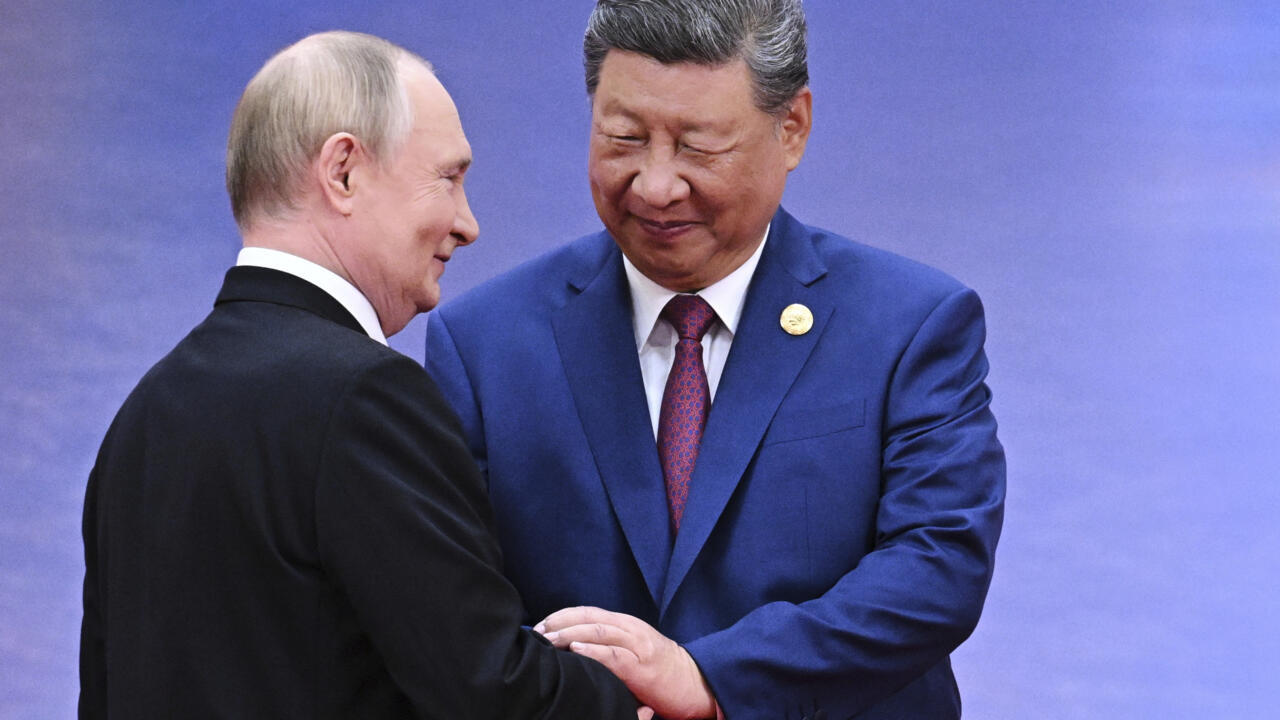
The Kremlin stated that President Vladimir Putin will arrive in Beijing on May 19 for a two-day engagement with Chinese President Xi Jinping. The primary objective of the visit is to further strengthen the comprehensive partnership and strategic cooperation between Moscow and Beijing. During the summit, the two leaders are expected to exchange views on key international and regional issues and conclude their talks with the signing of a joint declaration.
In addition to the presidential talks, Putin is scheduled to hold discussions with Chinese Premier Li Qiang regarding economic and trade cooperation. This diplomatic push by Moscow occurs just days after US President Donald Trump concluded his state visit to China, which ended on Friday. Trump’s trip was characterised by warm diplomatic optics but yielded few resolutions to persistent trade and geopolitical tensions, particularly concerning the Russian war in Ukraine and the US-Israeli conflict with Iran.
Although Trump and Xi discussed the ongoing conflict in Ukraine, which has persisted for more than four years, the US leader departed Beijing without securing a breakthrough. Negotiations to end the fighting, which were being brokered by the United States, have appeared stalled since the outbreak of the US-Israeli war with Iran on 28 February. Prior to Trump’s arrival, Ukrainian President Volodymyr Zelensky had requested that the US leader raise the issue of stopping the conflict during his talks with Xi.
Moscow has firmly ruled out a ceasefire or comprehensive negotiations with Ukraine unless Kyiv accepts the Kremlin’s maximalist demands. China has consistently called for talks to end the fighting but has never condemned Russia for its 2022 invasion. Beijing positions itself as a neutral party, denying the provision of weapons to Moscow and instead blaming Western arms supplies for prolonging the conflict. As the top buyer of Russian fossil fuels, China remains Moscow’s key economic partner following Western sanctions on Russian energy exports.
The diplomatic landscape remains complex following Trump’s visit, where he claimed to have negotiated significant trade deals, including a commitment for Beijing to purchase 200 Boeing aeroplanes and US oil and soybeans. However, details on these commitments were described as vague, and China made no formal announcement regarding any trade agreements. In contrast to Trump’s praise of Xi, Beijing’s response to the summit was muted. Russian Foreign Minister Sergei Lavrov welcomed the US-China summit but asserted that Moscow’s ties with China are deeper and stronger than traditional political and military alliances.