China detains nearly 70 Panamanian-flagged vessels amid regional condemnation of maritime retaliation
Following Panama's Supreme Court annulment of port management contracts, US officials describe the detention of ships as targeted economic pressure designed to politicise global trade
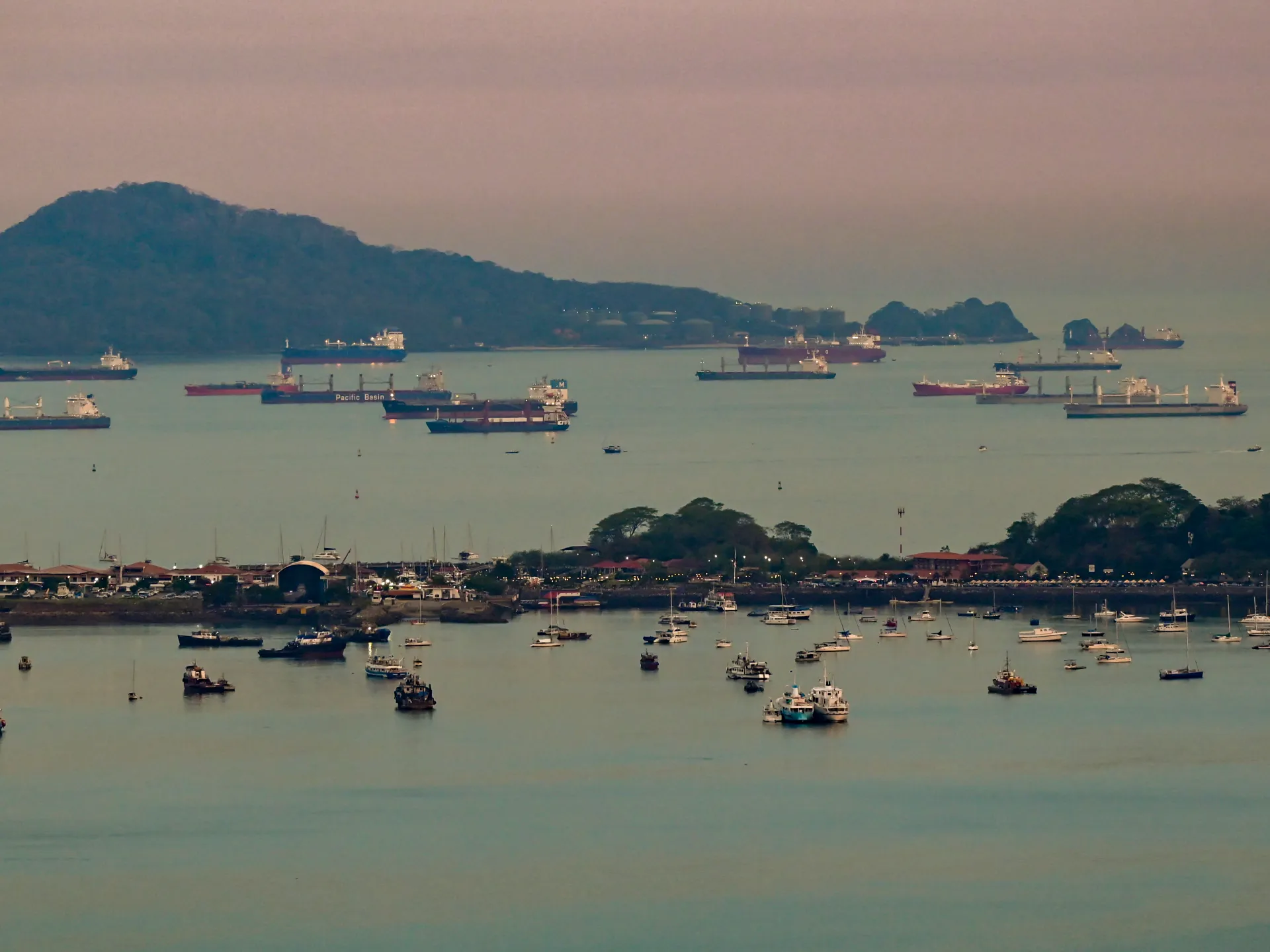
The United States, Bolivia, Costa Rica, Guyana, Paraguay, Trinidad and Tobago, and the United States have issued a joint statement condemning China's detention of nearly 70 Panamanian-flagged ships. This coordinated diplomatic response follows Panama's Supreme Court ruling in late January that annulled contracts allowing a Hong Kong-based subsidiary of CK Hutchison to administer the Balboa and Cristobal port terminals. The court deemed the agreements unconstitutional, a decision China has subsequently challenged through economic measures.
According to the US Federal Maritime Commission, the number of detained vessels represents a figure far exceeding historical norms. Commission head Laura DiBella noted that these intensified inspections were carried out under informal directives, appearing intended to punish Panama following the transfer of Hutchison's port assets. She warned that because Panama-flagged ships carry a meaningful share of US containerised trade, these actions could result in significant commercial and strategic consequences for American shipping.
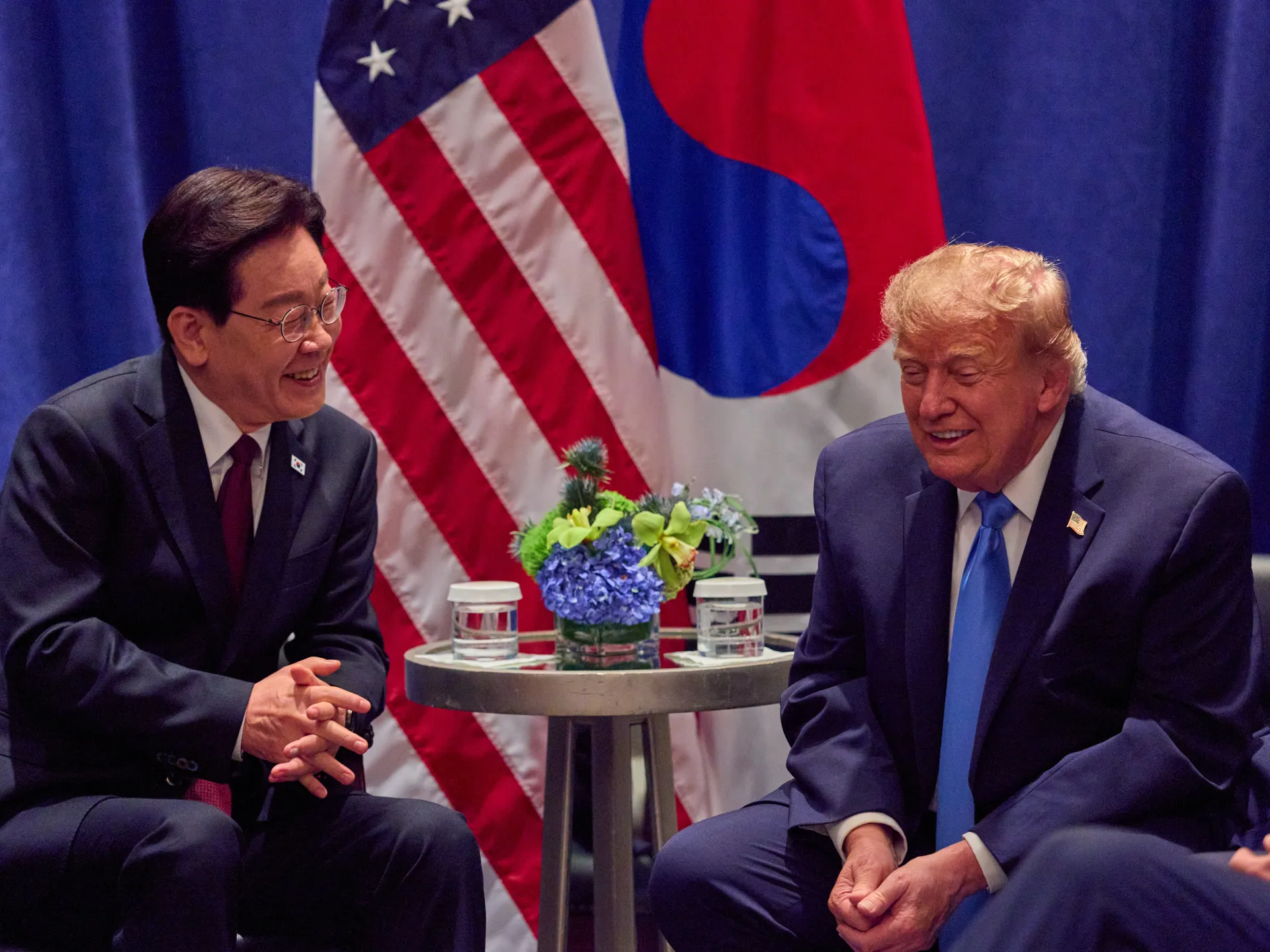
US Secretary of State Marco Rubio expressed deep concern regarding the economic pressure, stating on X that any attempts to undermine Panama's sovereignty constitute a threat to all signatories of the joint statement. The signatories characterised China's move as a blatant attempt to politicise maritime trade and infringe on the sovereignty of nations within the hemisphere. This stance contrasts with China's previous accusations that the United States is bullying Latin America and attempting to smear its reputation in the region.
The dispute has intensified amid heightened media attention surrounding the Panama Canal, particularly following threats by US President Donald Trump to seize the strategic waterway. During his inaugural address in January 2025, Trump alleged that China was operating the canal and pledged to take back control. In response to the Panamanian Supreme Court ruling, which China described as absurd and shameful, Chinese authorities have also summoned representatives of shipping giants Maersk and the Mediterranean Shipping Company for high-level discussions after their subsidiaries were granted contracts to administer the terminals.
Further complicating the situation, Chinese shipping giant COSCO has suspended operations at the Balboa terminal. Meanwhile, CK Hutchison, through its Panama Ports Company subsidiary, is pursuing international arbitration against the Panamanian government, seeking more than $2bn in damages. The Federal Maritime Commission reported that Chinese authorities detained the vessels in March, a timeline that aligns with the suspension of operations and the escalation of diplomatic tensions.
Academic analysis suggests this event highlights a broader trend where states are increasingly using shipping lanes as political leverage. David Smith, an associate professor at the University of Sydney's US Studies Centre, noted that container ships are becoming pawns in international politics, with states recognising how vulnerable shipping is and their ability to cut off shipping lanes if necessary. The situation underscores the growing intersection between maritime logistics and geopolitical strategy.