China debates whether English should remain a core school subject
A proposal to remove English from graded core subjects has exposed competing arguments over resources, opportunity and China’s global engagement.
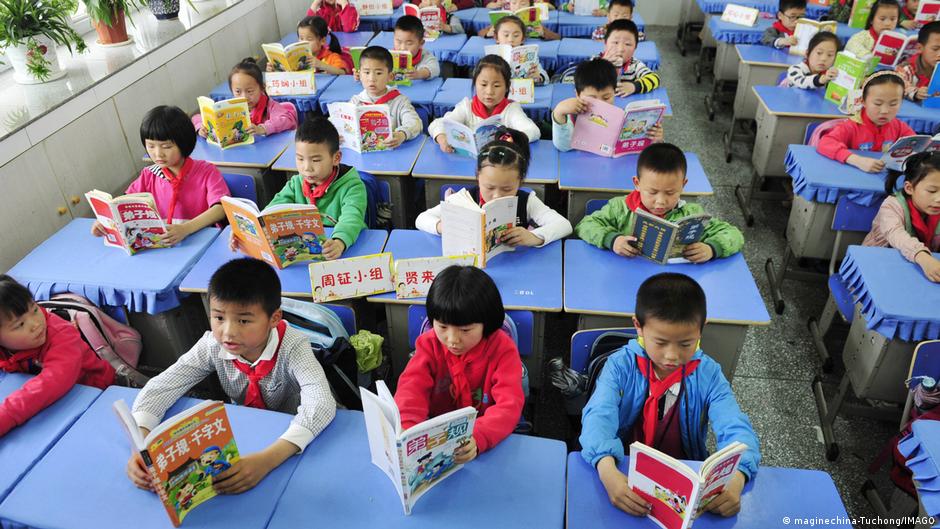
China is debating whether English should remain a graded core subject in primary schools, secondary schools and universities, after mathematics professor Tang Jiafeng called for it to be treated as a practical tool instead.
Tang argues that English consumes substantial time and resources from children, parents and schools, including through private tutoring focused on examination questions. English is reportedly compulsory from third grade and assessed alongside Chinese and mathematics in major examinations, with up to 150 points available in the high school graduation examination.
The proposal has drawn opposition from Hu Xijin, former editor-in-chief of the state-run Global Times, who argues that foreign-language skills support international connections and access to the wider world. Hu has also said English as a core subject can promote equal opportunity by giving students in rural areas access to the language.
The debate also touches on higher education and research. Bachelor’s students must pass an English examination before entering master’s programmes, according to Deutsche Welle, while research in future-oriented fields is typically published in English. Critics of the current system argue that language requirements could disadvantage students with strong potential in the natural sciences, though such claims remain part of the debate.
Beijing Foreign Studies University has responded to changing employment expectations with a “foreign language plus major” model, combining English with fields including law, information technology and economics. The discussion remains a public debate over education policy; no national change to English requirements has been confirmed.