China codifies exit restrictions in new border regulations
New rules, effective September 15, grant border officials explicit authority to deny departure for national security reasons and impose bans of up to three years, prompting warnings from legal experts about reduced judicial oversight.
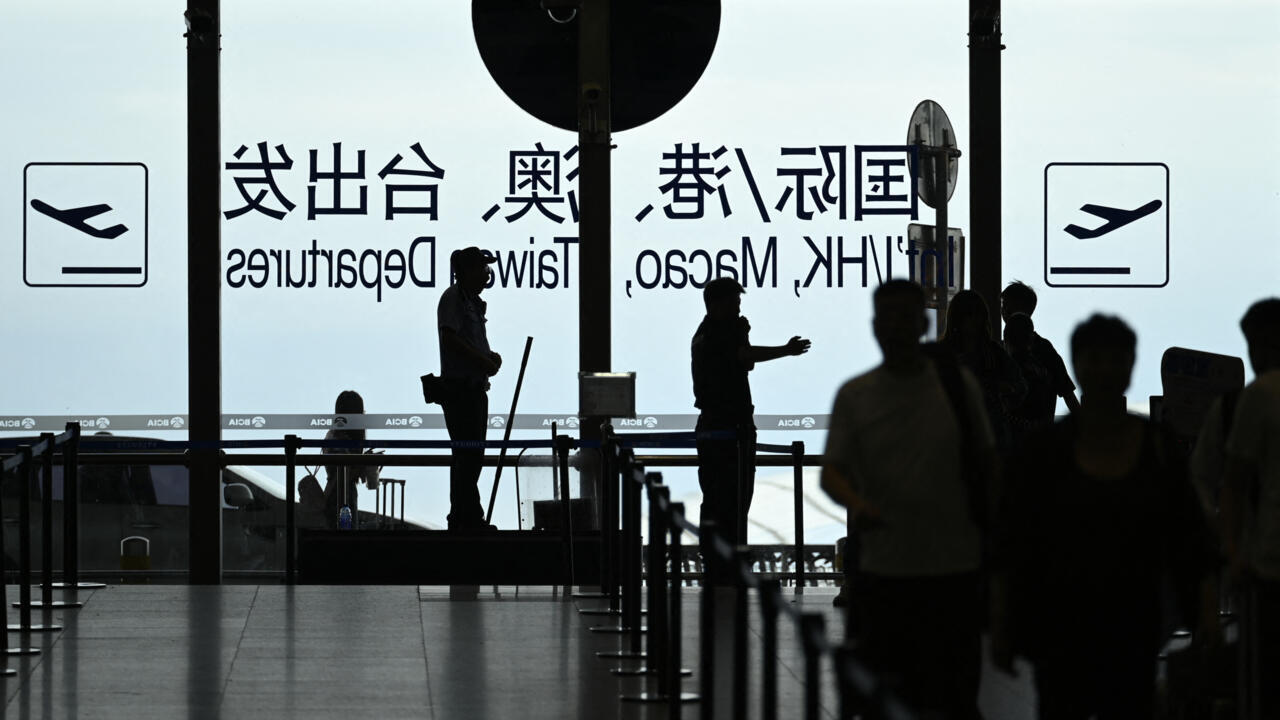
The Chinese government has announced new border regulations that significantly tighten checks on travellers and expand the grounds for restricting citizens from leaving the country. Published by the State Council on July 31, the measures take effect on September 15 and are designed to preserve national sovereignty and interests by granting border control officials explicit authority to require additional information regarding travel purposes.
Under the new rules, individuals who provide false documents or statements can be prohibited from entering or leaving the country. Chinese nationals who have acquired travel documents by deceit or engaged in illegal entry or exit face exit bans of between six months and three years. These bans also apply to citizens involved in activities that threaten national security or industrial security abroad, including violations of technology import and export regulations.
Legal experts and analysts have warned that the regulations formalise existing discretionary powers rather than creating entirely new ones. Henry Gao, a law professor at Singapore Management University, described the move as a transformation of the right to leave into a privilege granted at the state’s discretion. He noted that while the rules consolidate long-standing enforcement practices, they provide an explicit written basis for actions that previously relied on ambiguity and case-by-case approval.
Christopher Nye and Charles Sun of the Jamestown Foundation highlighted that the standardisation of enforcement lowers the administrative cost for border officers, who now have express authority to assess the truthfulness of a traveller’s stated purpose. They cautioned that this specificity reduces avenues for judicial review, as authorities can prohibit departure on national security grounds without providing detailed reasons, leaving affected individuals with limited remedies beyond opaque administrative channels.
The measures also extend Beijing’s extraterritorial influence, with experts suggesting that Chinese nationals engaging in legal advocacy abroad could face sanctions upon return. Furthermore, the regulations introduce visa entry bans of one to five years for foreign nationals providing false information. This has raised concerns for Taiwanese citizens, with Taiwan’s Mainland Affairs Council warning that the rules are abstract and open to interpretation, noting that 416 Taiwanese citizens remain stuck in China as of mid-August.