China and Qatar deepen ties as Iran conflict tests regional diplomacy
Beijing and Doha agreed to expand economic cooperation and coordinate diplomatic efforts to ease tensions involving Iran.
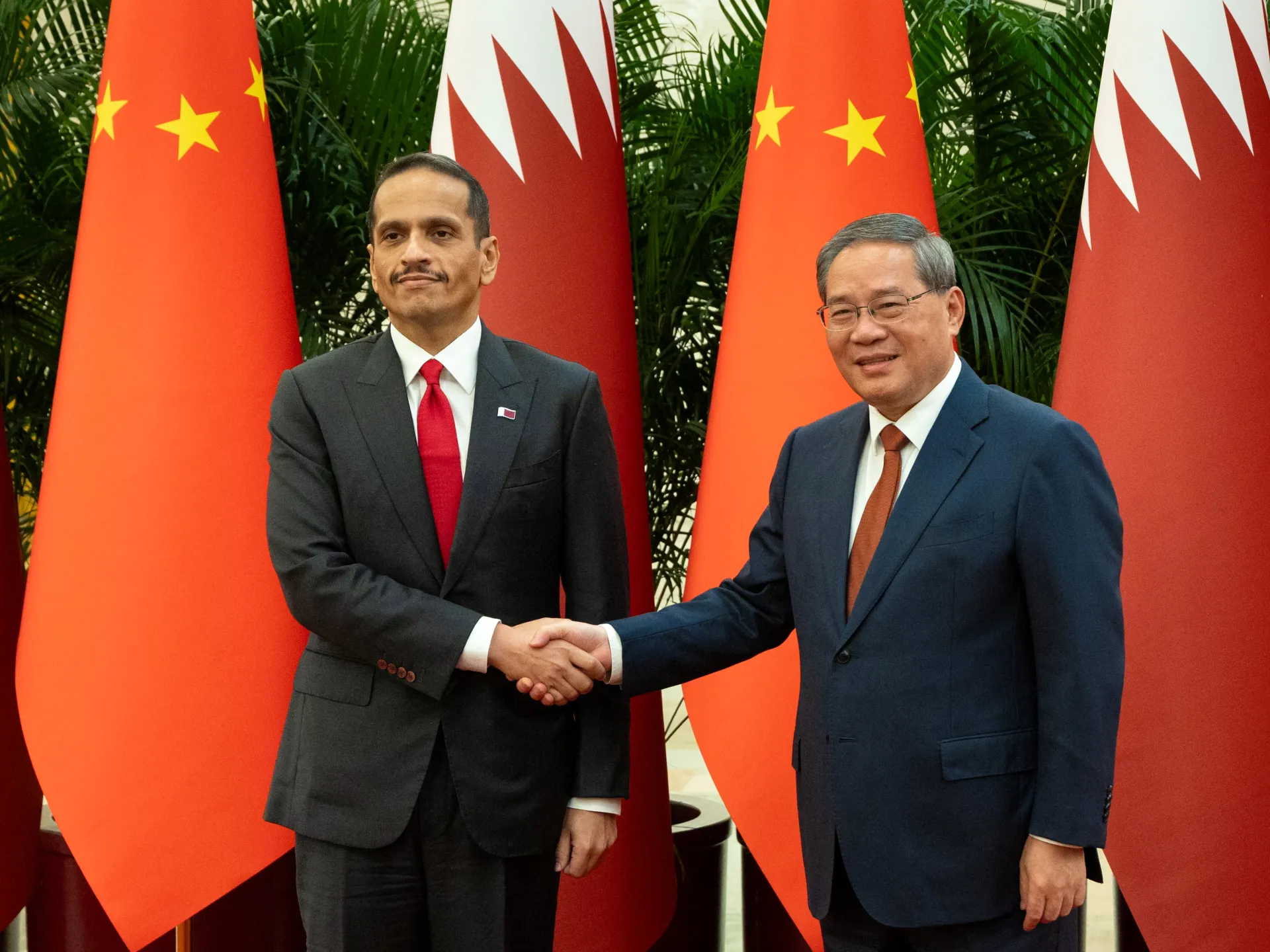
China and Qatar have agreed to broaden cooperation in energy, investment and advanced technologies, while increasing communication over diplomatic efforts to restore regional stability.
The commitments followed a two-day visit to China by Qatari Prime Minister Mohammed bin Abdulrahman Al Thani. Officials described the relationship as entering a new “golden decade”, with discussions covering infrastructure, artificial intelligence, finance and advanced manufacturing.
According to Al Jazeera, Beijing pledged closer coordination with Doha as Qatar continues mediating between Tehran and Washington. The available material does not detail concrete initiatives to end hostilities or establish how far China will use its influence to pressure Iran.
The relationship is anchored by energy and trade. China was Qatar’s largest trading partner last year, with bilateral trade reported at $23.8 billion. Qatar supplied China with 19.4 million tonnes of liquefied natural gas in 2025 and has long-term supply agreements with Chinese energy companies.
The two governments also share an interest in stability around the Strait of Hormuz, a major route for oil and LNG shipments. But their approaches to Tehran differ: China maintains strong economic and diplomatic ties with Iran, while Qatar has publicly condemned attacks on its territory and neighbouring Gulf states.
The closer coordination does not amount to a replacement for Qatar’s longstanding security partnership with the United States. It positions China as an additional political and economic actor as Doha seeks diplomatic options and both countries manage the regional and commercial risks posed by the conflict.