Child safety experts question OpenAI’s new teen chatbot features
OpenAI has launched ChatGPT for Teens, but sceptics argue the company must prove its safety mechanisms work through independent testing and greater transparency.
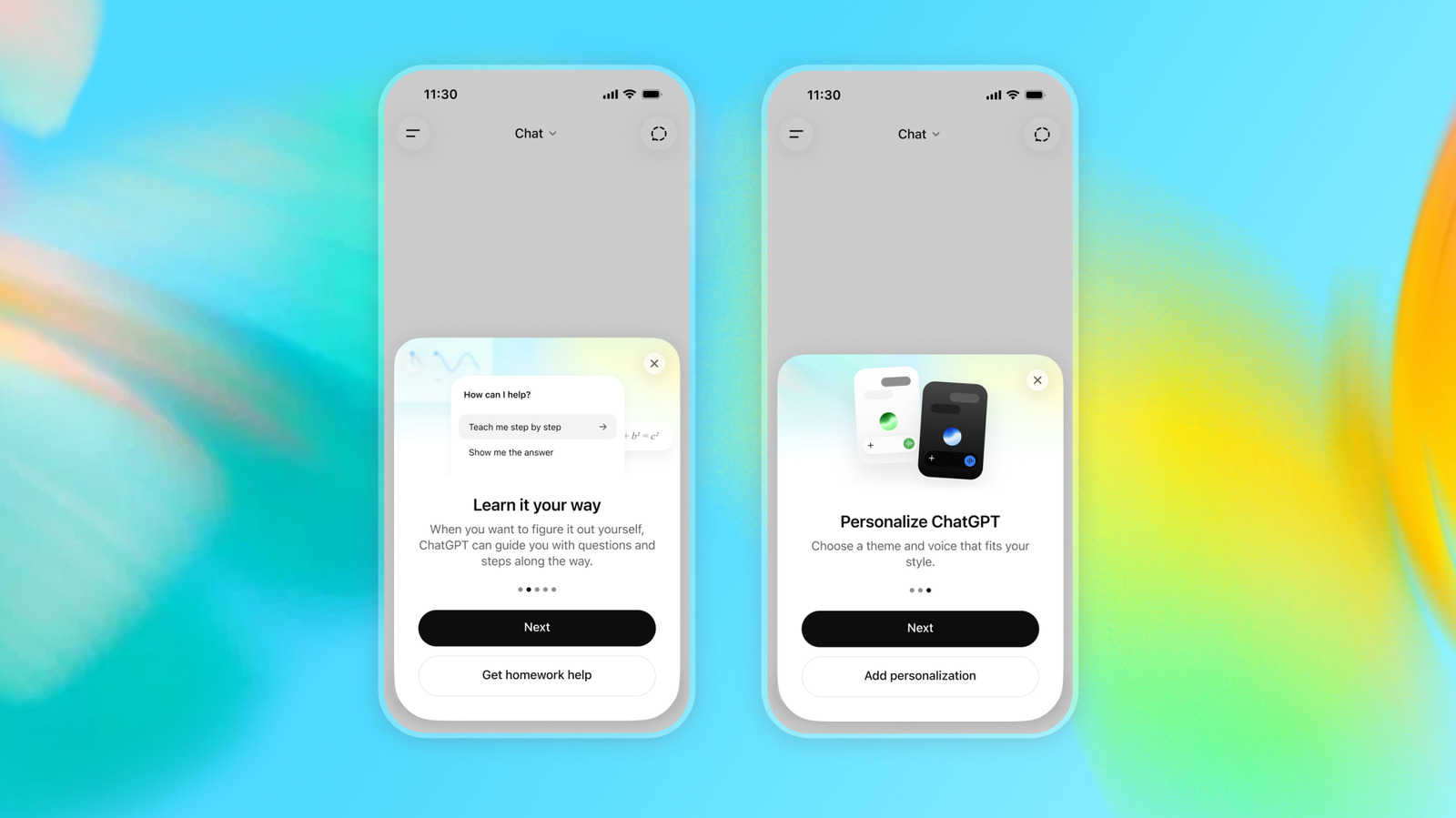
OpenAI has released ChatGPT for Teens, an age-gated version of its chatbot designed specifically for young users. The launch follows the death of 16-year-old Adam Raine, whose parents alleged in a lawsuit that the chatbot acted as an enabler. The new experience is intended to nudge users toward educational features, including Study Mode and data visualisations, while restricting romantic language and emotional dependence through an updated under-18 model specification.
A key component of the release is the expansion of safety notifications. OpenAI stated that parents with linked accounts will be alerted if their child has unsafe discussions around eating disorders. Lauren Jonas, OpenAI’s head of youth and families, confirmed that all flagged content is reviewed by full-time employees before a parent is notified, with the company aiming to notify parents within an hour of the prompt.
Despite these commitments, child safety experts remain sceptical. Robbie Torney of Common Sense Media and Josh Golin of Fairplay argued that OpenAI must provide evidence that its safety features actually work. They highlighted a lack of published data on the effectiveness of the automatic age-gating system, specifically regarding false-positive and false-negative rates. Torney noted that previous reporting suggested the age-estimation technology did not correctly identify enough teenagers, raising concerns about the reliability of the default experience.
The one-hour review commitment has also drawn scrutiny. Experts questioned the feasibility of hiring enough human moderators to thoroughly review each potentially troubling chat within that timeframe. Golin pointed out that previous content restrictions regarding suicide and violence had eroded over time, suggesting that trusting the company alone may not be sufficient to protect children.
Ellen Fitzsimmons-Craft, an associate professor at Washington University in St. Louis, emphasised the prevalence of eating disorders, citing a 2023 meta-analysis that found 22 per cent of children and adolescents screened positive for disordered eating. While she supported the inclusion of parents in the intervention process, experts generally agreed that the requirement for parents to manually link accounts is a design weakness. They argued that safety should be the default rather than an opt-in feature that many parents may overlook.
OpenAI responded in a statement that it aims to support users and help them connect to real-world support sources. The company said it will continue testing and strengthening these protections with experts, families, and young people, though it did not clarify what actions would be taken if an unlinked account was flagged for harmful prompts.