ChatGPT gains the ability to read and send iMessages on Mac
OpenAI has released a plugin for the Apple Messages app, enabling ChatGPT Work and Codex users to search, draft, and send iMessages. The integration requires significant privacy permissions, raising questions about the relationship between the two companies.
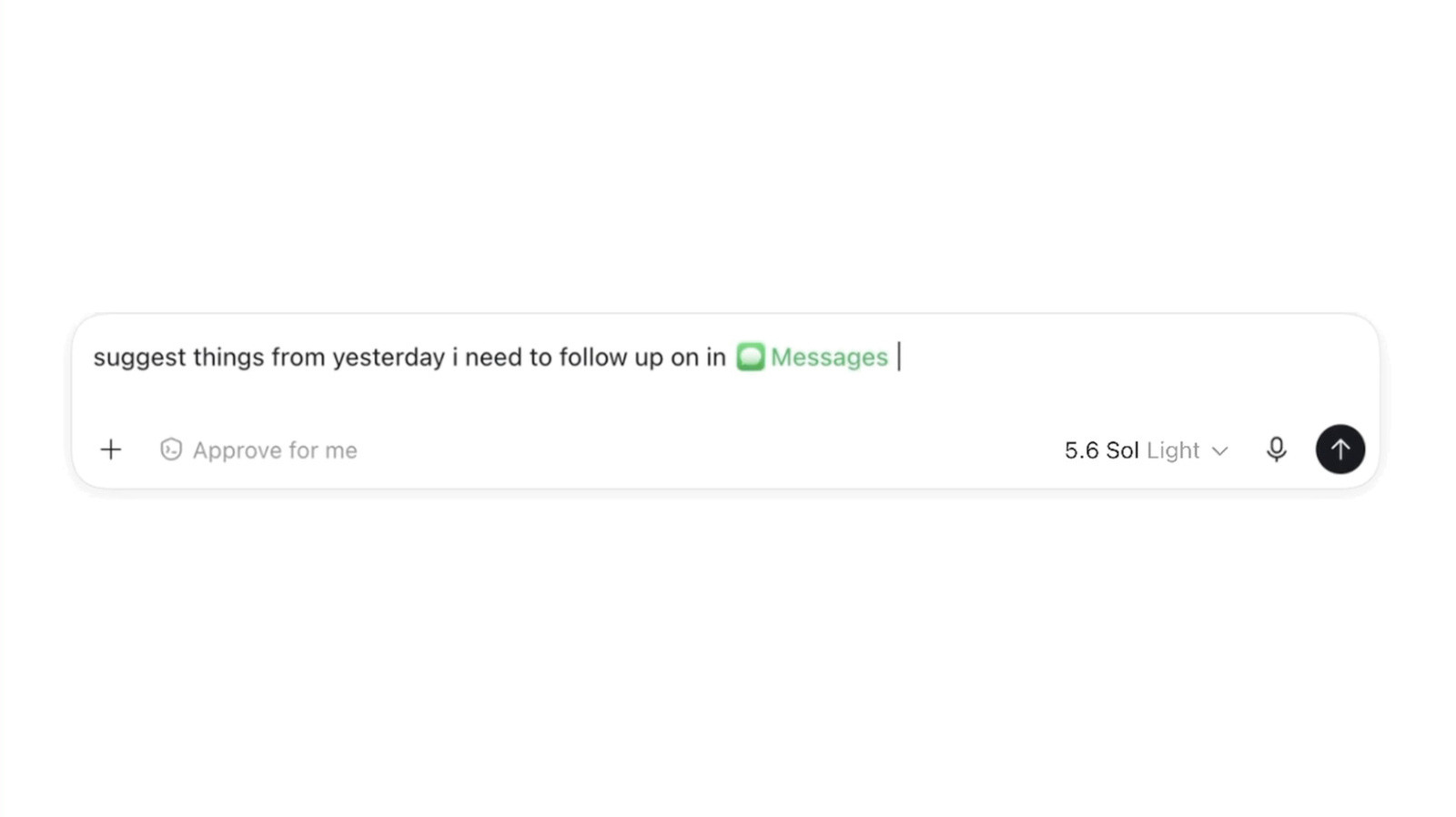
OpenAI has launched a new plugin for the Apple Messages app, allowing ChatGPT Work and Codex users on Mac to interact directly with their iMessages. The feature enables users to search their message history and use the chatbot to draft and send replies from their desktop. In an example provided by OpenAI, a user asked ChatGPT to identify conversations they had missed the previous day, before using the assistant to compose and dispatch a response.
The integration is designed to be opt-in, though it requires users to grant several specific permissions for the plugin to function. According to Bloomberg, users must allow ChatGPT to access their Mac’s on-device Messages history during the setup process. They are also prompted to adjust their privacy preferences in Mac’s System Settings to grant ChatGPT Full Disk Access. Additionally, the chatbot requires access to the names of the user’s contacts and to automation tools.
While the process involves multiple steps, Bloomberg notes that the feature could raise privacy and security concerns due to the extent of the permissions required. The requirement for Full Disk Access represents a significant concession, even if the installation is not accidental. It remains unclear whether OpenAI worked directly with Apple to develop the plugin, given the historical friction between the two companies regarding third-party access.
Apple has a history of restricting access to its services for third parties that do not receive explicit permission. In 2024, for instance, Apple repeatedly disabled the iMessage integration for the Beeper Mini chat app until Beeper stopped rolling out fixes that re-enabled the connection. This precedent suggests that the current integration may have been developed with a degree of cooperation, although no official confirmation has been provided.
The release comes at a time of notable tension between Apple and OpenAI. In July, Apple sued OpenAI, alleging trade secret theft. The iPhone maker claimed that OpenAI specifically hired its employees away with the purpose of obtaining confidential company information. This legal dispute adds a layer of complexity to the new technical partnership, which sees one of Apple’s core communication features being controlled by a rival AI provider.
For investors and institutions, the move highlights the expanding reach of AI assistants into personal digital ecosystems. By integrating with iMessage, OpenAI is embedding its technology deeper into the daily workflow of Mac users, potentially increasing the value of its ChatGPT Work and Codex subscriptions. However, the privacy implications and the ongoing legal battle with Apple remain key variables to watch.