Chad imposes sand extraction ban on Chari River amid livelihood concerns
The government’s decision to halt mining activities along the capital’s riverbanks has triggered controversy as thousands of locals rely on the industry for income.
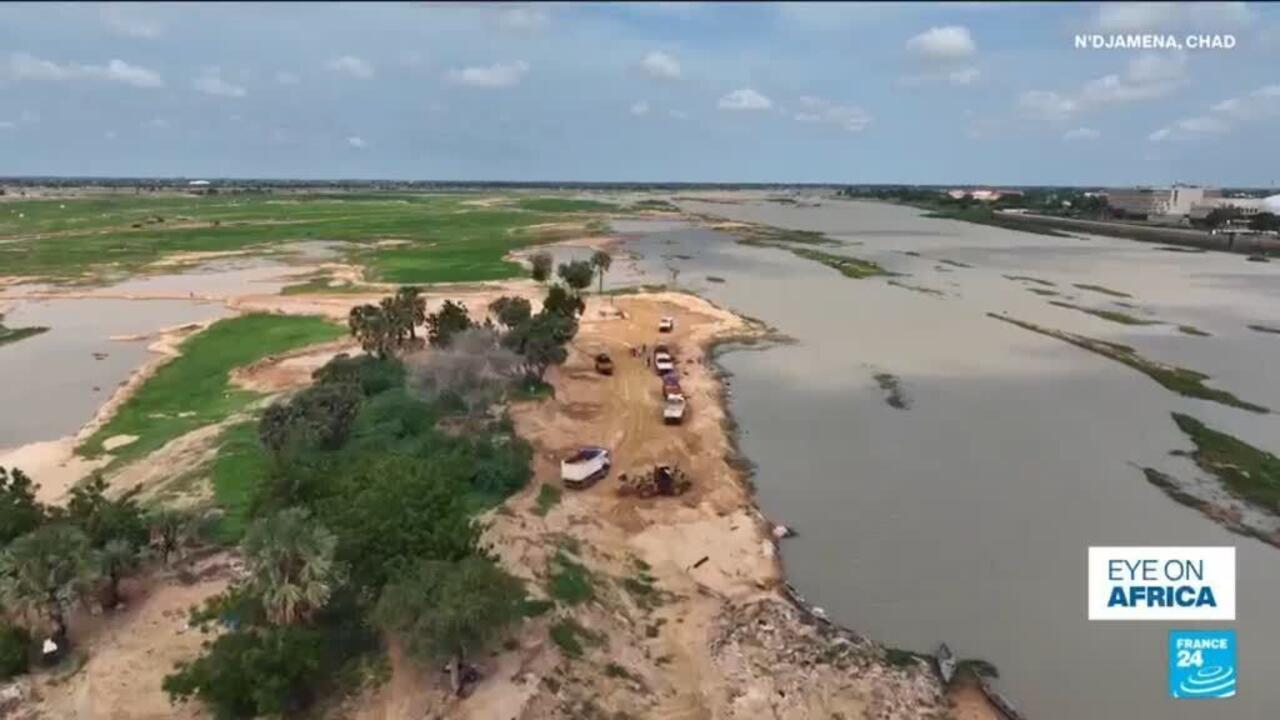
Chad’s Ministry of Mines has implemented a ban on sand extraction along the Chari River, with specific enforcement around the capital city of N’Djamena. The regulatory move is designed to mitigate environmental degradation and protect local wildlife following years of intensive mining activity that has significantly impacted the river’s ecosystem.
The Chari River has suffered considerable environmental damage in recent years due to unregulated and heavy sand mining operations. Authorities have determined that the cumulative effect of these activities has badly affected the waterway, prompting the state to intervene with a direct prohibition on the practice in the affected zones.
The decision has generated immediate controversy within the capital. Sand extraction serves as a primary source of income for a substantial portion of N’Djamena’s population, with thousands of residents depending on the industry for their livelihoods. The abrupt nature of the ban has raised concerns regarding the economic stability of those directly involved in the mining sector.
While the Ministry of Mines has prioritised ecological preservation and wildlife protection, the policy shift places significant pressure on communities that have relied on the river’s resources for economic survival. The tension between environmental governance and local economic dependence remains a central point of contention following the announcement.
The specific timeline for the enforcement of the ban has not been detailed in official statements. Furthermore, the potential legal or social repercussions for communities affected by the restriction have not been specified by the government, leaving the long-term impact on the region’s social fabric uncertain.