Ceuta’s Reception Crisis: Overcrowding and Safety Risks for Unaccompanied Minors
With thousands of children living in makeshift conditions and reports of rising sexual violence, Ceuta’s leadership describes the situation as the worst in the city’s history, while mainland transfer plans stall due to political resistance.
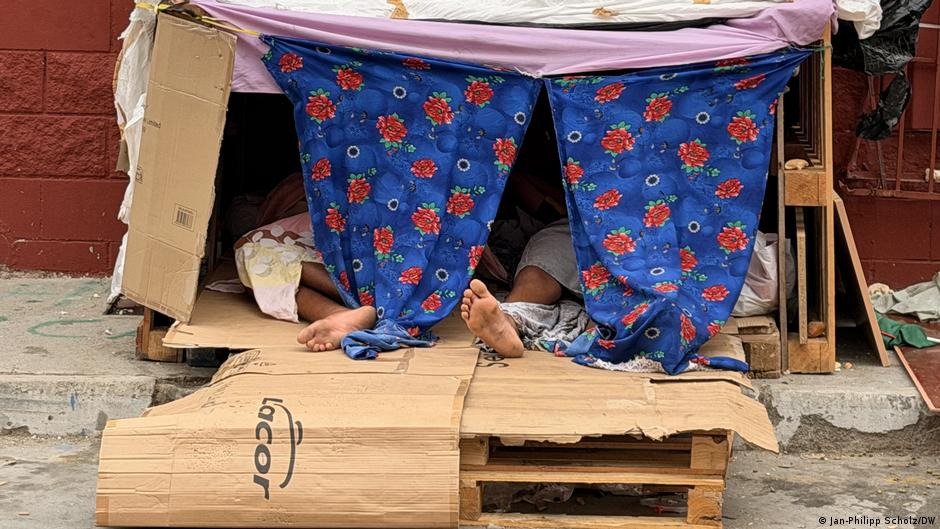
Reception facilities in the Spanish enclave of Ceuta are operating at 5,000 per cent over capacity, leaving an estimated 3,000 to 5,000 unaccompanied minors living on the streets. Following a mass border crossing in late July that saw approximately 9,000 people remain in the enclave, local authorities report widespread illness, inadequate sanitation, and a sharp increase in sexual assaults against young girls.
Ceuta’s president, Juan Jesus Vivas, has characterised the situation as a high-risk scenario and the worst in the city’s history. He stated that the current infrastructure cannot adequately care for the influx of minors, urging the central government in Madrid to initiate appropriate legal proceedings. Vivas suggested that minors should either be reunited with their families or handed over to Moroccan social services as the only viable solution.
The humanitarian conditions in areas such as the Tarajal industrial park are severe, with children sleeping in makeshift cardboard tents under dirty blankets. Health officials note a significant gender imbalance among the migrants, which has exacerbated safety concerns. Nabila Benzina, the regional minister for health and social affairs, called for increased police presence to protect young women and the general population, citing the urgent need for security in the overcrowded camps.
Police are currently investigating at least 15 suspected cases of rape, though local authorities believe the actual figures are significantly higher. Susana Ascaso, an emergency doctor at Ceuta University Hospital, reported treating young girls who had been harassed or touched inappropriately by other migrants. She highlighted that girls under 18 are particularly vulnerable, with one 12-year-old patient arriving at the emergency room in tears after being saved from harassment on the street.
The Spanish government has announced plans to transfer unaccompanied minors to the mainland, but the initiative faces substantial political hurdles. Regions governed by the far-right Vox party have refused to accept migrants, delaying the relocation process. Despite the harsh conditions and lack of basic amenities, such as functional toilets, many minors express a desire to remain in Europe, citing hopes for a better future and education.