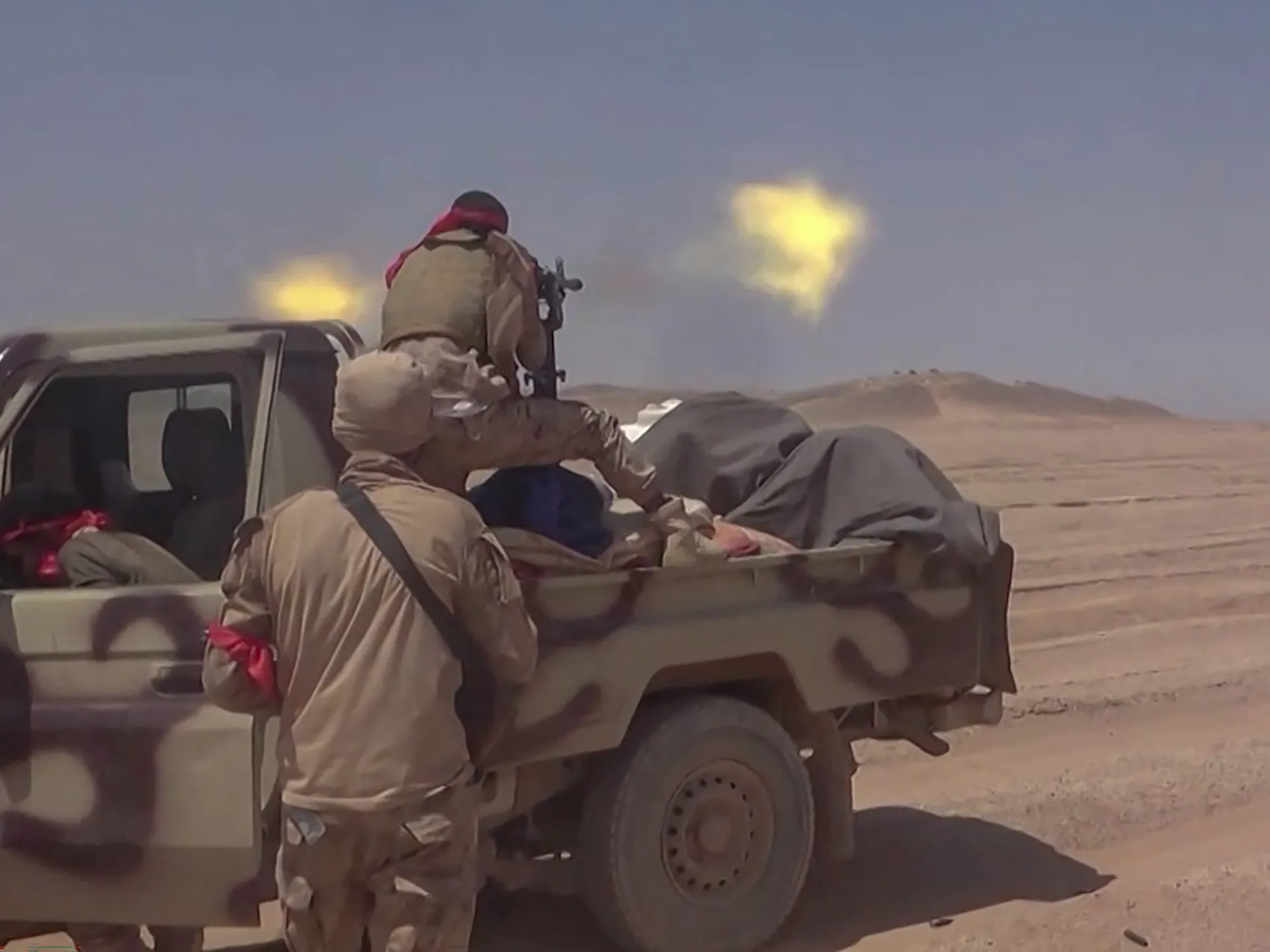
Ceuta crisis: Legal barriers stall repatriation of unaccompanied Moroccan minors
Spain’s allocation of €25 million is strained by legal requirements for individual case assessments, leaving thousands of minors in precarious conditions in Ceuta.
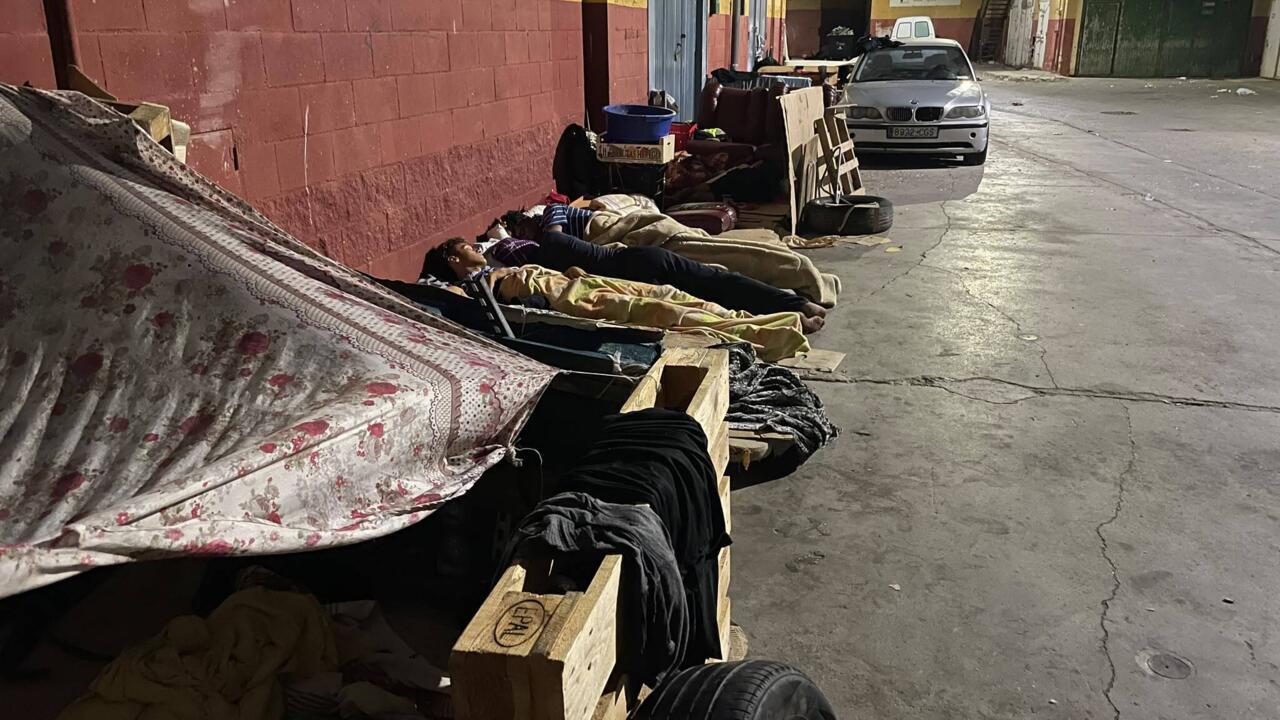
The Spanish government faces a significant administrative and humanitarian challenge in Ceuta, where approximately 2,500 unaccompanied Moroccan minors remain on the streets following mass arrivals in late July 2026. While Madrid has allocated €25 million to address the crisis, the response is hampered by legal restrictions that prohibit the collective repatriation of unaccompanied minors. Consequently, each case requires individual assessment, a process that has resulted in a backlog of registrations and prolonged uncertainty for the youths.
Discrepancies in official figures complicate resource allocation. The Spanish government estimates that around 2,500 minors are currently on the streets, while local non-governmental organisations estimate the total number of minors in Ceuta to be nearly 4,000. Save the Children reports that only about 1,500 of these minors are currently under the care of child protection services. Spanish Minister for Territorial Policy Angel Victor Torres stated that approximately 1,400 minors have been registered so far, highlighting the gap between those in the formal system and those remaining in informal settlements.
The minors are primarily sleeping in the Tarajal industrial zone, where conditions are characterised by a lack of sanitation and exposure to the elements. Residents report having no access to toilets, forcing them to use seawater for washing and relieving themselves near the coast. The absence of adequate hygiene facilities has led to health complications, including infections and scabies. On 12 August, two minors collapsed in the zone; one due to heat and dehydration, and the other due to untreated tonsillitis, underscoring the urgency of medical intervention.
Security concerns have further destabilised the situation. Minors have reported armed attacks in the El Principe neighbourhood, including fatalities and injuries. Some youths have stated that they left official protection centres due to reported violence, preferring to sleep outdoors. Save the Children’s programme director in Spain, Raul Arnaiz, described the situation in the Tarajal warehouses as a tragedy of extreme poverty, warning that the lack of nighttime surveillance exposes the minors to risks of sexual assault and exploitation.
Both Spanish and Moroccan authorities have expressed a desire to prioritise family reunification and repatriation. However, immigration lawyer Basem Salem noted that Spanish law mandates that the identity, situation, and family circumstances of each minor be verified individually to respect legal safeguards and the best interests of the child. This procedural requirement prevents automatic repatriation, leaving the minors in a state of limbo while awaiting their individual assessments.
To address the distribution of responsibilities, Spain’s Ministry of Youth and Children is scheduled to hold a conference in late August. The meeting will examine how to allocate resources and duties between the central government and local authorities in Ceuta. Moroccan Justice Minister Abdellatif Wahbi has stated that helping these children is a priority for Rabat, with consulates assisting in facilitating the process.