Centenary of Lebanon conflict marks deepening territorial occupation and diplomatic stalemate
As Israel’s second military campaign against Lebanon reaches its fourth month, displacement figures surpass 1.2 million and diplomatic efforts remain fractured by conflicting ceasefire conditions.
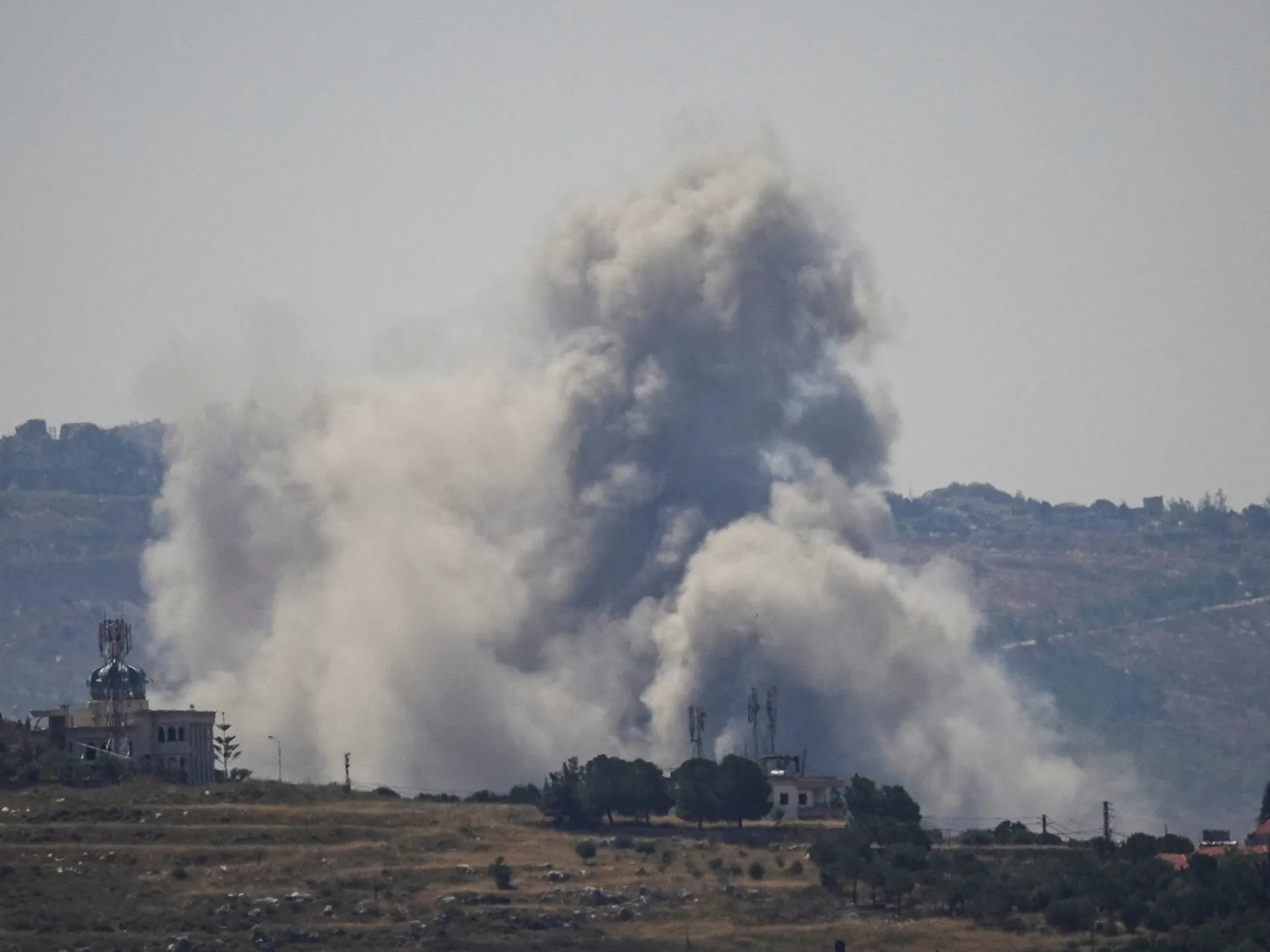
Israel’s second military intensification against Lebanon has reached its 100th day, commencing on 2 March 2026 following rocket fire by Hezbollah. Israeli forces have occupied approximately 2,000 square kilometres of southern Lebanon, marking the deepest incursion since 2000 and displacing at least 1.2 million people. The conflict has resulted in over 3,600 deaths, including 245 children, and 11,000 injuries, according to Lebanon’s Ministry of Public Health.
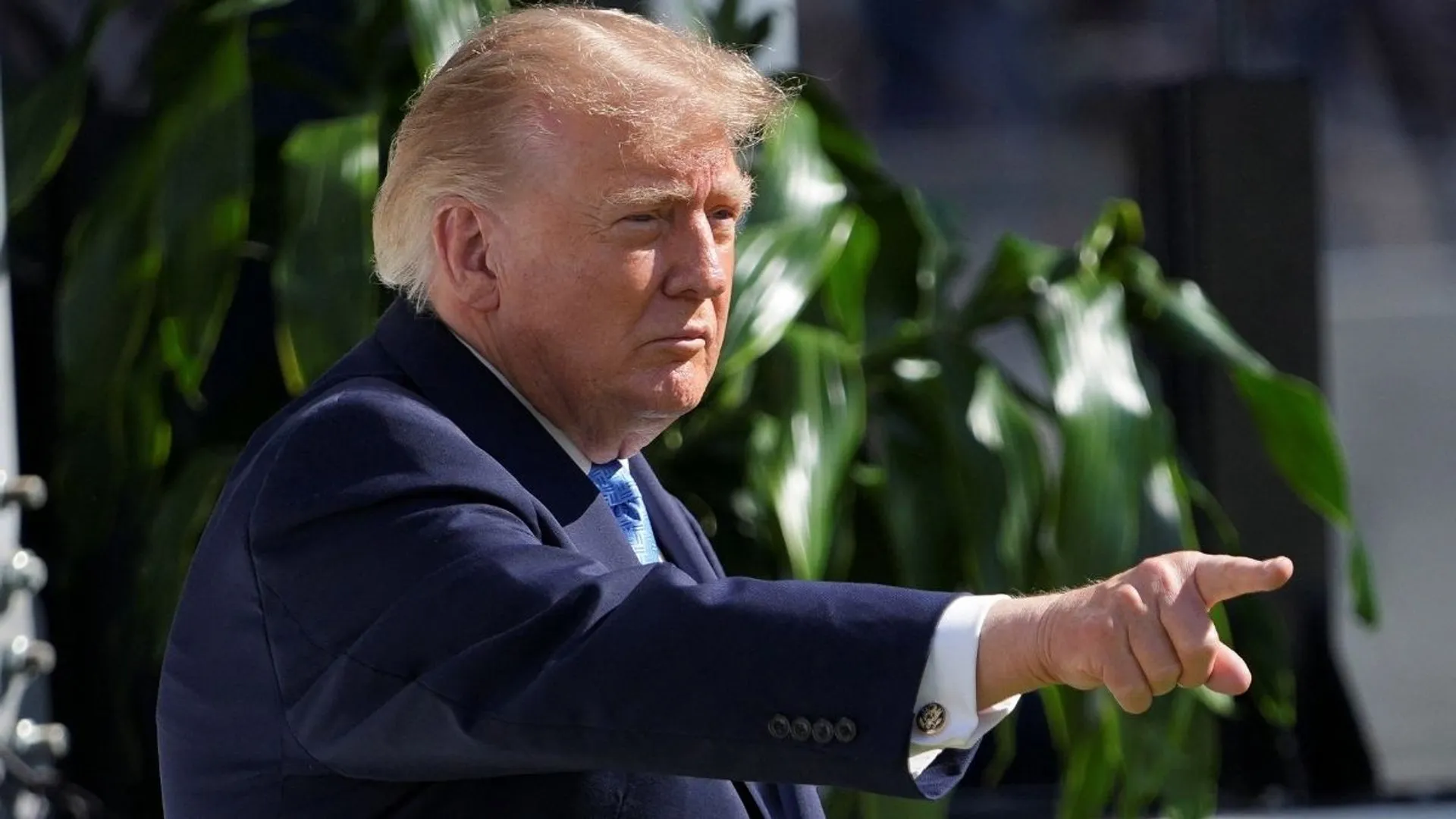
Despite direct diplomatic talks between Israel and Lebanon, and a ceasefire declaration by US President Donald Trump on 16 April, fighting continues. Hezbollah has rejected recent ceasefire proposals, while Iran seeks to link the conflict to broader negotiations with the US and Israel. The Lebanese government has declared Hezbollah’s military activities illegal but faces pressure to enforce authority while relying on US diplomatic engagement.
Israeli officials have indicated plans for indefinite occupation, with Defence Minister Israel Katz stating troops will occupy up to the Litani River. Finance Minister Bezalel Smotrich has called for the annexation of southern Lebanon and the declaration of the Litani as Israel’s new northern border. This contrasts with the 2024 incursion, which was limited in scope and duration.
Hezbollah has adopted guerrilla tactics, utilising fibre-optic drones to wear down Israeli forces. The group’s secretary-general Naim Qassem labelled a ceasefire agreement announced on 3 June as a “roadmap to annihilate part of the Lebanese people.” Iran has pledged to link any ceasefire deal with the United States and Israel to the situation in Lebanon, complicating diplomatic resolution.
The Lebanese government, under President Joseph Aoun, has tied its reputation to US efforts, stating it has no choice but to count on President Trump and his team to make a breakthrough. However, the persistence of hostilities and the scale of displacement underscore the fragility of the current diplomatic landscape.