Ceasefire tested as Israeli strikes kill nine in Lebanon amid Washington talks
Israeli strikes in southern Lebanon killed at least nine people, including two paramedics, while Hezbollah fired rockets into northern Israel, complicating US-brokered negotiations in Washington.
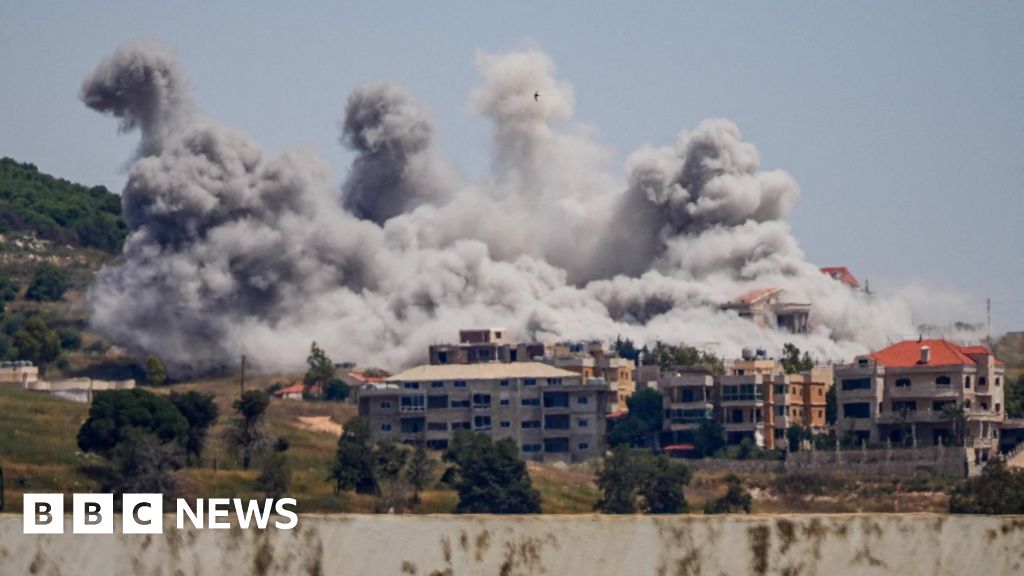
Israeli strikes killed at least nine people in southern Lebanon on Wednesday, including two paramedics, as the Iran-backed armed group Hezbollah fired rockets into northern Israel, testing a partial ceasefire agreed on Monday. The incidents occurred during a second day of diplomatic talks in Washington between Israeli and Lebanese diplomats, aimed at strengthening the deal which involves Israel refraining from bombing Beirut in exchange for Hezbollah halting attacks on Israel.
Lebanon’s health ministry reported that the dead included two paramedics whose ambulance was hit in a strike in the southern Chehour area, as well as four Syrians and two Palestinians killed in a separate strike in the al-Housh area, south of Tyre. The ministry accused the Israeli military of demonstrating contempt for international humanitarian law by targeting medical personnel, noting that at least 128 paramedics and healthcare workers have been killed in Israeli attacks on ambulances and medical facilities over the past three months.
The Lebanese army stated that one of its soldiers was killed and two others injured in separate Israeli strikes on army vehicles and positions in the Nabatieh region. Security sources told Reuters that two people were injured in an Israeli strike on a car in the Khaldeh area, just south of Beirut, marking the closest strike to the capital since the ceasefire announcement.
Hezbollah said it targeted a gathering of Israeli troops in northern Israel with a rocket barrage in response to what it described as Israeli violations of the ceasefire. The group also claimed to have carried out drone attacks on Israeli troops operating in several areas of southern Lebanon. The Israeli military said it intercepted a drone and two projectiles that crossed the border near Manara, Kiryat Shmona, and Misgav Am.
US Secretary of State Marco Rubio expressed hope that the talks would produce a security plan for Lebanon independent of Hezbollah. US President Donald Trump highlighted his role in brokering the truce, revealing he had a tense phone call with Israeli Prime Minister Benjamin Netanyahu, during which he used expletives and called Netanyahu "crazy" to urge a halt to the bombing of the Lebanese capital. Netanyahu described his relationship with Trump as strong, citing "tactical disagreements" that are always resolved.