Ceasefire frays as Israel threatens war resumption to enforce disarmament
Jerusalem officials warn of renewed hostilities to compel Hamas and others to surrender weapons, citing refusal to disarm despite technical truce status
Israeli officials have issued explicit warnings that full-scale hostilities in Gaza could resume to compel Palestinian factions to surrender their weapons. This strategic shift comes as the ceasefire agreement, which has technically remained in place since October, is described as deteriorating under pressure. Prime Minister Benjamin Netanyahu cancelled a scheduled security cabinet meeting to hold smaller consultations regarding this potential escalation, while military sources indicate that an additional round of fighting is almost inevitable due to the refusal of Hamas to disarm.
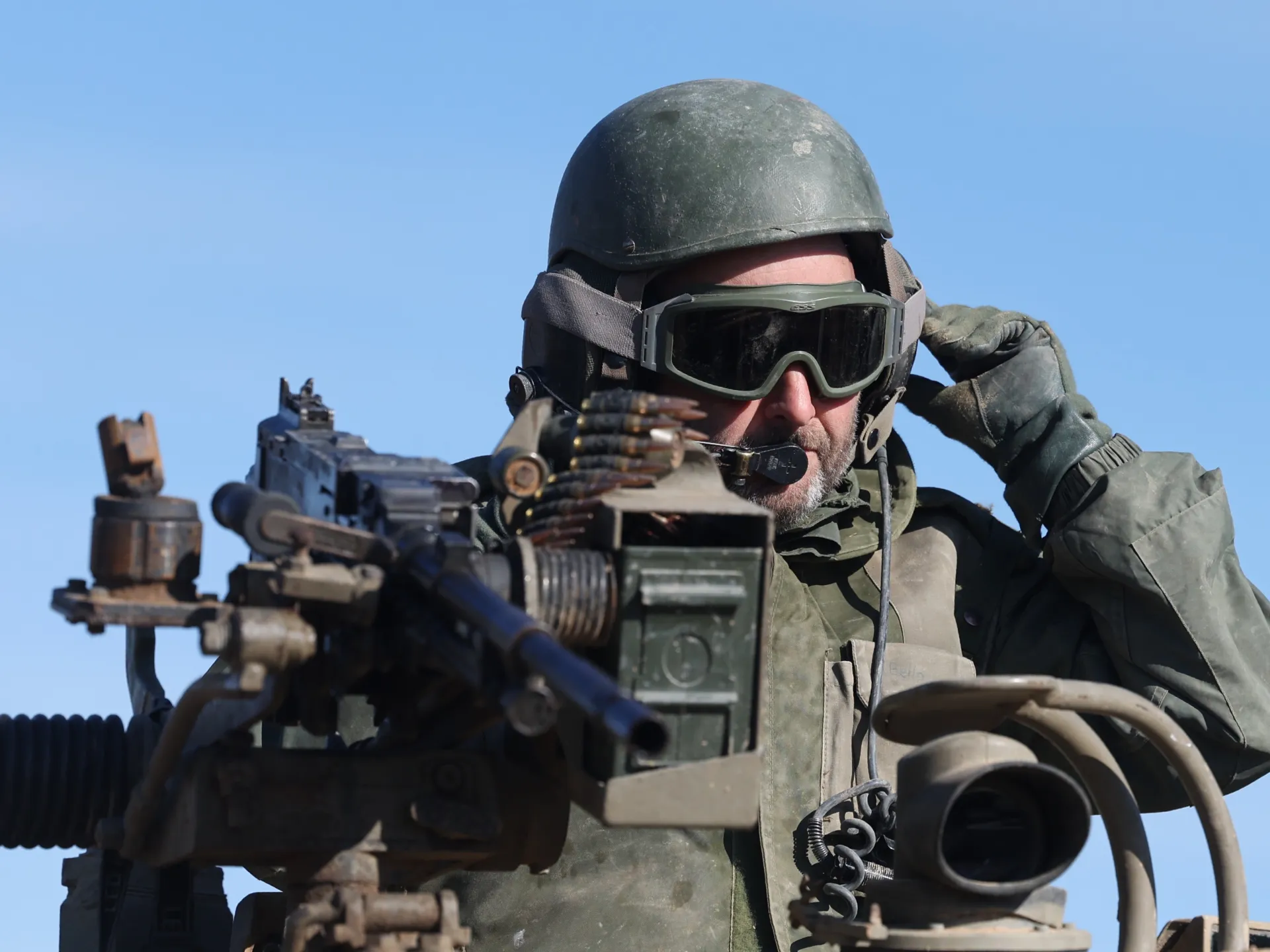
Concurrently with these diplomatic warnings, Israeli forces have significantly expanded their territorial control within the enclave. By pushing the ceasefire-established "Yellow Line" westwards and deploying additional troops from the Lebanese front, the military has regularised its occupation by bringing daily violations of the truce under a new framework. This operational shift has increased Israeli control to 59 per cent of the Gaza Strip, a move described by local observers as a method of enforcing occupation through the daily breach of the ceasefire terms.
In Cairo, mediators are applying intense pressure on Palestinian groups to accept a new framework promoted by Nikolay Mladenov, the high representative for the United States-backed Board of Peace. This proposal links humanitarian aid and the opening of crossings directly to a 281-day timeline for complete disarmament, structured in five stages. The plan, which builds on the vision of United States President Donald Trump, strictly conditions reconstruction and relief on the phased handover of weapons, effectively turning humanitarian assistance into a lever for security compliance.
A unified front comprising Hamas, Palestinian Islamic Jihad, and the Popular Front for the Liberation of Palestine has universally rejected this disarmament prerequisite. Instead, the factions insist on a political path to statehood as the primary condition for any security arrangements. Abdul Jabbar Said, a member of the Hamas political bureau, confirmed that the resistance views disarmament as inextricably linked to the ambition of establishing a Palestinian state and ending the occupation, rejecting the decoupling of weapons from political sovereignty.
The death toll continues to rise amidst the geopolitical wrangling, with local medical sources reporting 828 Palestinians killed since the ceasefire began. More recent data released on Saturday indicates that the total number of deaths since the war started has reached at least 72,608. Families in Khan Younis and Deir el-Balah remain braced for renewed violence, having pulled bodies from the rubble despite the technical existence of the truce.
Analysts suggest the threat to resume war may serve as a tactical distraction to salvage Prime Minister Netanyahu's political standing before the October elections. Furthermore, experts note that the Israeli military faces exhaustion from multifront conflicts, with reservists serving an average of 80 days a year in 2026. Opening a renewed front in Gaza while the crisis in southern Lebanon remains an open wound is viewed by some as a strategic nightmare for the Israeli establishment.