Ceasefire framework fails to halt intensified operations in Palestinian territories
Over 40 Palestinians were killed in Gaza last week alone, while municipal elections saw record-low turnout and opposition parties in Israel merged under a leadership that excludes Arab representation.
Official ceasefires agreed upon for Gaza, Lebanon and Iran have not resulted in a de-escalation of hostilities across Palestinian-administered areas. Instead, Israeli forces and settlers have intensified operations in the West Bank, Gaza and East Jerusalem, using the pause in broader conflicts to accelerate fact-making on the ground. This pattern suggests the current agreements function less as true pauses in hostilities and more as cover for expanded control.
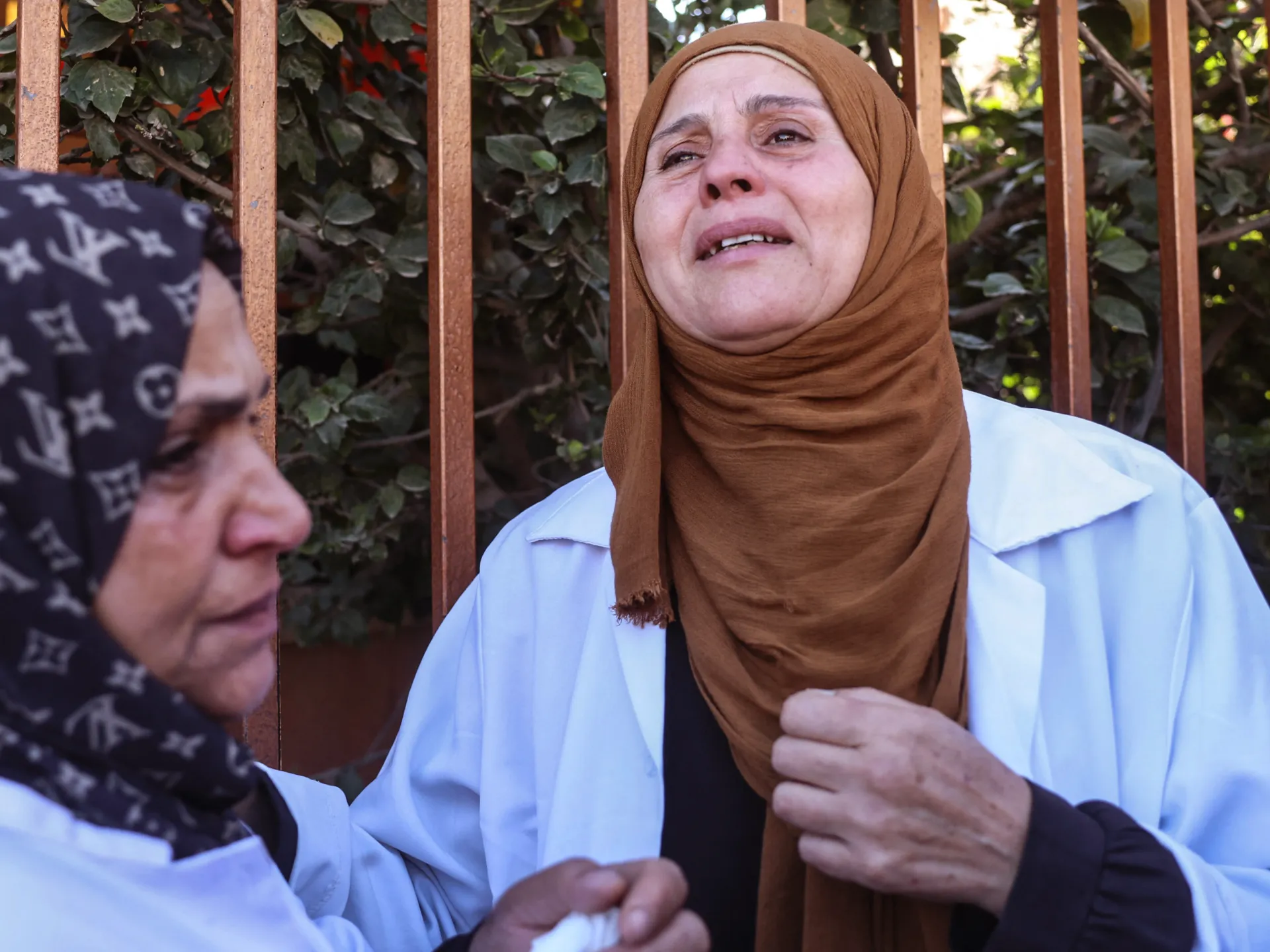
The human cost of this continued activity was starkly evident in Gaza, where over 40 Palestinians were killed between April 20 and 27. Casualties included police officers targeted in drone strikes and vehicle attacks, as well as civilians slain in airstrikes on mosques and hospitals. The Popular Committees in Gaza condemned the repeated targeting of the Palestinian police as a direct assault on citizens' security, noting that such campaigns risk dismantling the governance structures required for future reconstruction.
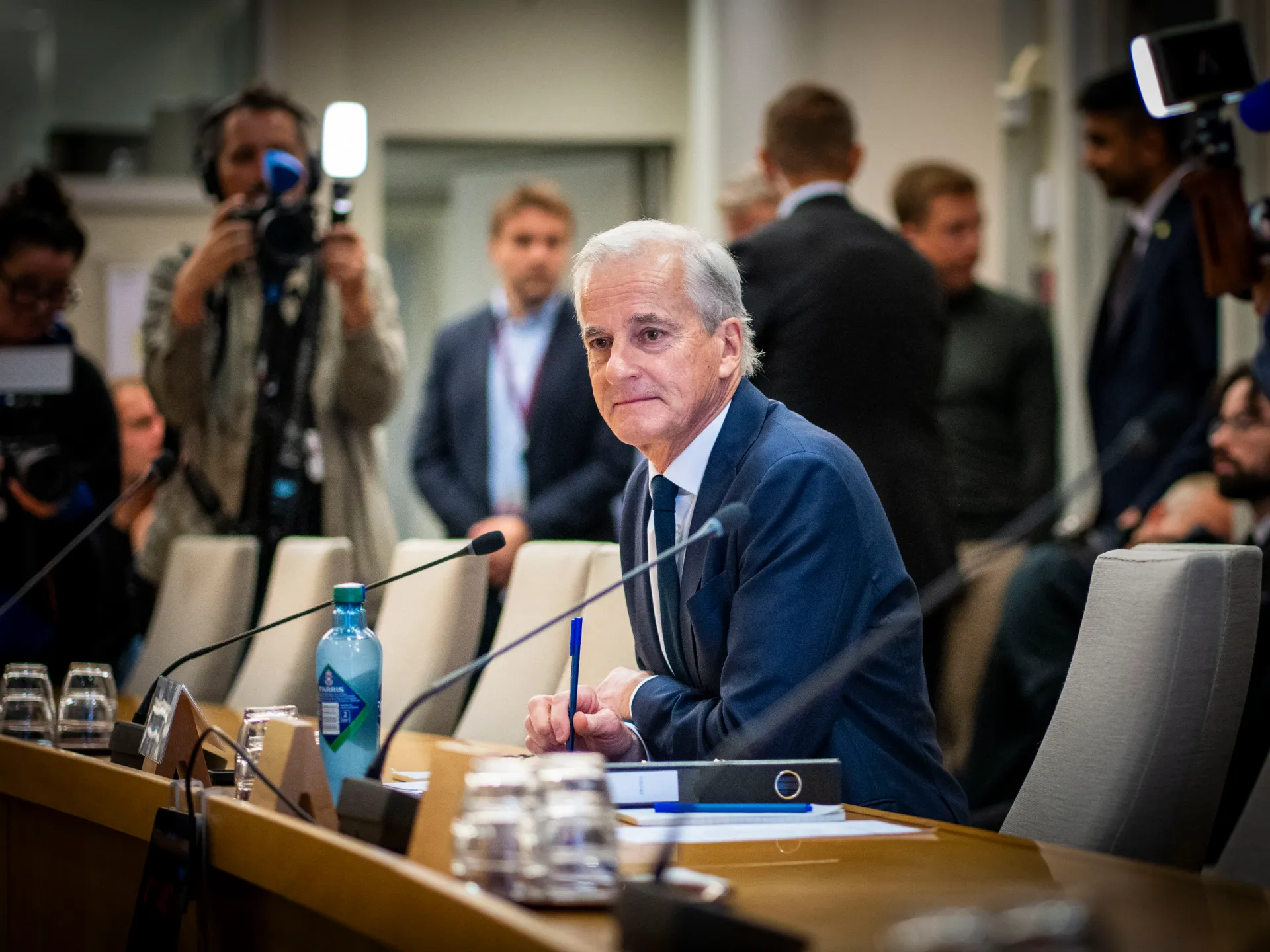
Parallel to the violence, political developments in Israel saw former Prime Ministers Naftali Bennett and Yair Lapid announce a merger of their parties under Bennett's leadership. This unification, which excludes Arab parties from future coalitions, signals a narrowing of the political spectrum regarding occupation and settlement expansion, even as the country prepares for expected elections in October.
In the West Bank, settler violence has deepened, with significant destruction occurring in the Jordan Valley. Settlers demolished a school and residential structures in Hammamat al-Maleh, fully displacing the community's last three households. The United Nations Office for the Coordination of Humanitarian Affairs (OCHA) recorded 925 movement obstacles across the territory, the highest figure in 20 years, alongside nine fully displaced Palestinian communities.
Demolitions in East Jerusalem have also accelerated, with 17 homes destroyed in Silwan's al-Bustan neighbourhood in 2026 alone. Advocates warn that the municipality is targeting all 115 homes in the area by October, a move that could displace more than 2,000 Palestinians in one of the largest waves of expulsions since 1967. The Rajabi family, among others, received final eviction notices for their apartments.
Concurrently, Gaza held its first municipal elections since 2006 in Deir el-Balah, yet turnout remained critically low at 23 percent. The commission attributed the poor participation to an outdated civil registry reflecting the scale of displacement and death, as well as a population prioritising survival over municipal administration. While aid entry via the Zikim crossing has increased since its reopening, the United Nations has recorded that the amounts remain inadequate given the high needs in the decimated strip.