Ceasefire collapses as Israel and Iran exchange direct military strikes
Iran launches missile barrage overnight while Israeli forces target military sites in Tehran, Tabriz, and Isfahan, raising fears of renewed full-scale regional war.
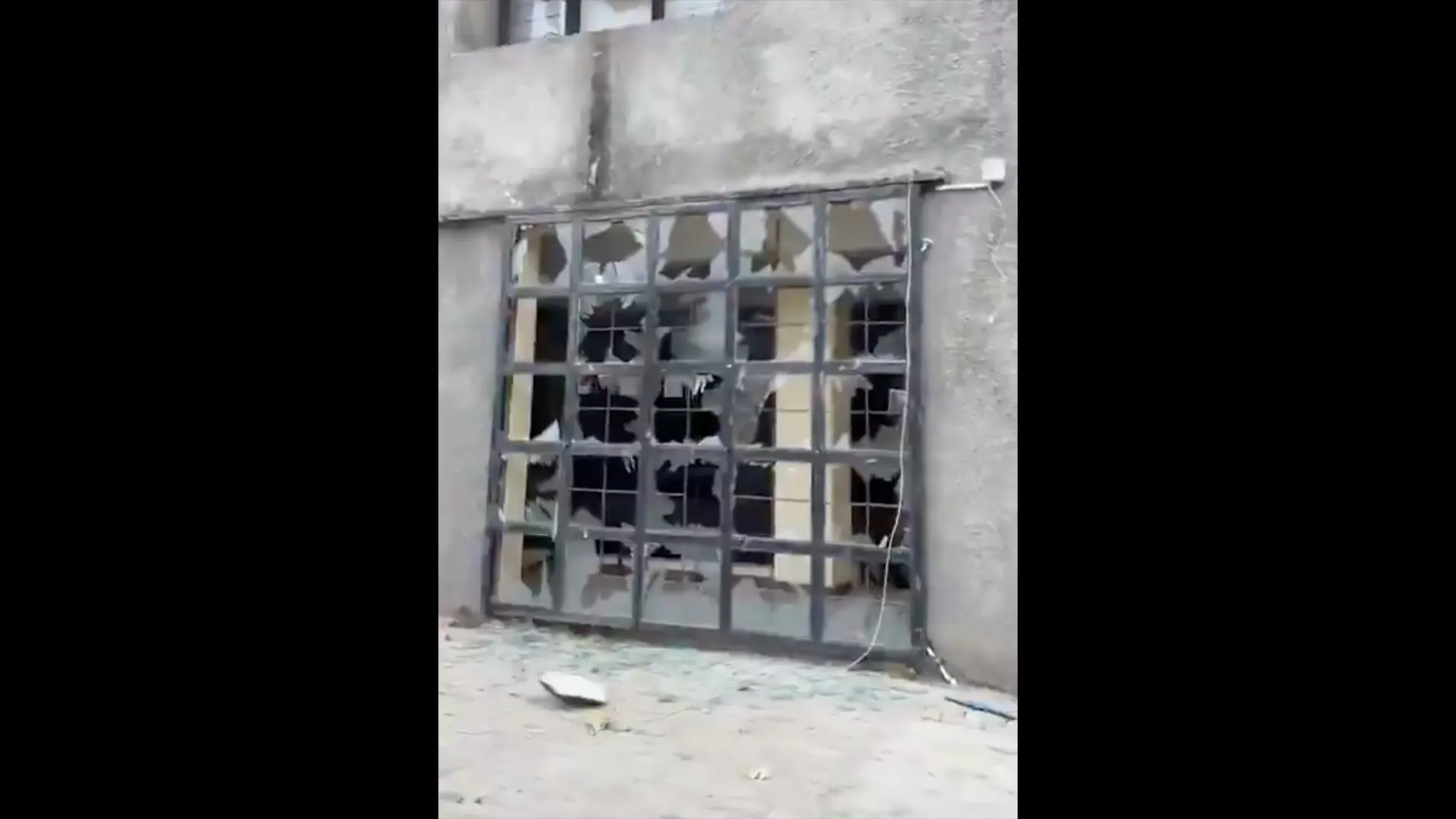
Israel and Iran engaged in their first direct military exchange since a fragile ceasefire halted five weeks of conflict, shattering the diplomatic arrangement established in early April 2026. The escalation began on Sunday when Iranian forces launched a barrage of missiles at northern Israel, an attack that Israeli officials attributed to Hezbollah positions in the southern suburbs of Beirut. In retaliation, Israeli forces struck military targets within western and central Iran, with explosions reported in the cities of Tehran, Tabriz, and Isfahan.
The hostilities occurred despite explicit calls for restraint from US President Donald Trump, who reportedly urged Israeli Prime Minister Benjamin Netanyahu not to retaliate. According to reports, Trump spoke with Netanyahu on Sunday night, instructing him to exercise caution and asserting that Washington controls the decision-making process regarding the conflict. Despite these efforts, Netanyahu appeared to disregard the American president’s guidance, proceeding with the retaliatory strikes on Monday.
The breakdown of the truce has sparked immediate concerns of a return to full-scale regional war. Negotiations between the parties and the United States were reportedly stalled at the time of the escalation, leaving little diplomatic buffer to contain the violence. The collapse of the ceasefire, which had ended a five-week period of intense fighting, marks a significant deterioration in regional security dynamics.
Prior to the missile exchanges, diplomatic efforts had been underway to address the growing tensions. Iranian Foreign Minister Abbas Araghchi held discussions with counterparts in Britain, France, Turkey, Qatar, and Pakistan on Sunday regarding ceasefire violations. Meanwhile, Iran’s Revolutionary Guards targeted the headquarters of groups described as "terrorist" in Sulaymaniyah, Iraqi Kurdistan, further complicating the security landscape in the region.
The current hostilities follow a series of escalating incidents, including an Israeli attack on Beirut’s southern suburbs in late May 2026 that resulted in two deaths and 20 injuries. The recurrence of direct military engagement between Israel and Iran underscores the fragility of the recent diplomatic arrangements and the potential for broader conflict in the Middle East.