Cavaliers cling to 'process' metrics as Knicks extend Eastern Conference Finals lead
Head coach Kenny Atkinson and forward Dean Wade defend shot quality data despite a 109-93 loss in Game 2, while acknowledging the need for tactical shifts against the New York Knicks.
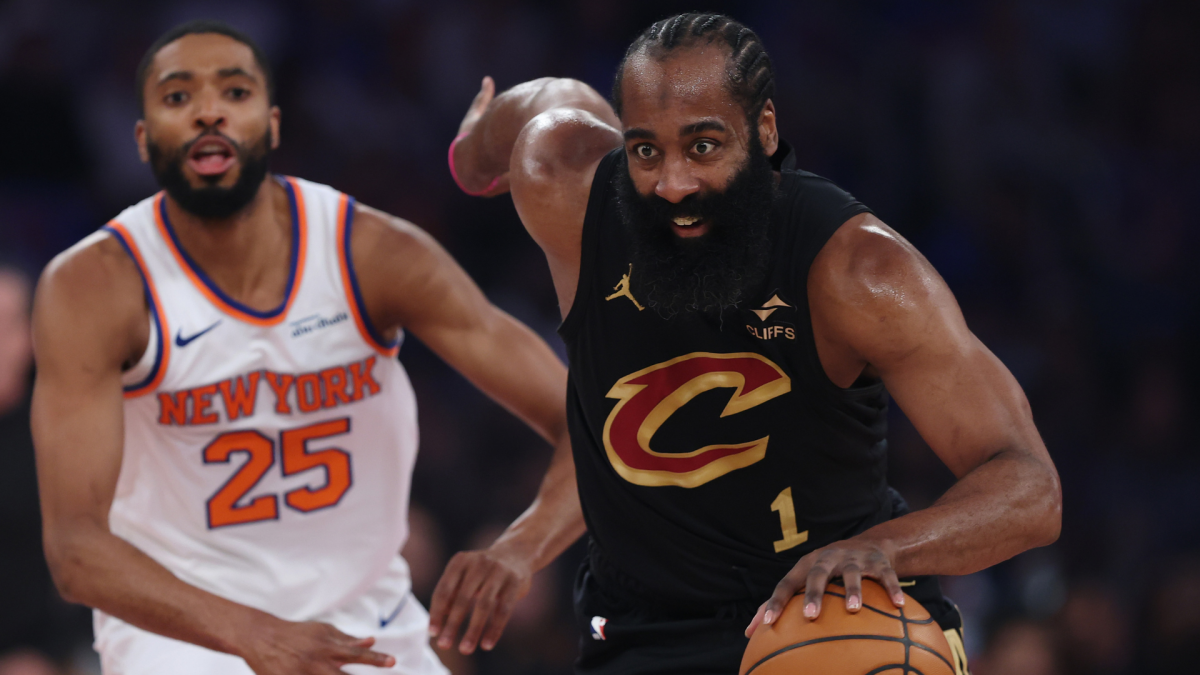
The Cleveland Cavaliers find themselves trailing the New York Knicks 2-0 in the Eastern Conference Finals following a 109-93 defeat in Game 2. The loss was marked by significant offensive inefficiency, with Cleveland shooting just 25.7 per cent from three-point range. This included a poor conversion rate on open looks, where the team shot 2 for 12 with the closest defender between four and six feet away, and 6 for 19 on wide-open attempts.
Despite the deficit, Cavaliers personnel have maintained a steadfast belief in their strategic framework. Forward Dean Wade stated after the series opener that he believed their process was correct, a sentiment echoed by head coach Kenny Atkinson. Atkinson noted that internal data indicated the Knicks were in the first percentile of shot quality, suggesting that Cleveland’s performance issues were statistical anomalies rather than fundamental tactical failures.
The narrative surrounding the series has been amplified by New York’s branding. A Nike advertisement featuring Knicks star Jalen Brunson and the phrase "Too Much to Process," originally used to taunt the Philadelphia 76ers, now serves as a pointed reminder of Cleveland’s standing. The phrase highlights the psychological pressure on the Cavaliers, who must now overcome a two-game hole against a team that swept the Sixers in the previous round.
Atkinson has acknowledged the limitations of relying solely on analytics, admitting there is a point where numbers must yield to in-game adjustments. He emphasised the need for the team to attack the rim more effectively, generate free throws, and drive downhill in transition. This approach mirrors strategies employed by other successful franchises, such as the Oklahoma City Thunder under coach Mark Daigneault, who prioritises manufacturing offence through paint touches and offensive rebounding over jump-shot reliance.
Cavaliers guard Josh Hart offered a pragmatic view on the role of data, comparing analytics to a lamppost for a drunk person: useful for leaning on, but insufficient for getting home. While Cleveland has shot 37.6 per cent from behind the arc at home in the playoffs and possesses elite shooters like Sam Merrill and Max Strus, the team recognises that high-variance shots require insulation from other aspects of the game. The focus now shifts to reducing errors and finding rhythm, as falling behind 3-0 would likely render discussions of shot quality irrelevant.