Canada’s counter-tariffs deepen trade standoff with US
Tariffs on nearly C$28 billion of US goods have taken effect as negotiations remain stalled and businesses prepare for a prolonged dispute.
Canada’s retaliatory tariffs on nearly C$28 billion of US goods took effect on Tuesday, intensifying a trade dispute with its largest trading partner. The measures cover hundreds of products, including steel, furniture and clothing, with rates of up to 50 per cent.
The tariffs are in addition to existing Canadian taxes on some US vehicles. Washington has imposed tariffs on Canadian cars and trucks, as well as steel, aluminium, lumber and other goods.
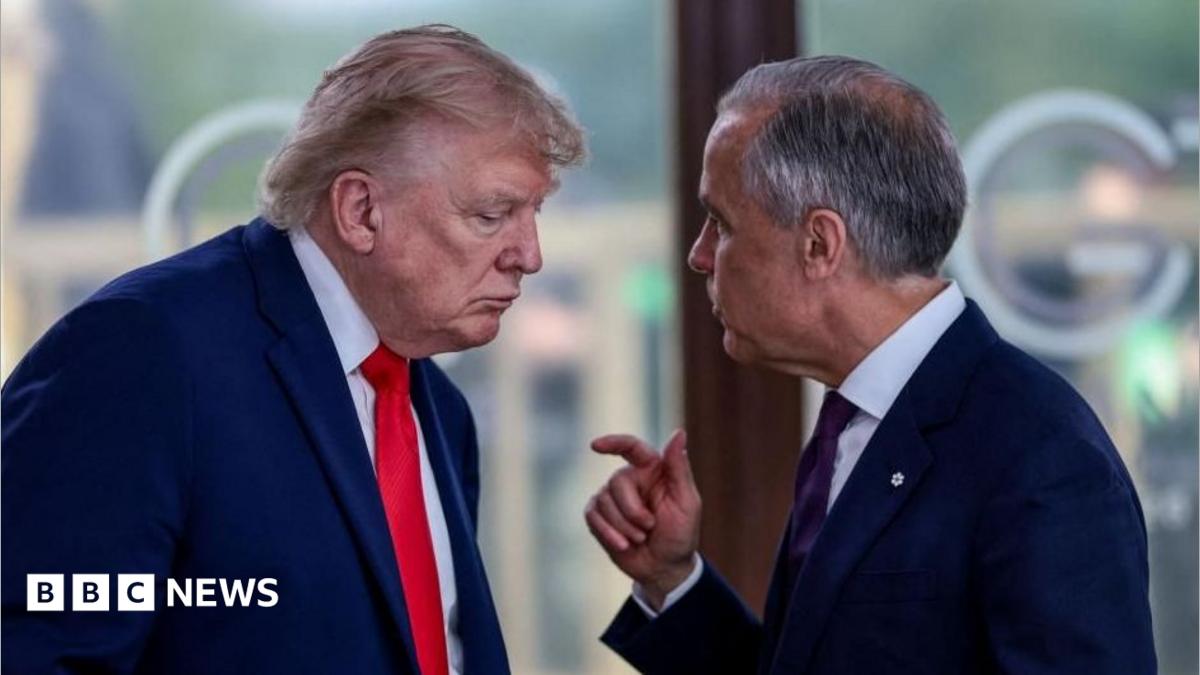
Trade talks collapsed in late August, with no progress reported towards their resumption. Prime Minister Mark Carney has said Canada remains willing to reach a durable agreement, while US Trade Representative Jamieson Greer said the next move rests with Canada.
Canada removed fresh fish and lobster from the tariff list after pressure from its seafood industry, highlighting the domestic economic trade-offs involved in retaliation. The Canadian Chamber of Commerce has urged the government to take a targeted approach, while businesses prepare for the dispute to last.
Economists have warned that the tariffs could raise prices for consumers, including on clothing, food and furniture. The duration and broader economic impact of the standoff remain uncertain, as does the possibility of further US retaliation.
The bilateral trading relationship was valued at nearly $900 billion in 2025. Canada is seeking to reduce its reliance on the US, with the US share of Canadian exports falling to 66 per cent in July from an earlier average of 75 per cent.