Canada’s buy-local drive faces test as trade war threatens higher prices
Canada’s campaign to favour domestic goods remains strong, but higher input costs and possible price rises could test how much consumers are willing to pay.
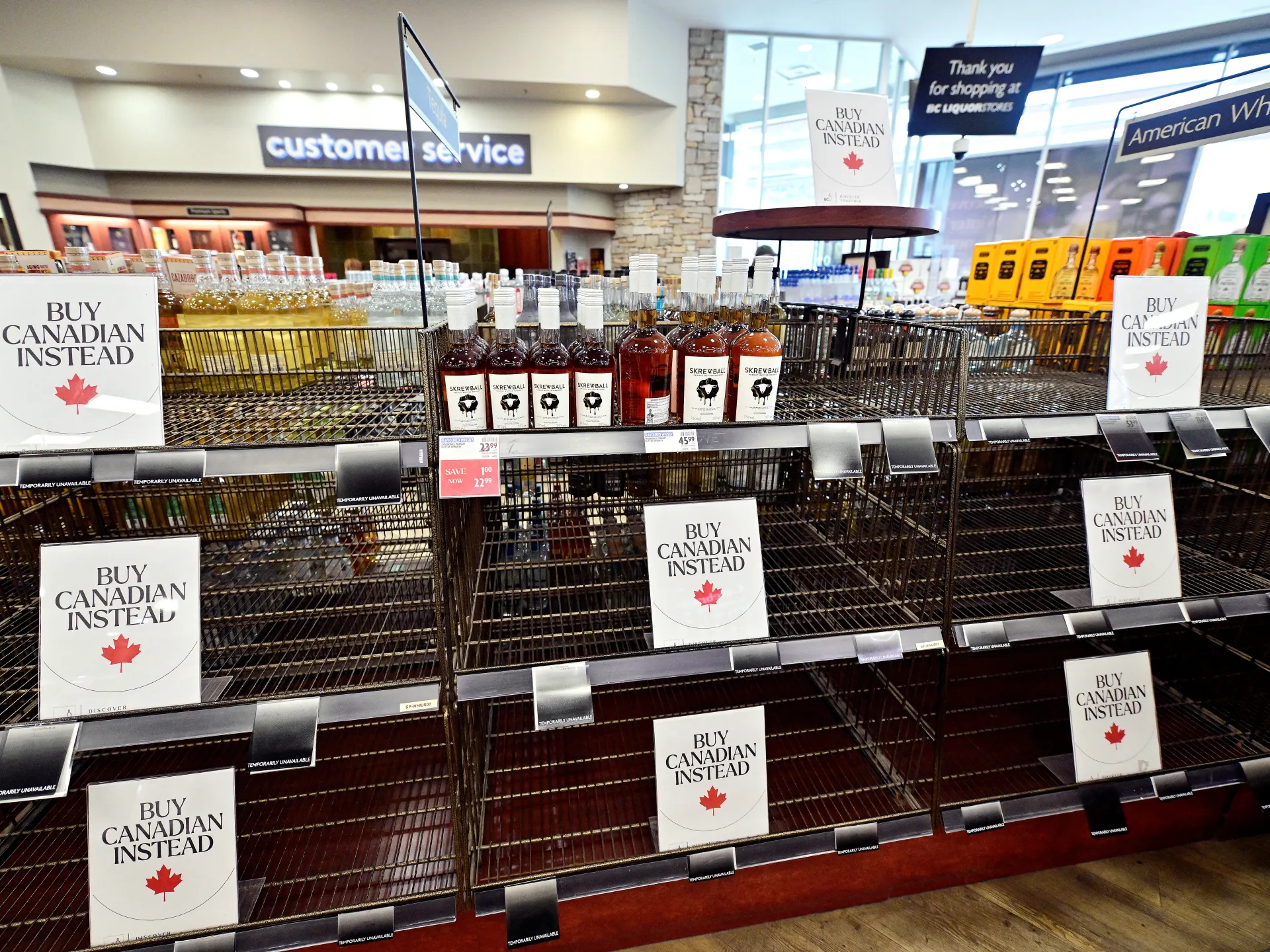
Canada’s buy-local movement is holding firm as an escalating trade dispute with the United States raises the prospect of higher prices, pressure on businesses and uncertainty for households.
The United States’ tariffs on Canadian products took effect on 22 August. Canada then imposed retaliatory tariffs of 15 to 50 per cent on about C$20 billion of US imports, including steel, aluminium, dairy, appliances, clothing and cosmetics.
Al Jazeera reported that the direct effect on shoppers may initially be limited. Oxford Economics estimates the new measures directly affect 0.25 per cent of the average consumer basket, with many targeted goods used by businesses rather than purchased directly by households.
The impact could spread indirectly. Tariffs on packaging materials such as metal cans, glass containers and plastic films may raise food prices even where finished food products are exempt. Retailers may also delay increases while selling stock purchased before the tariffs took effect.
Oxford Economics estimates businesses will bear at least half of the counter-tariff cost, while households may absorb about 20 per cent through higher prices. Retail analyst Bruce Winder warned that retailers may have limited capacity to absorb the costs if tariffs of 25 or 50 per cent remain in place, with potential employment effects adding to public anxiety.
Consumer support for Canadian products remains substantial but may weaken as prices rise. A Narrative Research study found 76 per cent of respondents preferred a C$120 Canadian grocery basket to a cheaper C$100 US-sourced basket. Support fell to 70 per cent when the Canadian basket cost C$140, suggesting the trade war’s longer-term test will be whether household budgets can sustain the premium.