Canada’s Bill C-39 puts strike intervention powers under scrutiny
Unions say proposed conditions for federal intervention could weaken workers’ bargaining leverage. Ottawa says the bill adds safeguards to powers already held under the Canada Labour Code.
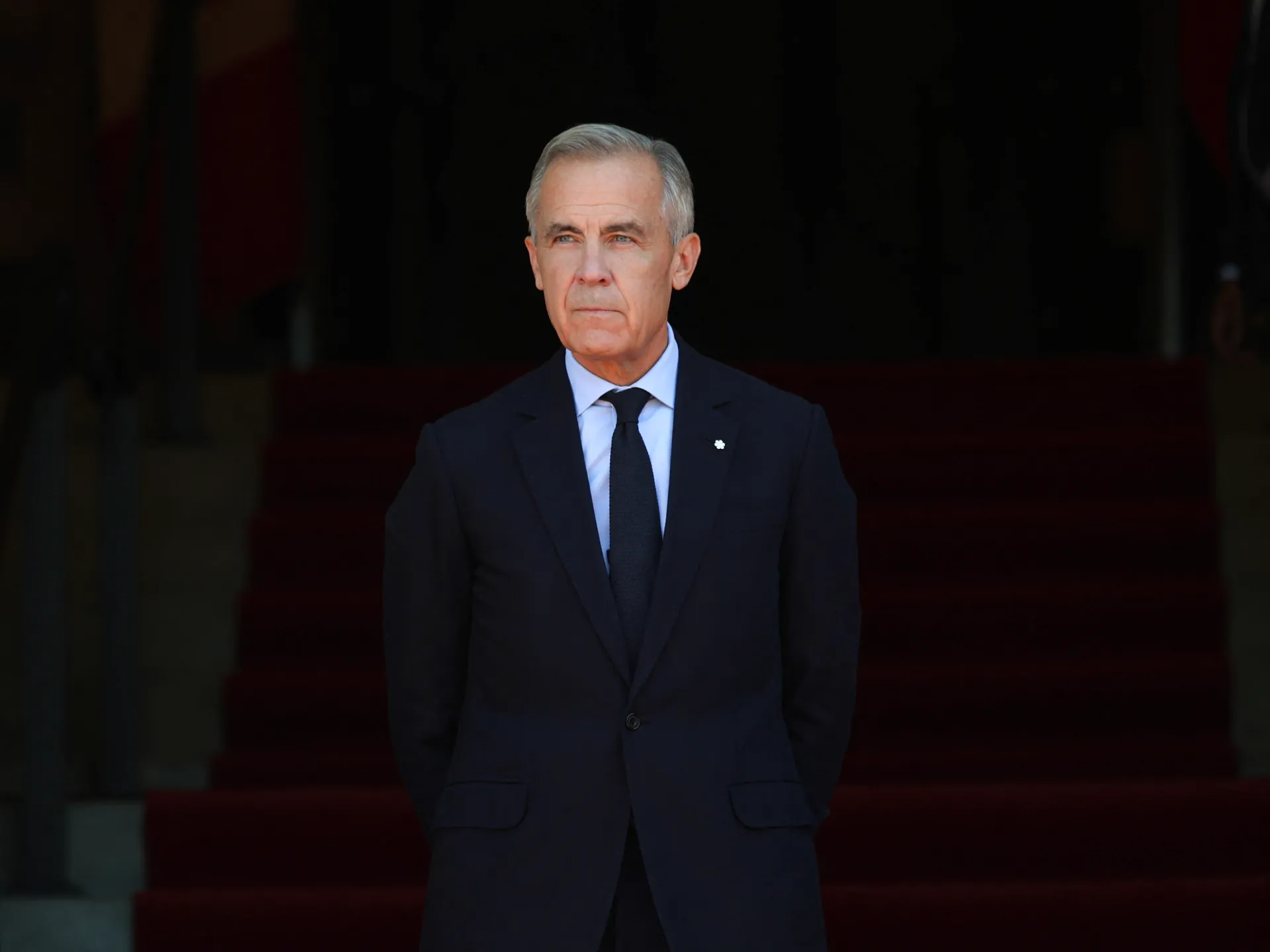
Canadian unions are opposing proposed changes to federal labour law in Bill C-39, arguing that clearer government powers to intervene in strikes could weaken workers’ ability to bargain. The bill, announced by Prime Minister Mark Carney last month, is part of a broader package aimed at speeding major projects and attracting investment.
Section 107 of the Canada Labour Code already allows the labour minister to intervene in federally regulated disputes and direct binding processes, including arbitration. Al Jazeera reports Ottawa used the provision eight times from 2024 onward, including in disputes involving airlines, railways, ports and Canada Post, and during the 2025 Air Canada flight attendants’ strike.
Bill C-39 would require the government to appoint a special mediator, wait for a public report and consider whether a stoppage harms the “national interest” before using Section 107. If a strike or lockout is under way, the minister could direct the Canada Industrial Relations Board to resume operations and impose a binding process.
The government says these conditions add guardrails to existing powers. Carney has said the bill “absolutely reinforces the right to strike”, according to the Canadian Broadcasting Corporation. Unions counter that the bill leaves the meaning of “national interest” to the minister and could influence bargaining even before intervention occurs.
The Canadian Union of Public Employees’ national executive voted to defy the proposed limits if the bill passes without amendments. Teamsters Canada has also alleged employers expected Ottawa to intervene in the 2024 rail disputes; Air Canada disputed CUPE’s account that the airline expected government intervention during the 2025 strike.
The dispute has widened into a debate over workers’ influence in Carney’s economic agenda. Economist Jim Stanford told Al Jazeera that strikes can impose costs on individual companies but rarely have a sustained effect on national output, employment or incomes. The source reports Bill C-39 as proposed and does not establish whether it has passed Parliament.