Cameroon civil society steps in as gender-based violence claims eight lives in August
Local associations are providing legal and psychological support to victims as the Ministry of Women's Empowerment and the Family logs approximately 60 cases since the start of the year.
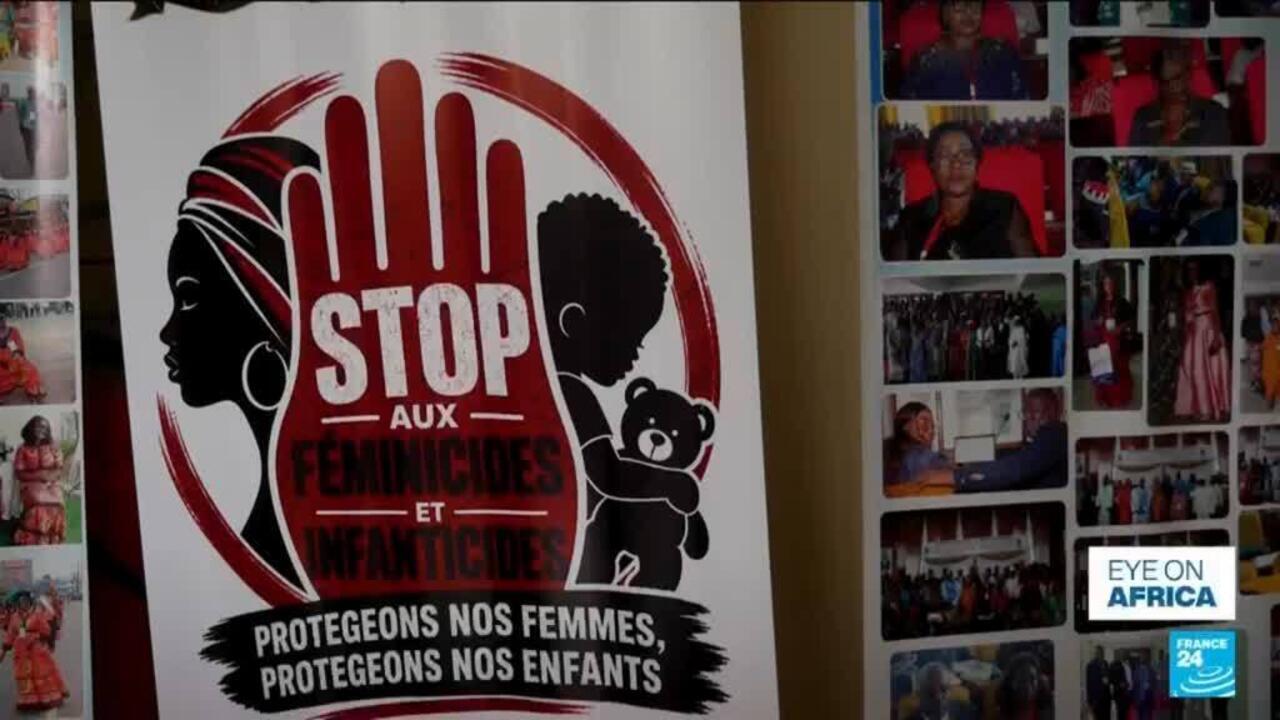
Civil society groups in Cameroon have intensified their mobilisation to address the growing crisis of gender-based violence, offering direct legal and psychological assistance to affected families. This grassroots response comes in the wake of a particularly tragic August 2026, during which eight cases of femicide were recorded within a single eight-day period.
The surge in fatal incidents has added to a broader tally of gender-based violence cases logged by the Ministry of Women's Empowerment and the Family. According to the ministry, approximately 60 such cases have been recorded since the beginning of the year, highlighting a persistent pattern of violence against women across the country.
The mobilisation by local associations is driven by the need to fill a significant gap in the national justice system. In Cameroon, complaints of domestic violence rarely lead to a conviction, leaving many victims without the recourse of the courts. Consequently, these groups are stepping in to provide the support structures that the formal legal framework often fails to deliver.
The intervention focuses on immediate support for families, combining legal guidance with psychological care to help victims navigate both the personal and bureaucratic consequences of violence. By operating on the ground, these civil society organisations aim to offer a more accessible form of justice and support than the state system currently provides.
Reporting from Yaoundé, journalists Indira Ayuk, Richard, and Giresse Ngaana documented the efforts of these associations. Their coverage underscores the critical role that non-governmental entities are playing in a sector where institutional response has been perceived as insufficient.
The situation reflects a broader challenge in governance, where the distance between policy and practice leaves citizens to rely on community-led initiatives for basic protection. As the number of logged cases continues to rise, the capacity of these civil society groups to sustain their support remains a key factor in the ongoing struggle for gender equality.