Cambridge study reveals ISIL affiliates are using Big Tech AI to build bombs and plan attacks
Research indicates dedicated units within Boko Haram factions are bypassing industry safeguards to exploit commercial chatbots for tactical advantage, raising questions about the pace of AI regulation.
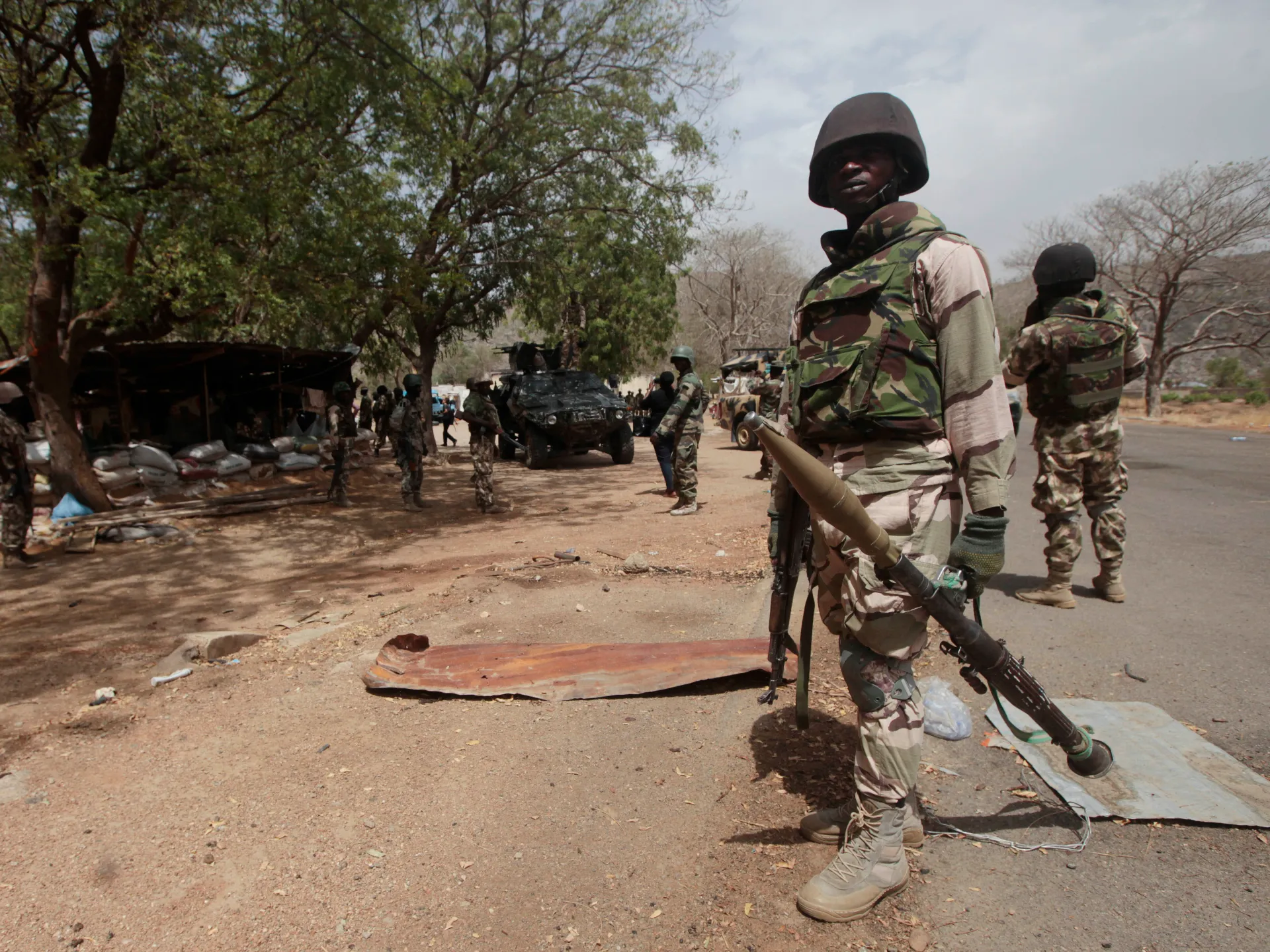
New research from the University of Cambridge, released in conjunction with Al Jazeera, suggests that Boko Haram factions have moved beyond ad hoc use of digital tools to establish dedicated units for artificial intelligence. The study, based on interviews with 27 former members of the ISIL affiliate in West Africa Province (ISWAP) and Jama’at Ahl as-Sunnah lid-Da’wah wa’l-Jihad (JAS), details how operatives are using major commercial chatbots to construct explosives, analyse combat footage, and solve tactical problems.
According to the findings, fighters were trained by the wider ISIL movement to bypass safety safeguards on platforms including ChatGPT, Claude, Gemini, Grok, Meta AI, and DeepSeek. Former commanders described being assembled in rooms with laptops and projectors to learn how to query these systems. One former JAS commander detailed a specialised unit of 23 people operating from a solar-powered room, where members analysed information and trained senior commanders. The Cambridge research indicates that these units were staffed by individuals with specialist operational knowledge, including engineers and weapons specialists.
The study highlights that the AI was used to tailor explosives using limited available materials and to recover explosive material from unexploded military ordnance. Antonia Juelich, who authored the Cambridge study, noted that the ability of the chatbots to respond to specific, immediate problems gave fighters something closer to a technical expert available around the clock. In one instance, commanders consulted the AI to learn how to operate newly acquired firearms, while in another, fighters used the technology to develop techniques for jumping trenches on motorcycles.
Exclusive material obtained by Al Jazeera from the group Tech Against Terrorism shows that pro-ISIL supporters are sharing instructions on how to "jailbreak" AI systems to access weapons-related data. Researchers who infiltrated a pro-ISIL technical forum found users discussing how to circumvent safety restrictions, with one comparing the process to removing a car's speed limiter. Lucas Webber of Tech Against Terrorism described this as the "tip of the iceberg" regarding how armed groups are exploiting these tools.
The findings arrive as the governance of AI technology remains a point of contention. While Anthropic chief executive Dario Amodei has urged companies to slow the development of advanced models to allow safety checks to catch up, the administration of US President Donald Trump has advocated for a "minimally burdensome" national framework. Major AI companies, including OpenAI, Anthropic, and xAI, have existing safeguards and prohibitions against the use of their systems for terrorism or weapons development, yet the Cambridge interviews suggest these controls are being effectively bypassed.
Juelich noted that the interviews primarily describe AI usage during 2023 and 2024, a period when the technology was less advanced than it is today. She expressed concern about what the same fighters might now be capable of achieving with the more advanced AI systems available in 2026, highlighting a growing gap between the rapid advancement of the technology and the industry's ability to regulate it.