Cambridge report details Boko Haram’s operational shift to AI-driven tactics
A new study from Cambridge University reveals how Nigerian insurgents have utilised artificial intelligence since 2023 to enhance their military effectiveness, moving beyond propaganda to direct operational support.
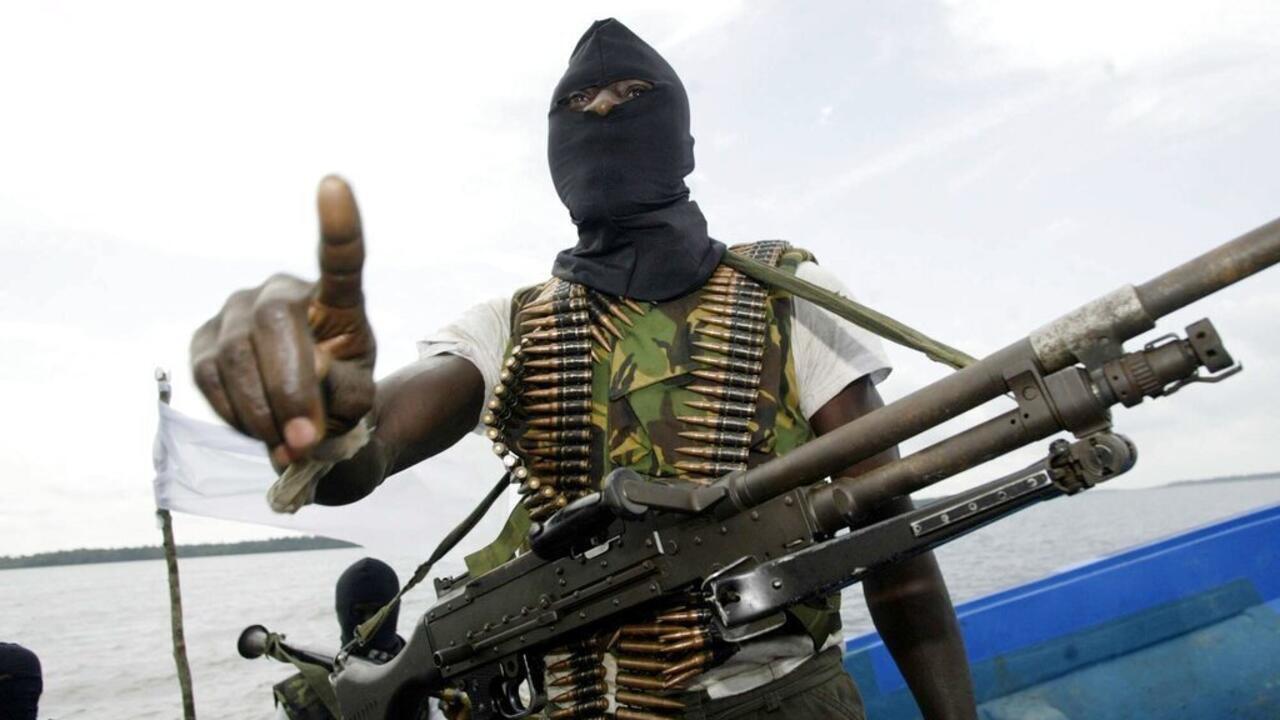
A report published by Cambridge University on Friday has detailed how the Nigerian jihadist group Boko Haram has integrated artificial intelligence into its operational framework since 2023. The findings, derived from in-depth interviews with more than 20 former members of Boko Haram and its affiliate, the Islamic State West Africa Province (ISWAP), indicate that the group has moved beyond using technology for propaganda to employing it as a direct tactical asset.
According to the research, led by technology and terrorism specialist Antonia Juelich, the group established dedicated AI units to assist fighters in planning raids, improving explosives delivery via drones, and adapting tactics against government forces. These units utilised subscriptions to models including ChatGPT, Claude, Grok, and the Chinese chatbot DeepSeek to respond to specific requests from combatants in the field.
The report highlights that instructors from Iraq, Afghanistan, and North Africa taught fighters "prompt engineering" techniques. This training focused on structuring requests to Large Language Models to elicit precise responses and employing "jailbreaking" methods to bypass ethical safeguards programmed by AI companies. One former member noted the group’s confidence in these tools, stating, "Generally, it is quite hard to get people to talk to you about this... We believe it knows everything."
Experts describe this integration of AI as a "force multiplier" that increases the efficiency and effectiveness of terrorist strategies. Graig Klein, a specialist in international terrorism at Leiden University, noted that while the technology is unlikely to create entirely new types of weapons, it significantly enhances existing capabilities. The group used AI to optimise troop deployment, shifting from sending large, vulnerable groups of 200 fighters to smaller, coordinated units of 20, thereby reducing casualties and improving attack coordination.
The study also revealed concrete tactical adaptations driven by AI. When Nigerian government forces began digging trenches around their bases to counter motorcycle-borne assaults, chatbots provided instructions on how mounted combatants could jump over these obstacles. Klein emphasised that this allows groups to conduct trial and error virtually, processing information and adjusting strategies much faster than through traditional methods.
Juelich and Klein warned that these techniques are likely part of a broader upskilling programme pushed by the broader Islamic State group, suggesting that other terrorist factions globally may be adopting similar AI-driven tactics. They cautioned that current safeguards by AI providers are easily worn down over time through specific prompting techniques, posing a significant risk to global security as these tools become more accessible.