Beyond the Pitch: Grassroots Initiative Targets Gender Violence Amidst World Cup
The documentary 'Mexico: Football Without Fear' highlights how Cancha Violeta is addressing cartel activity and gender-based harm on the outskirts of Mexico City, parallel to the professional matches at the Estadio Azteca.
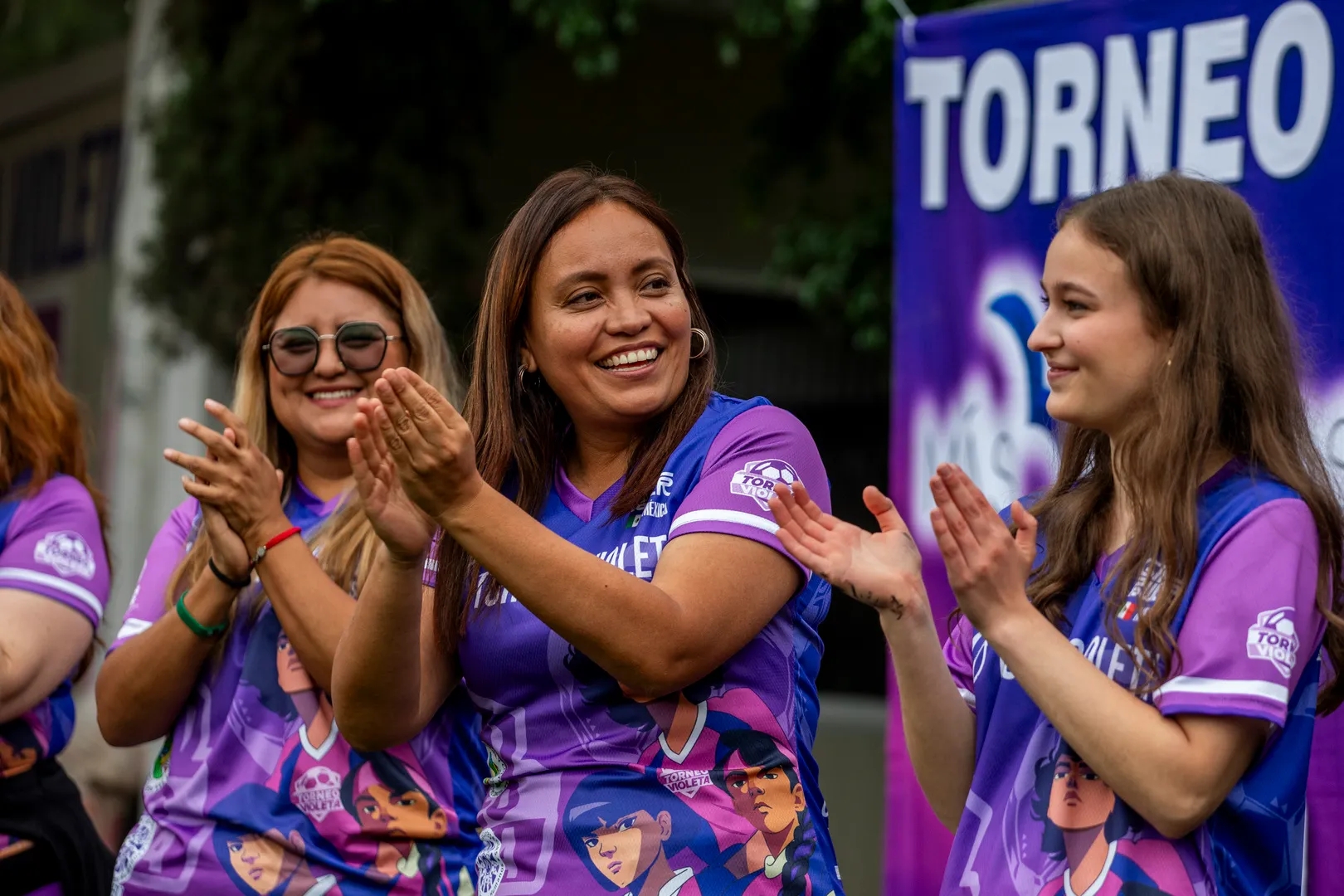
As Mexico co-hosts the 2026 FIFA World Cup, the national spotlight is firmly fixed on the professional stage, where the tournament commenced on 11 June 2026 with a 2-0 victory over South Africa at the Estadio Azteca. While Julian Quinones scored the opening goal in the ninth minute and Raul Jimenez added a second later, the broader narrative of the event extends beyond the pitch. In the outskirts of Mexico City, lawyer Nallely Arenas is leveraging her legal background to address deep-seated social issues through a grassroots initiative focused on safety and community resilience.
Arenas is the co-founder of Cancha Violeta, an organisation designed to provide safe spaces for young people affected by gender violence and cartel activity. The documentary film 'Mexico: Football Without Fear', directed by Elpida Nikou and Rodrigo Hernandez, details how Arenas is transforming her years of legal struggle into direct grassroots action. The initiative operates in areas characterised by significant security challenges, aiming to protect vulnerable youth from the realities of gender-based harm and organised crime.
The programme offers a distinct alternative to the high-stakes environment of the professional World Cup. While the national team navigated a contentious opening match that saw South Africa reduced to nine men after red cards for Sphephelo Sithole and Themba Zwane, and Mexico’s Cesar Montes also sent off, Arenas is focused on a different kind of competition. Her efforts are centred on creating stability and opportunity for children who do not have the same safety nets as those in the professional arena.
Central to this community effort is Arenas’ daughter, Karol, who trains with the Cancha Violeta team. Karol is currently preparing with the aspiration of being selected to compete in the upcoming Street Child World Cup. This goal underscores the dual purpose of the organisation: providing immediate protection from local threats while fostering long-term aspirations for young participants. The documentary highlights Arenas’ determination to challenge the systemic issues of gender violence that women and girls face in the region.
The story presented in 'Mexico: Football Without Fear' runs parallel to the official tournament timeline, which began with Mexico’s victory on 11 June 2026. As the professional matches continue, the work of Cancha Violeta illustrates the ongoing social responsibilities that accompany hosting such a major global event. The film, by Nikou and Hernandez, documents how local actors are using football as a tool for social intervention in communities where state protection may be limited.