Cambridge professor Jason Arday found dead amid plagiarism controversy
Tributes have poured in from political leaders and colleagues as the University of Cambridge and the UK government mourn the death of Jason Arday, whose resignation last week followed a row over academic integrity.
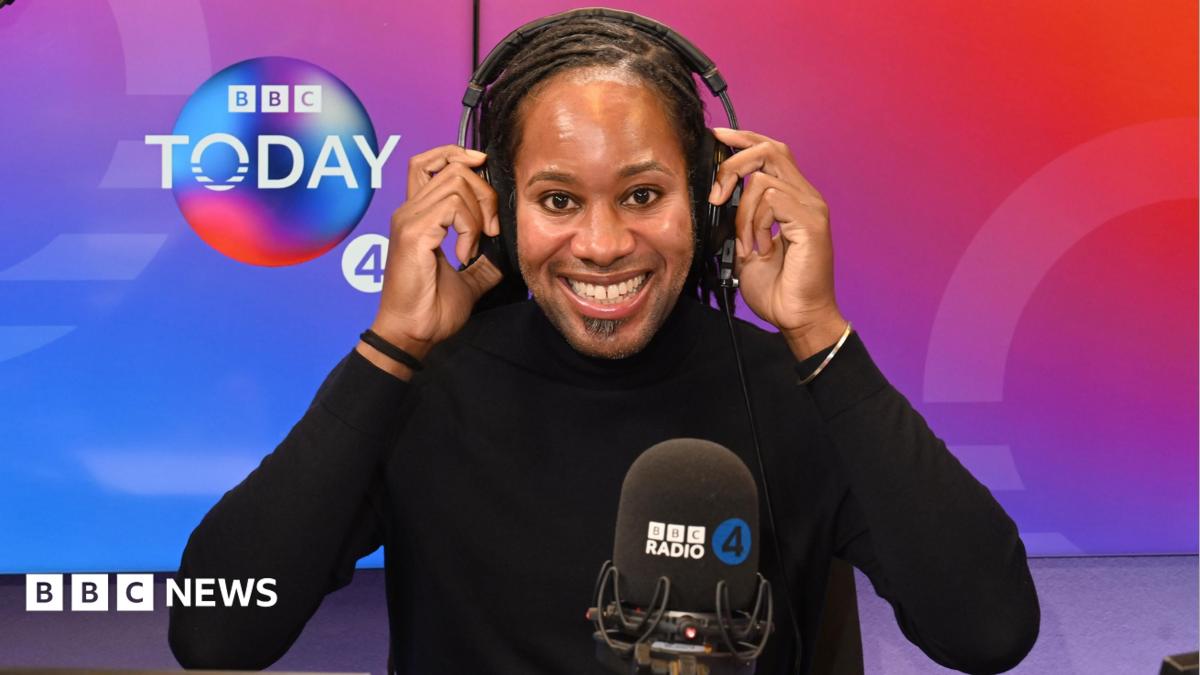
Tributes have been paid to Jason Arday, the former University of Cambridge professor of sociology of education, after he was found dead at an address in Battersea, south London, on Friday afternoon. The Metropolitan Police confirmed the death is being treated as unexpected but is not believed to be suspicious.
Arday, 41, had resigned from his post last week following allegations of plagiarism and questions regarding his academic achievements, claims which he denied. In a statement issued by his publisher, Simon & Schuster UK, his family said they were "in shock to have lost this amazing father, partner, brother, uncle and son" and added that a "campaign of misinformation" had been too much for him.
The University of Cambridge vice-chancellor, Professor Deborah Prentice, led the tributes from the institution, saying the faculty was "desperately saddened" to learn of his death. "Our heartfelt sympathies go to Jason Arday's family and friends at this incredibly difficult time," she said.
Education Secretary Lucy Powell said she was "deeply shocked and saddened" to hear about the death and urged people to "remember there are real people with loved ones involved". Mayor of London Sir Sadiq Khan described Arday as a victim of "an unacceptable public hounding and campaign of abuse", adding that he was subjected to "a pernicious public shaming that other people in his position simply wouldn't have faced".
Professor Simon Baron-Cohen, director of the Autism Research Centre at Cambridge, said he spoke to Arday on the morning of his death. Baron-Cohen noted that Arday felt unable to leave his house and had experienced what he described as a "campaign against him" for the last three years. "The personal attacks on him have been so immense," he told BBC News, noting he had received numerous requests to comment on Arday's life in recent weeks.
Former colleague Professor Kehinde Andrews described Arday as "very down" and having lost a significant amount of weight in the weeks following his resignation. "He was very upset. He felt that there was no way out. He effectively wasn't leaving the house," Andrews said, adding that the situation served as a "wake up call to just how bad black academics actually have it in academia".
The controversy began after Nathan Cofnas, a former Cambridge academic sacked in 2024, identified numerous instances of plagiarism in Arday’s work. Liverpool John Moores University, which awarded Arday his PhD in 2015, concluded that he had not plagiarised work. Arday had admitted to errors in his early academic work, attributing them to his autism and his reliance on mimicry to make sense of information.
Labour MP Bell Ribeiro-Addy told BBC Newsnight that the idea that an academic would be dragged through such media scrutiny was "unheard of". Shadow communities secretary Sir James Cleverly said he was angered by the "tragic" death and stated that "a number of people at a number of academic institutions have serious questions to answer".
Arday had previously stated that his resignation should not be mistaken for an acceptance of the narratives surrounding him. He said the "personal cost" of the scrutiny had become "too great" and that the relentless accusations had taken a profound toll on him and his loved ones. Cambridge University announced an independent investigation into his appointment earlier this week.